
Bhutan's Sustainable Tourism Model Reshapes Global Adventure Travel
Bhutan pioneers a High Value, Low Volume tourism strategy that protects Himalayan ecosystems while attracting conscious travelers worldwide. The $100 daily fee funds healthcare, education, and conservation.

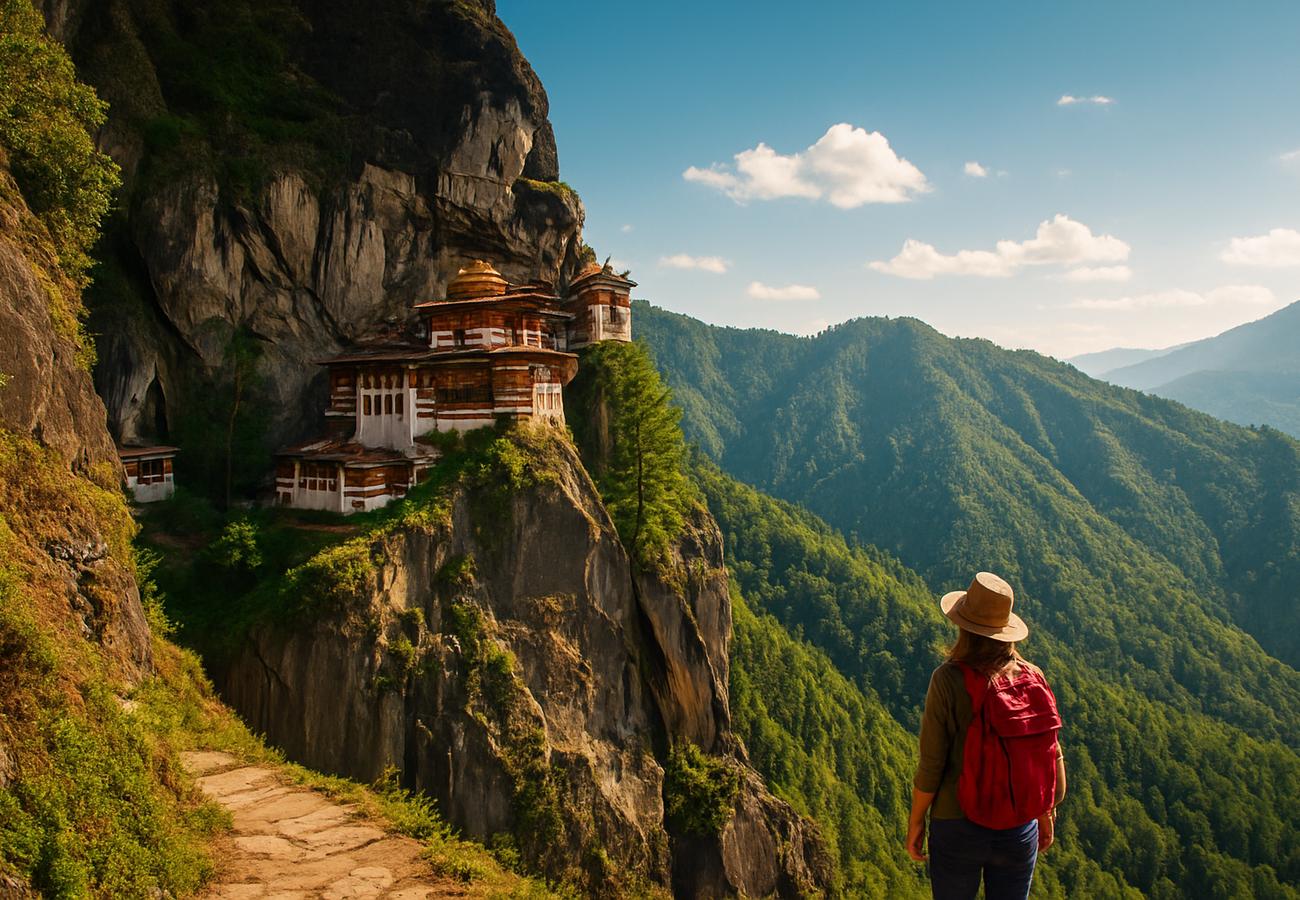
Image generated by AI
A Quiet Revolution in How the World Travels
The global travel industry is witnessing a seismic shift. After decades of chasing volume over value, destinations worldwide are watching Bhutan execute what may be the most deliberately protective tourism strategy on Earth. This isolated kingdom in the Eastern Himalayas isn't just preserving its heritage—it's rewriting the entire playbook for how conscious travelers interact with vulnerable ecosystems.
Unlike competitors frantically opening new airports and constructing resort chains, Bhutan chose a radically different path. The nation actively avoids commercialization's destructive trap. While over-tourism ravages Iceland's moss-covered valleys and Venice's ancient streets, this Himalayan sanctuary remains intentional about every visitor who crosses its borders.
Reddit: "Bhutan feels like stepping into a different century. Every rupee you spend actually goes to healthcare and schools, not multinational hotel chains." — r/travel
The $100 Daily Fee That Changed Everything
Here's where Bhutan's model becomes genuinely disruptive: the mandatory Sustainable Development Fee of $100 per day.
This isn't a hidden tax or resort surcharge. It's transparency built into the economic framework. Every international visitor—without exception—must contribute this daily amount. The money doesn't vanish into corporate coffers or private hospitality conglomerates. Instead, it directly funds national healthcare systems, supplies educational materials to mountain schools, and supports the conservation teams protecting vast forest ecosystems.
The mathematics are elegant. By implementing this self-sustaining fiscal architecture, Bhutan transformed tourism from an extractive industry into an act of collective philanthropy. The strategy functions as a natural ecological filter, ensuring only committed travelers—those genuinely interested in preservation rather than cheap vacation deals—arrive at mountain monasteries.
This approach ensures that Bhutan generates revenue without sacrificing its core identity. The kingdom remains carbon-negative, a distinction almost no other tourist destination can claim.
How Conscious Travelers Are Redefining Adventure
Something profound happens when a Western traveler steps into Bhutan's mountainous ecosystem. The sensory shift is immediate. Blue pine needles perfume the air. Prayer flags flutter across mountain passes with centuries-old reverence. The pace of life forces an internal re-evaluation: Why do we travel?
The contemporary adventurer no longer seeks passport stamps. They seek transformation.
When you walk ancient footpaths carved by monastic pilgrims and highland herders, something shifts internally. High-altitude trails demand measured, mindful footsteps that naturally alter your internal state. There's no rushing through. No photographing monuments for social media validation. Just sustained engagement with landscape and silence.
This movement toward soft adventure—where physical exertion perfectly balances inner stillness—is reshaping global tourism expectations. Travelers now look to intentional, low-impact journeys that emphasize ecological education and authentic community interaction.
The Seismic Disruption to Global Hospitality
Bhutan's success sends shockwaves through an industry built on unrestricted consumption.
Over-tourism has become an infrastructure crisis. Venice drowns under 30 million annual visitors. Barcelona's residents protest mass tourism's impact on housing costs and quality of life. Popular hotspots across Europe and Asia face environmental breakdown and local displacement. Cities are now forced to ask: what costs more—preserving a destination or repairing infrastructure destroyed by visitor overload?
The answer is forcing radical restructuring. International tour operators must abandon the old business model of cheap, high-volume group packages. That economic framework no longer works. Instead, forward-thinking providers are designing customized, low-impact expeditions that prioritize authentic connection over commodity travel.
This represents a fundamental market disruption. Travel is elevating from disposable commodity into rare, respected life experience. Destinations recognizing this shift—implementing visitor caps, raising entry fees, restricting access—will protect their integrity. Those clinging to volume-based models will face accelerating environmental and cultural degradation.
The Himalayan Blueprint Spreading Globally
What's genuinely remarkable is how other vulnerable destinations are studying Bhutan's playbook.
The implications extend far beyond mountain kingdoms. Overtourism-ravaged regions across the Americas, Southeast Asia, and the Mediterranean are analyzing whether restricted access and higher entry costs might actually preserve their long-term viability. The evidence suggests yes.
Bhutan proves that prosperity doesn't require sacrifice of core identity. Healthcare improves. Education expands. Conservation strengthens. Local populations remain. Economic development serves communities rather than extracting from them.
For the everyday traveler, this macro-economic shift means something liberating: more intimate destinations, fewer crowds, significantly more authentic cultural interaction. The golden age of cheap mass tourism is ending. The era of intentional, transformative travel is beginning.
Tiger's Nest Monastery—perched impossibly on a 3,000-meter cliff—isn't just a tourist attraction anymore. It's a symbol of what's possible when a nation refuses to compromise its values for short-term profit.
Bhutan shows the world that the most profitable tourism model might actually be the one that protects people, ecosystems, and heritage.
Related Travel Guides
Delta Movers Shakers: Walshe Group Reshapes Australian Commercial Team
Disclaimer
This article is for informational and educational purposes only. It does not constitute legal, financial, or professional advice. While we strive to provide accurate and up-to-date information, travel policies, regulations, and conditions change rapidly. Always verify information with official sources before making travel decisions. Nomad Lawyer makes no representations about the accuracy, reliability, completeness, or suitability of the information provided. Readers should consult qualified professionals for advice specific to their circumstances. The views expressed in this article are those of the author and do not necessarily reflect the views of Nomad Lawyer.
Raushan Kumar
Founder & Lead Developer
Full-stack developer with 11+ years of experience and a passionate traveller. Raushan built Nomad Lawyer from the ground up with a vision to create the best travel and law experience on the web.
Learn more about our team →