
Uganda Promotes Mgahinga Gorilla National Park to Elevate Primate Tourism and Set Global Ecological Travel Models: New Travel Alert
Uganda's Mgahinga Gorilla National Park pioneers ecological travel models, combining primate tracking and community revenue sharing in 2026.

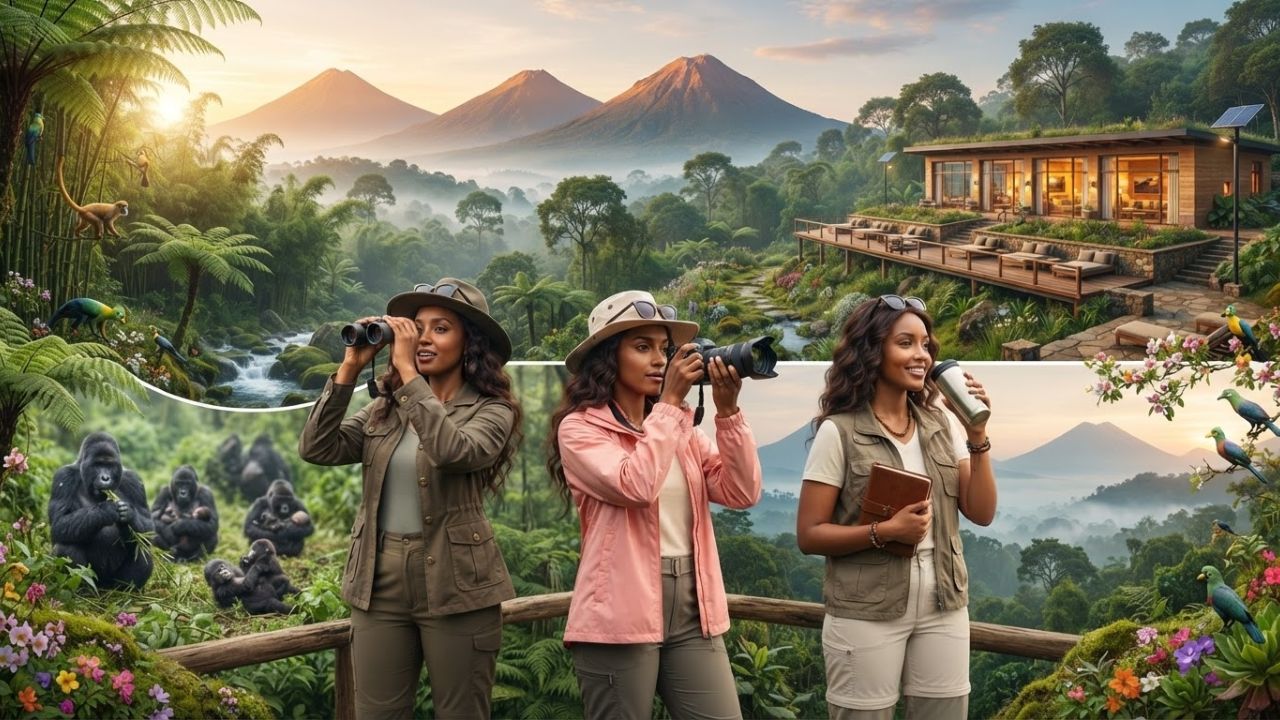
Image generated by AI
Published on July 21, 2026
Southwestern Uganda is currently leading a major, environmentally conscious movement across the international travel sector. By showcasing a perfect balance between high-end hospitality and habitat preservation, the region attracts travelers seeking responsible connections with nature. Mgahinga Gorilla National Park serves as a premier example of this shift, demonstrating how modern ecological travel models can protect ancient landscapes while driving regional growth.
Quick Summary
- Conservation Strategy: Mgahinga Gorilla National Park prioritizes habitat protection and limited visitor access to prevent mass exploitation.
- Community Revenue Sharing: A set percentage of tracking fees and entry tariffs directly funds local schools, clean water, and clinics.
- Vulnerable Species Protection: Highly regulated permits for endangered mountain gorillas and Albertine Rift golden monkeys support park operations.
- Low-Footprint Lodges: High-end forest eco-lodges incorporate zero-waste, rainwater harvesting, and modular designs that minimize soil damage.
- Integrated Travel Circuits: The park combines mountaineering, birdwatching, and primate tracking into a single multifaceted visitor itinerary.
Context and Background
Uganda's high-altitude border forests house critical environmental habitats that require active protection to prevent degradation. Historically, resource management relied on isolating local communities from adjacent parks, which created economic strain and increased illegal poaching. In response, conservation managers and regional authorities implemented cooperative frameworks linking park revenues directly to local socioeconomic development.
This transition is supported by a growing consumer preference for ethical, low-impact exploration. High-value travelers plan their itineraries months in advance and pay premium permit fees when they know their presence supports conservation. This model ensures a predictable, year-round revenue stream that shields local security and conservation budgets from economic fluctuations.
Details of Mgahinga Park Supporting Ecological Travel Models
Mgahinga Gorilla National Park represents a key environmental sanctuary located within the cross-border Virunga Mountain Range, which borders Rwanda and the Democratic Republic of Congo. The park's striking topography includes three inactive volcanic peaks Mount Gahinga, Mount Sabinyo, and Mount Muhavura which act as weather catchments sustaining mist-covered forests, bamboo zones, and alpine moorlands. Visitors navigating these vertical biomes can observe elephants in lush river valleys, endangered mountain gorillas, and acrobatic golden monkeys.
To accommodate these visitors sustainably, developers have introduced ultra-luxury, low-footprint forest eco-lodges. These properties feature private observation decks, personalized butler services, and fine dining centered around local agriculture. Built using modular designs that can be entirely disassembled, these properties avoid heavy construction techniques to preserve the forest canopy.
To show the attractions and features of Mgahinga Gorilla National Park, the following table summarizes the key details:
| Park Attraction | Elevational Habitat Zone | Primary Protected Wildlife | Visitor Safety & Environmental Rules |
|---|---|---|---|
| Mountain Gorillas | High-altitude forest canopy | Endangered mountain gorillas | Strict distance rules, face coverings |
| Golden Monkeys | Lower bamboo elevations | Albertine Rift golden monkeys | Capped interaction times, daily caps |
| Endemic Avian Species | Mossy forests & giant lobelias | Rwenzori turaco, sunbirds | Certified guides, dedicated platforms |
| Virunga Volcanic Peaks | Inactive crater lake summits | Mounts Gahinga, Sabinyo, Muhavura | Guided trekking routes, physical fitness |
Environmental Risks and Travel Disruptions in Primate Tracking
While specialized eco-lodges improve vacation planning, forest tracking presents several specific challenges:
- Pathogen Transmission: Mountain gorillas share significant genetic similarity with humans, requiring strict health checks and face coverings for trackers.
- Access Limitations: Capping daily visitor numbers to protect wildlife requires managing permit waitlists months ahead.
- Cross-Border Security: Because wildlife moves freely across the Virunga Range, managing anti-poaching forces requires close coordination with Rwanda and the DRC.
- Human-Wildlife Conflicts: Encroachment on forest boundaries requires continuous community patrols to prevent wildlife from entering adjacent agricultural lands.
What Authorities and Local Communities Are Saying
Official spokespersons from park management emphasize that the success of the reserve depends on community partnership. Under the current revenue-sharing model, a percentage of all park tariffs is given directly to the villages bordering the reserve. These funds support local schools, transport links, clean water systems, and medical clinics, removing incentives for illegal poaching and forest encroachment.
Additionally, community elders highlight that the integration of local traditions and ancestral knowledge of the forest enhances the traveler experience. Local residents are employed as expert trackers, park rangers, and cultural guides, ensuring that the fruits of the travel industry are distributed fairly. Through joint community conservation committees, residents and rangers work hand-in-hand to monitor forest health.
Practical Traveler Advice
For tourists planning to explore Mgahinga Gorilla National Park in 2026, the following tips are recommended:
- Book Trekking Permits Early: Due to daily visitor limits, secure your gorilla and golden monkey tracking permits months in advance.
- Build Physical Fitness: Prepare before arrival, as tracking requires hiking through steep, muddy high-altitude terrain.
- Follow Health Guidelines: Wear face coverings and maintain the required distance from primates to prevent disease transmission.
- Pack Trekking Gear: Bring sturdy, anti-slip boots, waterproof layers, and protective covers for all cameras and phones.
- Hire Local Guides: Book community elders for guided walks to learn about traditional forest survival and medicinal plants.
Broader Context and Regional Significance
The shift in traveler preferences toward deep forest encounters highlights a trend within international tourism, where guests prioritize ecological engagement over passive sightseeing. By establishing a premium value proposition based on ecological integrity, Uganda is successfully shifting leisure capital toward long-term environmental custody.
Furthermore, these premium travel circuits encourage scientific and educational tourism, attracting research teams to study unique alpine plant life, primate behavior, and avian migration. The data collected by these research teams contributes to global climate change studies, establishing the park as an international center for environmental learning.
Regional Integration and the Future of Ecological Travel Models
Over the coming seasons, governments will continue to expand regional infrastructure, upgrading roads connecting remote mountain areas to international entry points and expanding domestic flight options. Cross-border cooperation between administrative bodies in Uganda, Rwanda, and the DRC will also strengthen, allowing operators to design multi-country travel packages with standardized conservation fees.
For travelers, these ongoing efforts guarantee that Mgahinga Gorilla National Park will remain a safe, ethical, and pristine destination. Monitoring official travel updates will help holidaymakers plan responsible and memorable journeys to this volcanic sanctuary.
Summary and Preparedness
In conclusion, Mgahinga Gorilla National Park demonstrates the potential of combining luxury exploration with sustainable ecological travel models. By planning ahead and supporting community-based initiatives, visitors can participate in a global conservation effort. Ultimately, careful planning remains key to enjoying a successful safari holiday.
Related Travel Guides
The 10 Best National Parks in Africa, According to Reddit
Suggested SEO Metadata & Assets
- Meta Title: Uganda Mgahinga Park: Eco-Tourism & Gorillas Guide 2026
- Meta Description: Uganda's Mgahinga Gorilla National Park pioneers ecological travel models, combining primate tracking and community revenue sharing in 2026.
- URL Slug: uganda-mgahinga-gorilla-national-park-tourism-2026
- Tags:
adventure tourism,Mgahinga Gorilla National Park,Travel News,Uganda - Featured Image Alt Text: Elephants walking through a lush green river valley with mountains in the background.
FAQ: Uganda Mgahinga Gorilla National Park and Eco-Tourism
Where is Mgahinga Gorilla National Park located and what is its volcanic geography?
The park is in southwestern Uganda, bordering Rwanda and the DRC, and features three inactive volcanic peaks: Mounts Gahinga, Sabinyo, and Muhavura.
How does the community revenue-sharing model operate at the park?
A percentage of park entry fees and permit revenues goes directly to community funds, constructing local schools, transport systems, and health clinics.
What are the main rules for tourists during primate tracking encounters?
To safeguard animal health, tourists must wear face coverings, maintain strict distance limits, and adhere to capped interaction times.
Which rare primate and bird species are protected within the park?
The park protects endangered mountain gorillas, golden monkeys, and rare endemic birds like the Rwenzori turaco and golden-winged sunbird.
What adventure options are available on the park's travel circuits?
Travelers can combine primate tracking with high-altitude alpine trekking across three volcanic summits and dedicated birdwatching excursions.
Disclaimer
This article is for informational and educational purposes only. It does not constitute legal, financial, or professional advice. While we strive to provide accurate and up-to-date information, travel policies, regulations, and conditions change rapidly. Always verify information with official sources before making travel decisions. Nomad Lawyer makes no representations about the accuracy, reliability, completeness, or suitability of the information provided. Readers should consult qualified professionals for advice specific to their circumstances. The views expressed in this article are those of the author and do not necessarily reflect the views of Nomad Lawyer.
Kunal K Choudhary
Co-Founder & Contributor
A passionate traveller and tech enthusiast. Kunal contributes to the vision and growth of Nomad Lawyer, bringing fresh perspectives and driving the community forward.
Learn more about our team →