U.S. Embassy Kampala Issues October 2026 Health Alert Over Ebola Risks and Transit Restrictions

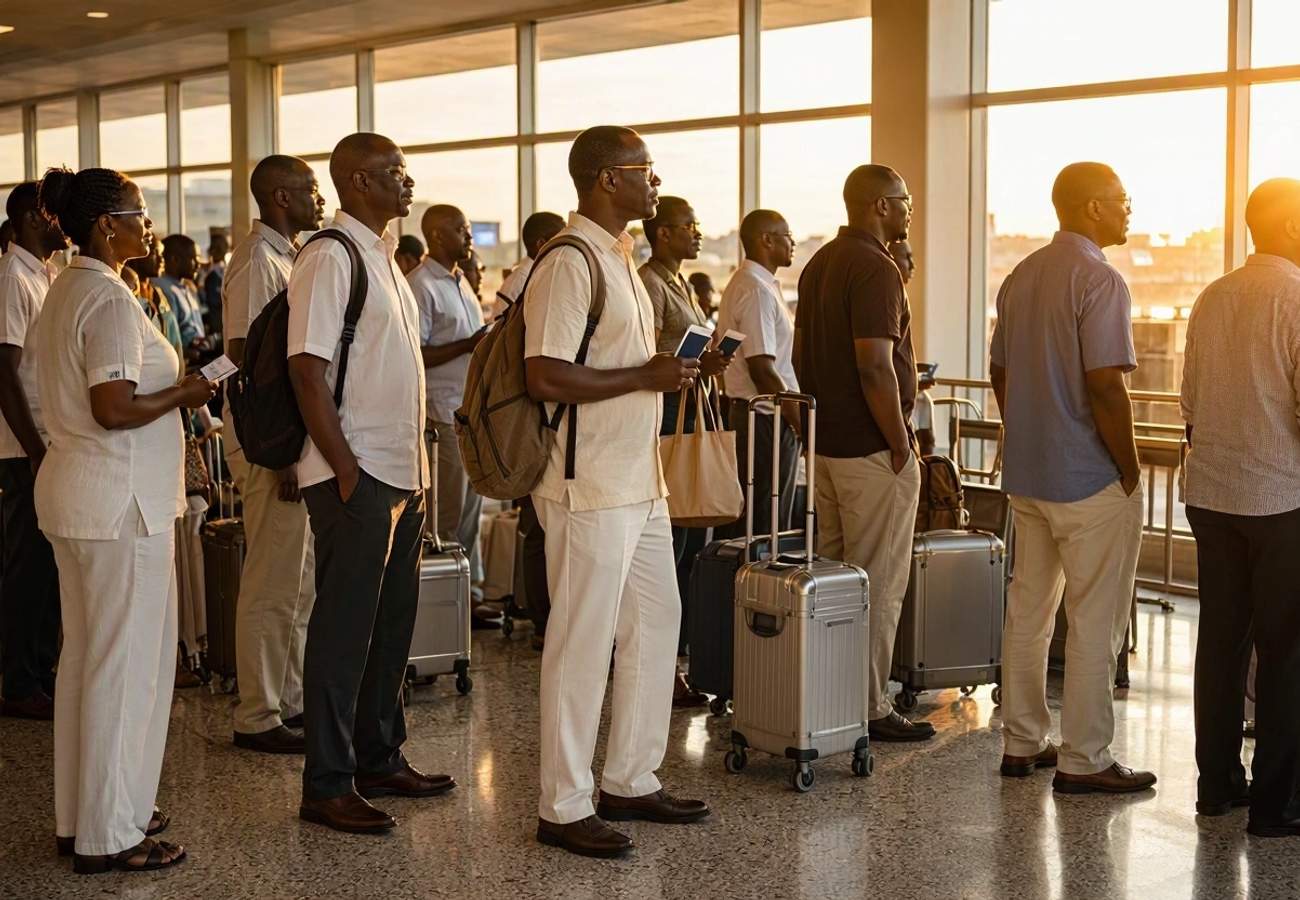
Image generated by AI
While Uganda officially declared the conclusion of its domestic Ebola outbreak in mid-2026, the U.S. Embassy in Kampala issued a new health alert on October 28, 2026, signaling that regional instability remains a primary risk factor. This shift indicates that while local transmission may have paused, the "exportation" of the Bundibugyo virus via transit hubs like Entebbe International Airport continues to trigger high-level government responses.
The Ebola Risk in Numbers: Kampala and Beyond
The October 28 alert is not an isolated warning but a response to a specific epidemiological pattern. Data suggests that while Kampala itself is not currently experiencing a localized outbreak, the city serves as the primary administrative and transit node for travelers moving between the Democratic Republic of the Congo (DRC) and the rest of the world.
Confirmed Ebola infections in Nigeria and Kenya have been directly traced back to travel corridors involving Uganda. This has led the Uganda Ministry of Health to implement a strict 21-day quarantine for citizens returning from specific high-risk zones. For the international traveler, this means that Entebbe International Airport is no longer just a transit point but a primary screening site where health questionnaires and temperature checks are mandatory.
The Centers for Disease Control and Prevention (CDC) and the Federal Register have detailed public health orders that limit or suspend entry into the United States for individuals who have been in Uganda, South Sudan, or the DRC. These orders are reviewed periodically, meaning a traveler's legal ability to enter the U.S. can change based on the date of their departure from East Africa.
Regional Health Benchmarks and Transit Controls
The current situation represents a transition from "outbreak management" to "border containment." The following table compares the current 2026 health protocols against the standard operating procedures seen prior to the Bundibugyo virus escalation.
Uganda Transit Protocol Comparison: Pre-Outbreak vs. Q4 2026
| Metric | Standard Protocol | Q4 2026 Protocol | Impact Level |
|---|---|---|---|
| Border Screening | Routine Passport/Visa Check | Mandatory Health Questionnaires | High |
| Quarantine Period | None | 21 Days (for specific high-risk zones) | Severe |
| U.S. Entry Routing | Any Major U.S. Airport | Designated Screening Airports Only | Moderate |
| Medical Evacuation | Standard Insurance | Robust Specialized Med-Evac Required | High |
| Transit Requirements | Standard Flight Itinerary | 21-Day Buffer for Certain U.S. Entries | Moderate |
The World Health Organization (WHO) continues to monitor these regional shifts, as the DRC continues to report active cases despite Uganda's domestic success. This creates a "pendulum effect" where Uganda's borders tighten every time a case is reported in a neighboring province.
What This Means for Travelers
For U.S. citizens and nomads currently in or planning a trip to Kampala, the data suggests that logistical flexibility is now more important than the destination itself.
1. Mandatory Routing Adjustments If your itinerary includes the DRC, South Sudan, or high-risk areas of Uganda, you cannot simply fly into any U.S. city. You will be routed through a small number of designated U.S. airports equipped for enhanced screening. Failure to coordinate this with your airline may result in denied boarding.
2. The "21-Day Buffer" Strategy Some travelers are now intentionally scheduling a 21-day gap between their departure from Uganda and their arrival in the United States. This is a strategic move to bypass the most stringent CDC entry restrictions and avoid the risk of being diverted to screening airports.
3. Insurance and Infrastructure Gaps The U.S. Embassy has explicitly stated that medical infrastructure in Kampala may lack the capacity for advanced infectious disease care. Because the U.S. government does not cover hospitalization or evacuation costs, travelers must secure medical evacuation insurance that specifically covers viral hemorrhagic fevers.
4. Enrollment in STEP The Smart Traveler Enrollment Program (STEP) is no longer optional for the risk-averse. Given that flight patterns and health rules are changing with "little notice," real-time embassy updates are the only way to avoid being stranded by a sudden border closure.
Forward Projection: The Future of East African Transit
Based on current trajectory, we expect "Health Passports" or digital health declarations to become a permanent fixture at Entebbe International Airport. As the Bundibugyo virus remains endemic in the DRC, Uganda will likely maintain a permanent state of "heightened vigilance" rather than returning to pre-pandemic norms.
We anticipate that airlines will increasingly integrate CDC routing requirements into their booking engines for flights departing from Kampala. Travelers should expect that "non-essential" travel to border regions will face increasing obstacles, while humanitarian and security corridors will remain open under strict surveillance.
FAQ: Uganda Health Alert 2026
Will flight prices to Kampala increase due to these alerts? Not necessarily, but "hidden costs" are rising. Travelers should budget for more expensive specialized medical insurance and potential itinerary changes to accommodate CDC routing.
Is it safe to visit Kampala right now? Yes, provided you avoid high-risk border zones and follow hygiene protocols. There is currently no evidence of a new local outbreak within Kampala city limits.
Which airlines are handling the CDC routing requirements? Major international carriers operating out of Entebbe are coordinating with the Department of Homeland Security to route high-risk passengers to designated U.S. screening airports.
Do I need a specific vaccine for the Bundibugyo virus? There is no widely available commercial vaccine for the Bundibugyo strain; prevention relies on avoiding bodily fluids, bushmeat, and following official screening instructions.
Travel in 2026 is less about the destination and more about the data governing the transit.
Related Travel Guides
This article is for informational purposes. Flight routes, passenger regulations, visa rules, and transit advisories are subject to change by airlines and aviation authorities. Readers are advised to verify schedules and travel documentation with relevant carriers and border agencies before departure.
Related Stories
Uganda Expands Trade with South Sudan and Saudi Arabia Amid 2026 Canada Travel Warnings

FCDO Tightens Travel Advice for 13 States Including Turkey and Egypt in October 2026