
Travel Alert Rising: Fuel Costs Force Americans to Reshape 2026 Plans
Travel alert rising as gas prices surge in 2026, forcing Americans to cancel road trips and rethink long-distance travel. Tourism sectors split between winners and losers.

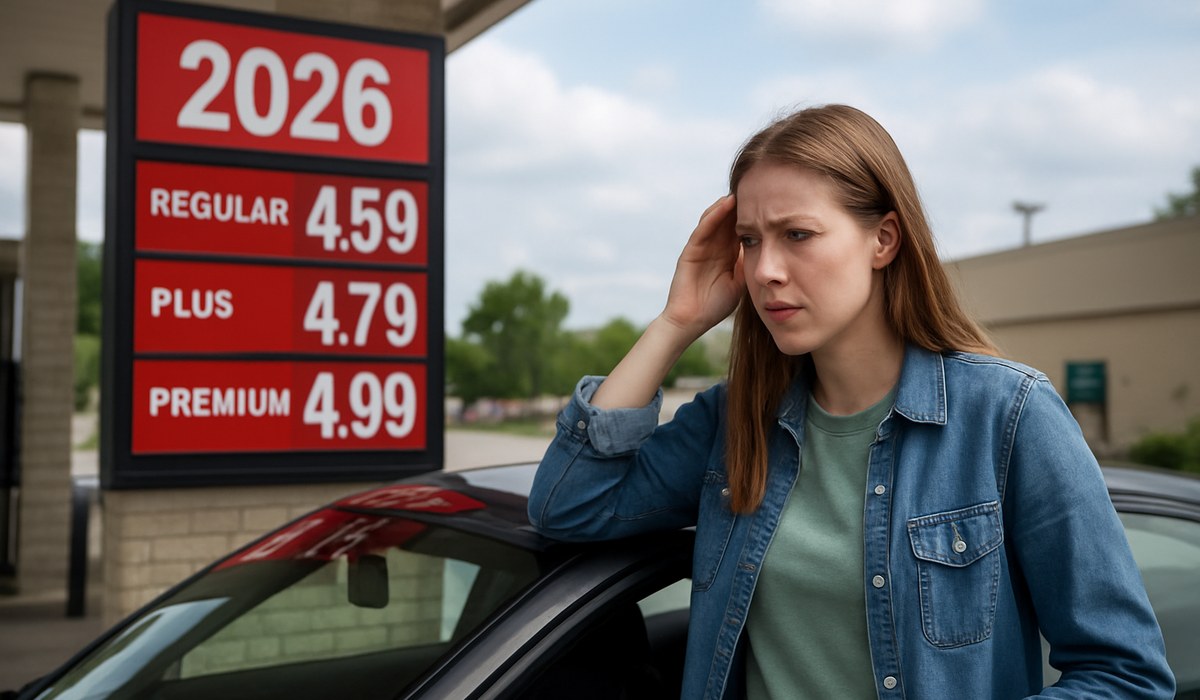
Image generated by AI
Quick Summary
- Motorists face record fuel expenses in 2026, triggering mass postponement of road trip itineraries
- American travelers are bifurcating into budget-conscious cancelers and premium-service seekers
- Rail operators and luxury carriers report booking surges while rural tourism corridors face demand collapse
- Geopolitical supply disruptions continue amplifying domestic transportation costs across the nation
Travel Alert Rising: How Fuel Costs Are Fracturing American Leisure Travel
Motorists pumping gas across America face a grim calculus in 2026. Tank-filling expenses have climbed to levels not seen in the previous decade, forcing tens of millions of Americans to fundamentally reconsider their spring and summer travel strategies. This isn't merely inflation; it's a structural realignment reshaping which regions prosper and which suffer.
The travel alert rising phenomenon reflects something deeper than temporary price volatility. Families that once plotted eight-hour highway expeditions are now debating whether the fuel tab justifies departure at all. Hotel owners in scenic byways report cancellation cascades. Meanwhile, premium airlines and boutique rail operators are experiencing their best booking quarters in years.
"We're witnessing a cleaving of the American travel market," explains industry observer data, with spending patterns diverging sharply between income brackets and trip distances.
Quick Summary
- Motorists face record fuel expenses in 2026, triggering mass postponement of road trip itineraries
- American travelers are bifurcating into budget-conscious cancelers and premium-service seekers
- Rail operators and luxury carriers report booking surges while rural tourism corridors face demand collapse
- Geopolitical supply disruptions continue amplifying domestic transportation costs across the nation
What's Driving Gas Prices Higher in 2026?
Three simultaneous forces are pressuring pump prices upward. First, refinery constraints have reduced domestic fuel capacity just as spring demand typically surges. Second, crude oil trading reflects ongoing geopolitical tensions that continue disrupting Middle Eastern production quotas. Third, a weakened dollar against petrochemical-denominated global markets magnifies the price impact for American consumers.
The supply-side squeeze is real. U.S. refinery utilization rates have dipped below historical norms even as global demand rebounds from post-pandemic normalization. This mismatch between capacity and consumption creates persistent upward pressure.
Internationally, the situation compounds. Geopolitical energy crises reshaping travel costs are affecting every corner of the transportation sector. One Saudi production facility operating below capacity translates directly to your neighborhood gas station pricing. A geopolitical flashpoint in the Persian Gulf adds pennies per gallon nationwide within weeks.
Financial traders note that crude futures prices have remained elevated despite tactical stimulus measures from the Biden administration's petroleum reserve releases in 2024 and 2025. Structural supply constraints, not temporary disruption, now dominate market dynamics.
The Road Trip Reckoning: Data on Cancellations and Delayed Plans
Travel booking platforms are documenting an unprecedented pattern. Road trip reservations—typically the highest-volume leisure travel category—have contracted sharply as fuel costs climb beyond psychological affordability thresholds for middle-income households.
AAA-affiliated data reveals that multi-day automobile journeys extending beyond 400 miles have experienced cancellation rates approaching 18 percent for March through May travel windows. That represents a 320-basis-point increase compared to the equivalent 2025 period.
Budget hotel chains catering to highway corridor traffic report occupancy declines averaging 12 percent year-over-year. Campground operators, particularly those serving national forest and public lands tourism, face booking inventories 15-20 percent below pre-2026 levels. Gas station convenience stores dependent on traveler purchases have trimmed staff at many locations.
Simultaneously, flight disruptions forcing road trip reconsideration have created a secondary effect. Travelers initially viewing flying as expensive now increasingly opt to skip leisure trips altogether rather than default to road travel. This represents a double-negative for the tourism ecosystem.
The geographic distribution matters enormously. States relying on domestic automobile tourism—South Dakota's badlands, Montana's wilderness corridors, Arkansas's outdoor recreation economy—face cascading economic pressure. Rural main streets dependent on visitor spending report thinner customer traffic.
Winners and Losers: Which Travel Sectors Benefit From This Shift
While road-dependent tourism withers, alternative transportation and hospitality segments flourish.
Rail carriers: Amtrak and regional rail networks have experienced a renaissance. Premium sleeper car bookings are up 34 percent for 2026 versus the prior year. This represents the strongest demand for rail travel since the early 1990s. The calculus is straightforward: a premium train seat for an overnight journey often costs less than a rental vehicle's fuel expenses for equivalent distance.
Premium airlines: First and business-class bookings have accelerated, particularly on transcontinental routes. Affluent travelers willing to absorb fuel surcharges are, paradoxically, more price-insensitive than middle-class road trippers. They're flying more frequently, not less.
Urban hospitality: City-center hotels in major metropolitan areas report sustained strength. Travelers unable to execute multi-state road expeditions are substituting with urban weekends, weekend getaways to nearby major cities, and regional destination stays. Chicago, Denver, Nashville, and Austin hotels report strong spring booking momentum.
Luxury resorts and all-inclusive properties: These facilities are experiencing booking growth. Travelers frustrated by fuel volatility increasingly prefer destination stays where transportation decisions aren't part of the equation. Once you've arrived, the resort's inclusive model provides pricing certainty and simplicity.
According to World Travel & Tourism Council research{:target="_blank" rel="noopener noreferrer"}, the tourism industry has historically adapted quickly to price shocks, but the current moment presents unusual complexity. Luxury segments are capturing incremental spending as middle-market road trips evaporate. This creates a "missing middle" phenomenon where moderate-budget leisure travel shrinks while premium experiences expand.
Alternative Travel Trends Emerging as Americans Adapt
Necessity breeds innovation. American travelers are fundamentally reconsidering their approach to leisure movement.
Staycation sophistication: Rather than 500-mile family road expeditions, households are booking week-long stays within their regional geography. The staycation concept, once considered a Depression-era necessity, has rebanded as "intentional local exploration." Hotels and bed-and-breakfasts within two-hour driving radii of major metropolitan areas report unexpectedly strong bookings.
Regional circuit tourism: Alternative regional travel circuits gaining momentum as a global phenomenon is mirrored domestically. Americans are extending stays in individual regions rather than undertaking sprawling multi-state drives. Instead of road-tripping from California to Colorado to Utah, travelers are spending seven days within Utah's national park ecosystem. Extended stays reduce transportation friction while deepening regional economic benefit.
Micro-mobility and group travel: Rideshare networks and group travel platforms are facilitating shared-vehicle trips that distribute fuel costs across multiple households. Several emerging platforms specifically market group road trips, mathematically reducing per-person fuel expense. This model is gaining traction particularly among younger travelers and multi-family vacation collectives.
Flight plus regional car rental: Instead of renting vehicles for extended road trips, travelers are increasingly flying to their final destination and renting locally for short-distance exploration. This eliminates the
Disclaimer
This article is for informational and educational purposes only. It does not constitute legal, financial, or professional advice. While we strive to provide accurate and up-to-date information, travel policies, regulations, and conditions change rapidly. Always verify information with official sources before making travel decisions. Nomad Lawyer makes no representations about the accuracy, reliability, completeness, or suitability of the information provided. Readers should consult qualified professionals for advice specific to their circumstances. The views expressed in this article are those of the author and do not necessarily reflect the views of Nomad Lawyer.
Kunal K Choudhary
Co-Founder & Contributor
A passionate traveller and tech enthusiast. Kunal contributes to the vision and growth of Nomad Lawyer, bringing fresh perspectives and driving the community forward.
Learn more about our team →