Uganda Ebola Outbreak Ends in 2026 But UAE Travel Restrictions Persist for Visitors


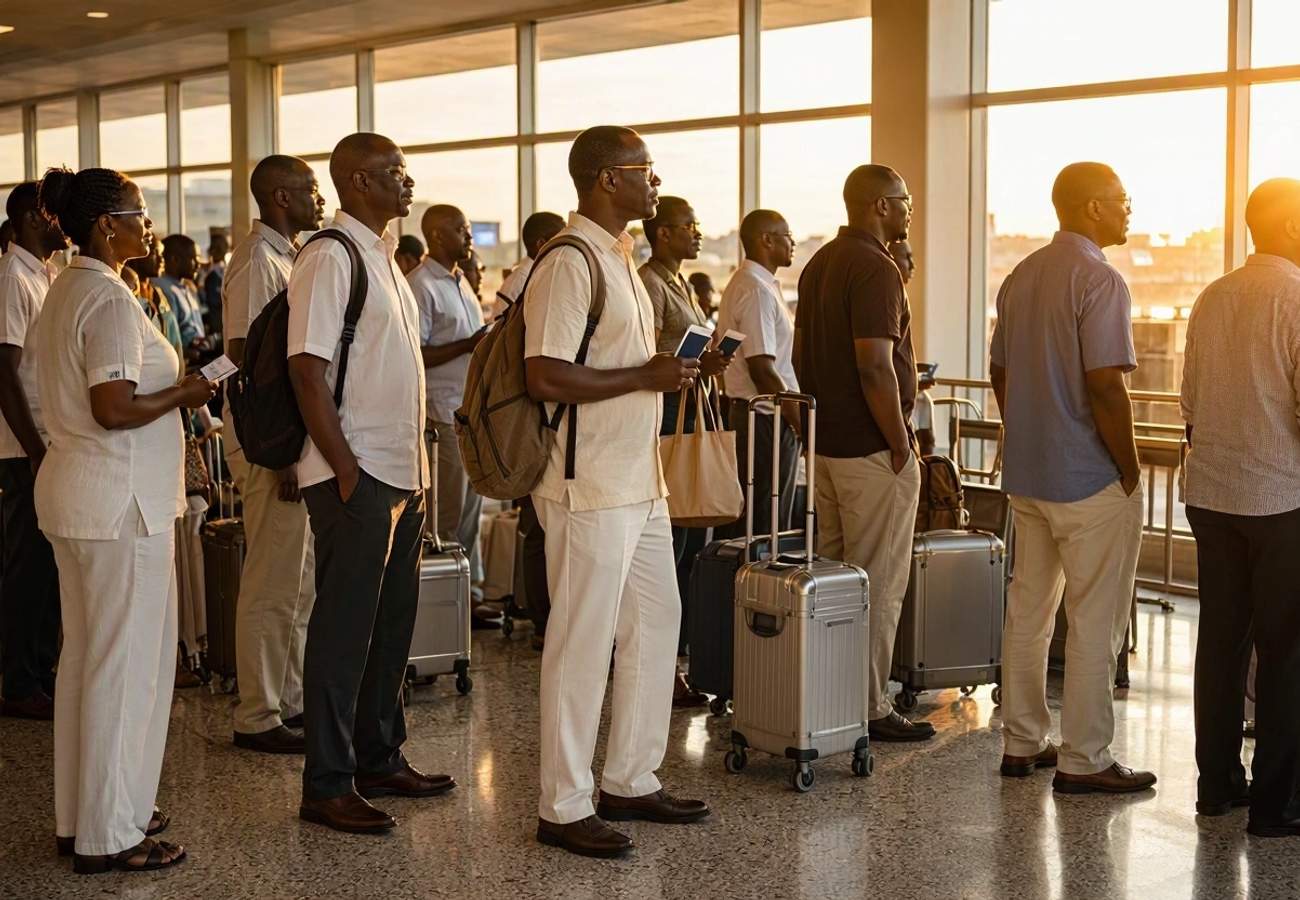
Image generated by AI
Uganda is officially free of Ebola as of July 28, 2026, yet travelers moving between Kampala and Dubai find themselves caught in a diplomatic limbo. Despite the health crisis ending, the United Arab Emirates continues to enforce strict entry barriers that ignore the official "all-clear" from Ugandan health authorities.
The Diplomatic Friction Over Travel Restoration
The health emergency in Uganda reached a definitive conclusion after the Ministry of Health confirmed the final patient was discharged on June 16. Following a mandatory 42-day monitoring window with zero new transmissions, the government declared the outbreak over. However, the restoration of travel corridors has not been symmetrical.
While Uganda has reopened its doors to the world, the UAE has been slower to pivot. In September 2026, Prime Minister Robinah Nabbanja held high-level meetings in Dubai to negotiate the removal of restrictions that are currently stifling bilateral trade and tourism. This creates a paradoxical environment where a destination is medically safe, but legally restricted by foreign border policies.
The UAE's Rigid Entry Framework
The restrictions currently challenging travelers began on May 30, when the UAE Ministry of Foreign Affairs warned residents against non-essential travel to Uganda, South Sudan, and the Democratic Republic of Congo (DRC). This escalated on June 6, leading to a suspension of new visas for nationals of these three countries.
For those attempting to enter the UAE, the rules remain stringent:
- Visa Suspension: New visa issuances for Ugandan nationals remain paused.
- The 21-Day Rule: Passengers arriving from Uganda—or those who have transited through the country—must prove they have remained outside the affected zone for at least 21 days to gain entry.
- Aviation Logistics: While cargo and transit flights continue to operate through UAE hubs, the passenger restrictions remain a significant hurdle for those intending to enter the Emirates.
For the most current official guidance, travelers should consult the UAE Ministry of Foreign Affairs or the World Health Organization (WHO), which notably advised against broad travel and trade restrictions throughout the crisis.
Visitor Insider Tips
If you are planning a trip to Uganda or transiting through the region in late 2026, keep these local nuances in mind:
- Airport Logistics: Expect continued, though streamlined, health screenings at Entebbe International Airport. During the peak response, over 5,400 travelers were screened; while the intensity has dropped, carrying a digital record of your health status can speed up processing.
- Transit Strategy: If you are a Ugandan national or have recently visited Uganda and need to reach the UAE, consider a "buffer" stopover in a third country for 21 days to satisfy UAE entry requirements.
- Local Base: For those entering Uganda now, basing yourself in Entebbe provides the fastest access to the airport, while Kampala remains the hub for business and government interactions.
- Health Documentation: Always carry a printed copy of your vaccination records. While Ebola-specific documents are less common now, general yellow fever certification remains a strict requirement for entry into Uganda.
Cultural and Environmental Context
The friction between Uganda's health status and the UAE's border policy highlights a recurring theme in global tourism: the "perception lag." Even after the African Development Bank provided a US$13 million package—including a US$10 million grant via WHO and US$1 million specifically for Uganda and South Sudan—to bolster health infrastructure, international confidence often recovers slower than the actual biological threat.
The reliance of Uganda's economy on international visitors means that these lingering restrictions are not just a convenience issue but an economic one. The tension underscores the challenge of balancing national security and public health with the necessity of maintaining open borders for trade and humanitarian aid.
FAQ: Visiting Uganda 2026
Is Uganda safe to visit now? Yes. Uganda officially declared itself free of Ebola on July 28, 2026, after a 42-day period of zero transmission. The Ministry of Health confirms the country is open for tourism and business.
Can Ugandan nationals travel to the UAE? It is currently difficult. The UAE suspended new visas for Ugandan nationals on June 6, 2026. Travelers must typically have been outside the affected region for 21 days to enter.
Do I need special health screenings at Entebbe Airport? While the outbreak is over, enhanced surveillance remains in place. You should expect standard health checks, though they are no longer as restrictive as they were during the peak of the outbreak.
Who funded the Ebola response in the region? The response was funded by the African Development Bank through a US$13 million package, not the UAE. This included a US$10 million grant channeled through the WHO.
The health crisis has passed, but the paperwork remains the final frontier.
Related Travel Guides
This article is for informational purposes. Flight routes, passenger regulations, visa rules, and transit advisories are subject to change by airlines and aviation authorities. Readers are advised to verify schedules and travel documentation with relevant carriers and border agencies before departure.
Related Stories
U.S. Embassy Kampala Issues October 2026 Health Alert Over Ebola Risks and Transit Restrictions

US East Coast Weather Alert: Potential Tropical Storm Kyle Impacts Travel from Georgia to New England 2026