
UNESCO Heritage Designation Triggers Overtourism Crisis and Local Displacement Across Türkiye's Historic Hubs in 2026
UNESCO World Heritage status drives physical degradation, 300% rent spikes, and municipal revenue deficits across Istanbul, Cappadocia, and Ephesus.

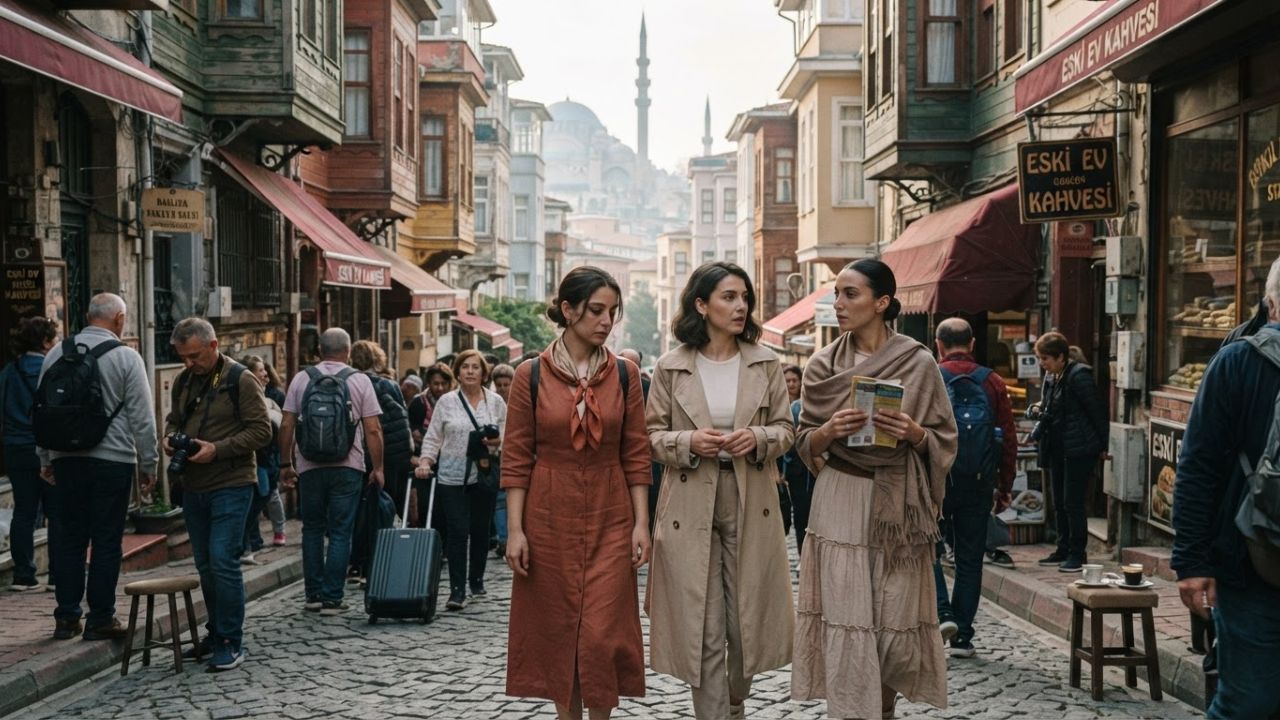
Image generated by AI
The rapid influx of international tourism following UNESCO World Heritage inscription is triggering severe physical degradation, real estate inflation, and local economic displacement across Türkiye's historic landmarks. While UNESCO designation delivers an immediate boost to national tourism receipts, local municipalities and resident populations are bearing the heavy environmental and fiscal costs of hyper-tourism.
[ISTANBUL, Türkiye, Sept. 3, 2026] — Türkiye's historic heritage hubs are confronting a growing sustainability challenge as international prestige and mass tourism strain delicate archaeological sites and local communities. Official heritage performance reports released on September 3, 2026, indicate that while UNESCO World Heritage status boosts site visitor numbers by 20% to 50% within two years of inscription, it also accelerates micro-environmental decay, speculative property inflation, and central-local governance friction.
Across 21 designated UNESCO World Heritage Sites in Türkiye—comprising 19 cultural properties and 2 mixed natural-cultural sites—unmonitored visitor numbers are accelerating physical erosion. In enclosed monuments like the rock-hewn churches of Cappadocia and the ancient thoroughfares of Ephesus, peak visitor surges are causing measurable structural damage, while residential communities in Istanbul, Safranbolu, and Cumalıkızık face severe economic displacement.
Physical Degradation and Micro-Environmental Stress Across Ephesus and Cappadocia
Uncontrolled visitor surges following UNESCO inscription inflict severe micro-environmental stress on fragile ancient structures across Anatolia. In Göreme National Park and the Rock Sites of Cappadocia, inscribed as a mixed property in 1985, high human density inside ancient soft tufa rock-hewn sanctuaries alters indoor microclimates.
During peak visiting hours inside celebrated sanctuaries like Karanlık Kilise (Dark Church), carbon dioxide levels routinely spike above 1,200 parts per million. This sharp elevation in indoor humidity and greenhouse gas concentrations accelerates chemical salt crystallization, peeling irreplaceable tenth-century Byzantine wall paintings. In response to unmonitored commercial cave hotel expansions, the newly established Cappadocia Area Presidency (Kapadokya Alan Başkanlığı) has executed over 500 demolitions of unauthorized structural extensions.
Further west at the ancient Greco-Roman metropolis of Ephesus in İzmir, inscribed in 2015, annual visitor counts exceed 2.5 million. Seasonal cruise ship arrivals docking at the nearby Port of Kuşadası discharge over 800,000 excursion passengers annually across 500 cruise ship calls, funneling up to 150 tour buses simultaneously into site entrances. Heavy daily foot traffic along marble thoroughfares like Curetes Street and near the Library of Celsus causes physical wear of up to 0.3 millimeters per year on ancient paving stones.
Real Estate Speculation and Residential Displacement in Istanbul, Safranbolu, and Cumalıkızık
World Heritage designation functions as a primary catalyst for real estate speculation, transforming historic residential neighborhoods into high-yield commercial assets. Within the Historic Areas of Istanbul, inscribed in 1985, conservation master plans triggered speculative capital investment across Süleymaniye, Fener, and Balat. Property values surged by over 300% within five years of plan implementation, precipitating a 45% reduction in permanent local residents as historic Ottoman timber structures were converted into boutique hotels and short-term vacation rentals.
Rural Anatolian settlements inscribed for domestic Ottoman architecture face similar socio-economic shifts:
- Safranbolu (Karabük): Inscribed in 1994, non-local corporate entities acquired over 35% of the town's nearly 2,000 preserved Ottoman Konağı timber mansions. Traditional leather tanning and agricultural trades were systematically replaced by commercial souvenir shops and hospitality venues.
- Cumalıkızık (Bursa): Inscribed in 2014, agricultural revenue dropped from 70% of local GDP to under 15% within a decade. Over 80% of traditional family courtyards (avlu) were converted into commercial breakfast venues (serpme kahvaltı). Operating under a weekend ratio of 20,000 visitors to fewer than 700 permanent residents (a 1:28 local-to-visitor ratio), the village's historic rural identity has been severely altered.
DÖSİMM Centralized Revenue System and Municipal Fiscal Disparity
A major structural issue stems from the financial distribution model governed by Turkish Heritage Protection Law No. 2863 and Law No. 5226. Under the Revolving Fund Administration (DÖSİMM) of the Ministry of Culture and Tourism, gate fees for over 33 million annual museum and heritage visits—ranging between €15 and €40 per ticket for foreign visitors—flow directly into the central treasury in Ankara.
Although Türkiye generated $61.1 billion in national tourism revenue from over 52.6 million international arrivals, host district municipalities retain less than 5% of direct site entry earnings. Local city councils are forced to absorb substantial municipal deficits while funding waste management, traffic control, and infrastructure repairs for millions of annual visitors without receiving a proportional share of gate fees.
Administrative Centralization and the Cappadocia Area Presidency
Governance reforms have progressively shifted regional administrative authority away from elected local municipalities toward central state bodies in Ankara. The establishment of the Cappadocia Area Presidency (Kapadokya Alan Başkanlığı) bypassed seven local municipal district councils across Nevşehir, granting absolute authority over zoning permits, construction approvals, and site management to centralized state agencies.
While centralized authority has streamlined enforcement against illegal construction, local community voting representation on official Regional Conservation Boards (Kültür Varlıklarını Koruma Bölge Kurulları) remains at 0%, limiting the input of long-term residents in urban planning decisions.
Physical Structural Wear and Microclimate Degradation Metrics
| Historic Site & Location | UNESCO Listing Year | Annual Visitor Footfall | Environmental & Structural Decay Impact | Safe Carrying Capacity Limit |
|---|---|---|---|---|
| Göreme Rock Churches (Cappadocia) | 1985 (Mixed) | >1.0 Million Visitors | CO₂ >1,200 ppm; salt crystallization damages 10th-century frescoes | 3,500 daily (Cap: 50 visitors / 15 min in Dark Church) |
| Ephesus Ancient City (İzmir) | 2015 (Cultural) | >2.5 Million Visitors | Marble floor wear up to 0.3mm/year on Curetes Street; 150 buses/day | 50 visitors / 15 min at Terrace Houses |
| Hierapolis-Pamukkale (Denizli) | 1988 (Mixed) | >2.2 Million Visitors | Travertine terrace water depletion & surface mechanical erosion | Regulated thermal water access limits |
| Istanbul Historic Areas (Süleymaniye/Balat) | 1985 (Cultural) | >5.0 Million Visitors | >300% property value surge; 45% reduction in permanent local population | Core residential zoning protections |
| Cumalıkızık Village (Bursa) | 2014 (Cultural) | >500,000 (20k/weekend) | Agri GDP dropped from 70% to <15%; 80% courtyards converted to retail | 1:28 local-to-visitor weekend ratio limit |
National Tourism Revenue & Heritage Governance Economics
| Economic & Governance Parameter | National Financial Metric | Local Community Impact Detail |
|---|---|---|
| National Tourism Income | $61.1 Billion (52.6M Arrivals) | Macroeconomic revenue boost for central national treasury |
| UNESCO Brand Inscription Premium | +0.22% National Arrival Growth | 20% to 50% site visitor volume increase within 24 months |
| Visitor Daily Expenditure | $85 – $110 / Day (Heritage Tourist) | Higher spend compared to $65/day standard beach resort guest |
| DÖSİMM Gate Fee Revenue Model | €15 – €40 / Foreign Ticket | 100% gate fees enter central funds; local councils retain <5% |
| Restoration State Capital Grants | >₺1.5 Billion ($45M+ USD) | Funded central restoration programs across top 21 UNESCO sites |
Scientific Carrying Capacity (Taşıma Kapasitesi) Solutions
To reconcile commercial tourism with long-term preservation, heritage conservation experts recommend immediate operational reforms:
- Strict Enclosed Visitor Quotas: Enforce maximum carrying capacity (Taşıma Kapasitesi) thresholds capping entry to 50 visitors every 15 minutes in enclosed sanctuaries like the Dark Church in Göreme and the Terrace Houses of Ephesus.
- Revolving Fund Municipal Redistribution: Reform DÖSİMM regulations to allocate a minimum percentage of ticket proceeds directly to host district municipalities for local infrastructure, environmental maintenance, and municipal conservation.
- Core-to-Buffer Spatial Ratios: Enforce a strict 1:3 core-to-buffer protection ratio at active archaeological excavation zones, such as Troy in Çanakkale and Göbeklitepe in Şanlıurfa, preventing commercial retail corridors from encroaching on historic site boundaries.
Why This Matters (Information Gain & Experience)
For international travelers visiting Türkiye in 2026, understanding overtourism dynamics is crucial for planning a respectful, seamless, and authentic travel itinerary.
- Optimal Visiting Windows: Avoid peak excursion hours (10:00 AM to 3:00 PM) at Ephesus and Pamukkale when cruise ship tours arrive from Kuşadası. Arriving at site opening (8:00 AM) or late afternoon provides cooler temperatures, lower crowd density, and better lighting for photography.
- Cappadocia Cave Hotel Verification: When booking cave accommodations in Göreme, Uçhisar, or Ürgüp, ensure the property holds official permits from the Cappadocia Area Presidency to avoid booking illegal cave excavations that damage natural tufa formations.
- Supporting Local Heritage Economies: To ensure travel expenditures directly benefit host communities, patronize locally owned family guesthouses and traditional artisan workshops in Safranbolu and Istanbul rather than non-local commercial retail chains.
Frequently Asked Questions
How many UNESCO World Heritage Sites are located in Türkiye?
Türkiye hosts 21 official UNESCO World Heritage Sites, comprising 19 cultural properties (such as Ephesus and Historic Areas of Istanbul) and 2 mixed properties (Cappadocia and Hierapolis-Pamukkale).
Why are Byzantine frescoes in Cappadocia rock churches deteriorating?
High visitor density in enclosed churches like Karanlık Kilise elevates indoor relative humidity and carbon dioxide levels above 1,200 ppm, accelerating chemical salt crystallization that causes historic frescoes to peel.
What is DÖSİMM and how does it distribute heritage tourism revenue?
DÖSİMM is the Revolving Fund Administration under the Ministry of Culture and Tourism. It collects 100% of ticket entry fees into central state coffers, leaving host municipal councils with less than 5% of direct site revenue.
What is the Cappadocia Area Presidency (Kapadokya Alan Başkanlığı)?
Established under central heritage laws, the Cappadocia Area Presidency is a central authority that oversees zoning, development approvals, and site protection in Cappadocia, bypassing local municipal councils to demolish illegal construction.
Related Travel Guides
Disclaimer
This article is for informational and educational purposes only. It does not constitute legal, financial, or professional advice. While we strive to provide accurate and up-to-date information, travel policies, regulations, and conditions change rapidly. Always verify information with official sources before making travel decisions. Nomad Lawyer makes no representations about the accuracy, reliability, completeness, or suitability of the information provided. Readers should consult qualified professionals for advice specific to their circumstances. The views expressed in this article are those of the author and do not necessarily reflect the views of Nomad Lawyer.
Raushan Kumar
Founder & Lead Developer
Full-stack developer with 11+ years of experience and a passionate traveller. Raushan built Nomad Lawyer from the ground up with a vision to create the best travel and law experience on the web.
Learn more about our team →