
Cambodia Proposes Kep Underwater Art Gallery to Protect Marine Ecosystems
Cambodia has proposed the S.E.A. Ocean Gallery in Kep Province, integrating submarine art, marine conservation, and education.
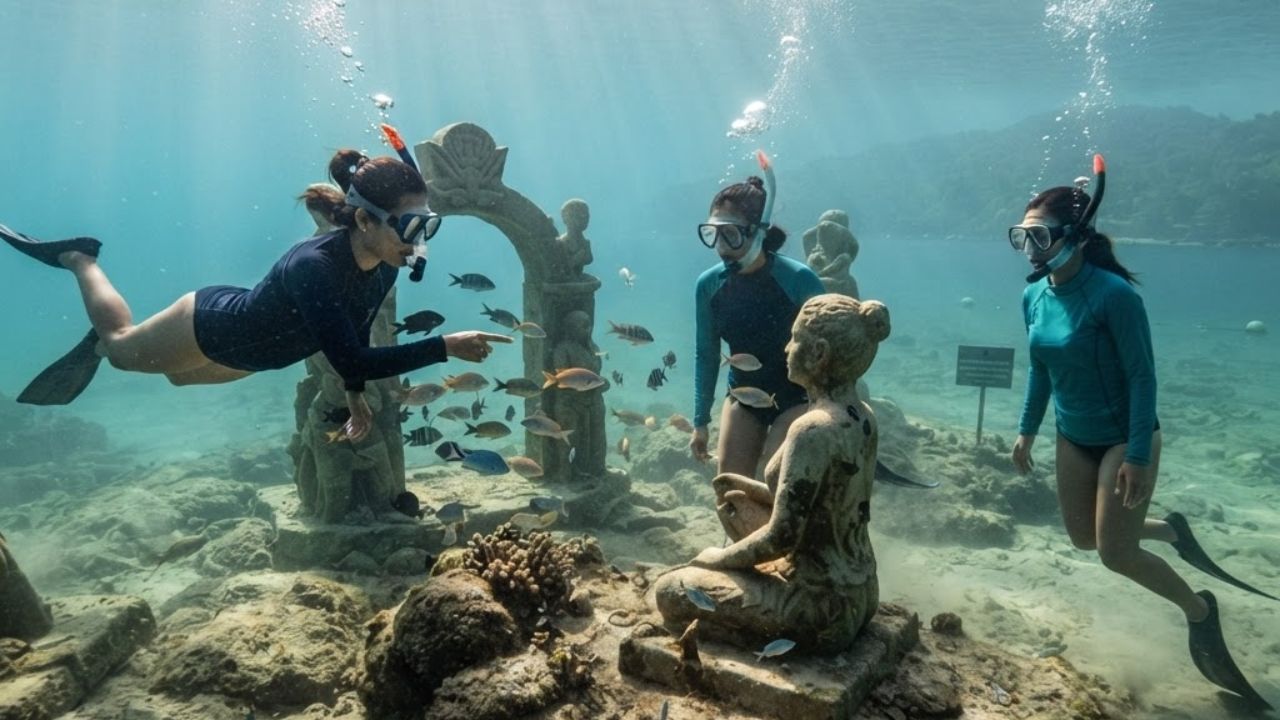
Image generated by AI
Integrating submarine art installations with artificial reef systems, Cambodia’s proposed S.E.A. Ocean Gallery in Kep Province aims to establish Southeast Asia's first conservation-first underwater museum.
The Core Transit Update
Coastal transit corridors, marine charter routes, and dive boat pathways in Cambodia's Kep Province are preparing for environmental zoning modifications. The proposed "S.E.A. Ocean Gallery" is designed as an interdisciplinary underwater tourism hub combining submarine art, marine conservation, and public education.
To manage visitor impacts, the project will implement strict access rules modeled after existing Asia-Pacific underwater galleries. These include Indonesia's Gili Meno "Nest" installation (featuring 48 human figures), the Philippines' Currimao Pinto Underwater Sculpture Museum, and Australia's Museum of Underwater Art on the Great Barrier Reef. The Kep project requires extensive site assessments, environmental permits, and marine-safe materials to verify that the sculptures act as viable substrates for coral colonization without leaking toxins into the Gulf of Thailand.
Underwater Art Galleries & Kep Project Risk Factors
Planning a marine ecotourism excursion requires comparing project locations and understanding environmental mitigation rules. The following tables outline the leading Asia-Pacific underwater art projects and detail the Kep gallery's environmental risk factors.
| Country | Underwater Art Project / Gallery | Stated Regional Location | Stated Conservation & Ecotourism Model |
|---|---|---|---|
| Cambodia | S.E.A. Ocean Gallery (Proposed) | Kep Province | Submerged sculptures & artificial reef habitats |
| Indonesia | Nest Underwater Sculpture | Gili Meno, Lombok | 48 human figures designed for marine growth |
| Philippines | Pinto Underwater Sculpture Museum | Currimao, Ilocos Norte | Submerged artwork linked with reef regeneration |
| Australia | Museum of Underwater Art | Great Barrier Reef, QLD | Art, marine science, & conservation education |
| Maldives | Coralarium Underwater Attraction | Shaviyani Atoll | Resort-based art linked with coral awareness |
| Thailand | Cultural Sculptures & Artificial Reefs | Ko Racha Yai, Phuket | Sculptures combined with habitat development |
| Vietnam | Natural Coral Diving & Marine Tourism | Nha Trang, Phu Quoc, Con Dao | Diving centered on natural coral ecosystems |
Underwater installations and marine tourism models in the Asia-Pacific.
| Stated Project Risk Factor | Stated Environmental / Marine Threat | Primary Regulatory Mitigation |
|---|---|---|
| Marine Habitat Placement | Construction disturbances to seabed | Thorough baseline ecological surveys |
| Material Degradation | Chemical leakage & structure collapse | Use of non-toxic, eco-marine concrete |
| Vessel & Anchor Scrape | Anchor damage to seabed habitats | Installation of fixed mooring buoys |
| Diver & Snorkeller Contact | Direct physical damage to new coral | Enforced visitor capacity limits & trained guides |
Kep Submarine Art Gallery environmental risk assessment.
Traveler Logistics Guide
From a ground-level perspective, the best way to navigate this is to confirm the official operational status of the S.E.A. Ocean Gallery with local marine conservation authorities before traveling to Kep, as construction schedules and environmental permit approvals can lead to temporary access bans. Checking official reports is recommended.
To plan your marine excursions:
- Allow Safe Connecting Windows: The overland drive from Phnom Penh International Airport (PNH) to Kep takes approximately three to four hours. Allow an extra day to coordinate boat bookings and local diving licenses.
- Hire Licensed Dive Operators: Always book your excursions through licensed operators who use permanent mooring buoys instead of dropped anchors, which can shatter fragile artificial structures.
- Observe No-Contact Rules: Under proposed guidelines, swimmers and divers are prohibited from touching the sculptures or standing on the underwater structures.
- Verify Dive Certification Levels: Some deep-water art installations may require advanced open-water dive certification. Keep your physical credentials on hand.
Infrastructure Impact Assessment
The establishment of designated marine zoning boundaries and the installation of permanent mooring buoys protect Kep’s shallow coastal waters and seagrass beds from destructive anchor dragging and diesel fuel pollution.
By directing traveler spending to local community-managed marine zones (supporting artisanal fishing families and local eco-tourism guides), the underwater art project funds maritime patrols, supports local marine biology educational programs, and ensures that the coastal environment remains protected.
Related Travel Guides
Bangkok Room Rates Slip as Phuket Leads Thailand Luxury Hotel Growth
Shravani Mela 2026 Deoghar Travel Tips and Logistics Guide
10 Best Travel Tips for Booking Dive Charters, Navigating Kep Submarine Art Galleries, and Exploring Cambodia's Coast, According to Reddit
Disclaimer
This article is for informational and educational purposes only. It does not constitute legal, financial, or professional advice. While we strive to provide accurate and up-to-date information, travel policies, regulations, and conditions change rapidly. Always verify information with official sources before making travel decisions. Nomad Lawyer makes no representations about the accuracy, reliability, completeness, or suitability of the information provided. Readers should consult qualified professionals for advice specific to their circumstances. The views expressed in this article are those of the author and do not necessarily reflect the views of Nomad Lawyer.