
Tuzluca Rainbow Hills Drive Tourism Growth in Iğdır
The colorful Gökkuşağı Tepeleri (Rainbow Hills) in Tuzluca, Iğdır, emerge as eastern Türkiye's newest geological natural wonder. Read safety and travel updates.
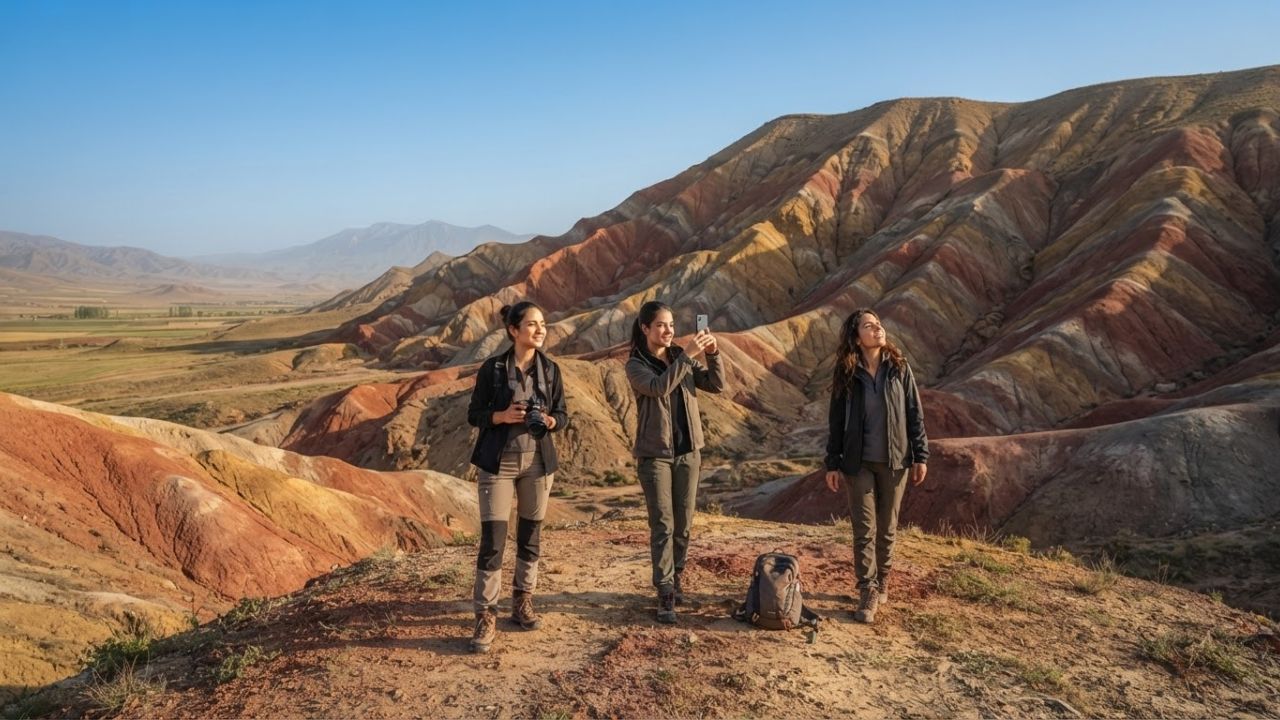
Image generated by AI
Located in the far eastern corner of the country near the Armenian border, the Gökkuşağı Tepeleri or Rainbow Hills in the Iğdır region have emerged on August 15, 2026, as Türkiye’s newest geological natural wonder.
The growing popularity of these colorful formations reflects a wider interest in nature-based travel experiences where visitors seek untouched terrain and remote geographies away from crowded tourism hubs. Formed through ancient natural processes over thousands of years, this geological site in Tuzluca offers a dramatic display of mineral-rich soil layers. Travelers exploring this remote corner of eastern Anatolia can witness a scenery shaped entirely by natural forces. By practicing responsible eco-tourism and supporting local communities, visitors can experience one of the region's hidden treasures while preserving its fragile environmental features.
The emergence of this destination highlights a shift in travel preferences toward geological exploration and outdoor photography. Gökkuşağı Tepeleri provides an environment where nature remains dominant, offering wide views and peaceful surroundings. Navigating the uneven and delicate terrain requires preparation and care, as the soil's unique composition makes it highly susceptible to erosion. For adventurers exploring eastern Türkiye, this site offers a hands-on experience in natural sciences. This sustainable travel model ensures that regional geological heritage is protected while generating economic opportunities for rural areas.
Tuzluca Rainbow Hills Emerge as Eastern Turkey's Newest Geological Attraction
The defining feature of Gökkuşağı Tepeleri is its extraordinary color pattern, showing naturally formed layers of different shades. The hillsides display uneven bands of deep reds, earthy browns, soft grays, and bright yellow tones, creating a natural artwork shaped by long-term mineral deposits. Over centuries, geological activity has exposed these colorful soil layers, allowing them to become visible to the public. The appearance of the terrain changes throughout the day depending on the angle of sunlight, with soft morning tones transitioning to vibrant shades in the afternoon and evening, making it a popular destination for photography.
Beyond their visual appeal, the Rainbow Hills offer a unique geological experience because of their loose soil structure. The ground consists of loose grains that separate easily when touched, highlighting the fragile nature of the formations. Exploring the hills requires visitors to navigate uneven terrain, and ascending the higher slopes requires physical effort. However, the climb rewards travelers with panoramic views of the surrounding countryside, connecting adventure directly with natural discovery.
Photography has played a major role in building awareness of this remote site. Images of the colorful slopes have introduced Gökkuşağı Tepeleri to international audiences, inspiring more nature lovers and researchers to explore Iğdır. Many travelers combine their visit with broader regional journeys, exploring Tuzluca's agricultural areas and historic landmarks. The scarcity of similar colorful geological formations worldwide adds to the importance of the Rainbow Hills, making it a valuable addition to Türkiye's nature tourism sector.
| Geological Zone | Dominant Soil Colors | Soil Composition & Texture | Key Photography & Visit Window |
|---|---|---|---|
| Lower Slopes | Soft grays, light yellow tones | Highly delicate loose grains, subject to runoff | Morning hours for soft, diffused lighting |
| Mid-Altitude Ridges | Earthy browns, deep ochre bands | Stratified mineral layers, compact clay-like zones | Mid-day to observe distinct color banding |
| Upper Peaks | Deep reds, bright yellow tones | Rugged, loose shale and sandstone fragments | Golden hour (sunset) for high-contrast hues |
| Surrounding Tuzluca Valley | Green agricultural fields, flat farmland | Rich alluvial soil, cultivated agricultural zones | Late spring when crops are vibrant green |
Protecting the Fragile Soil Ecosystems and Supporting Tuzluca's Economy
Practicing sustainable tourism is essential when visiting a delicate geological site like Gökkuşağı Tepeleri. Because the colorful soil consists of loose grains that erode easily underfoot, visitors must stay on designated walking paths to minimize their impact on the terrain. Off-trail hiking and climbing on fragile slopes accelerate erosion, destroying the natural layers that took thousands of years to form. By practicing low-impact exploration, travelers participate directly in the conservation of Iğdır’s geological heritage.
Supporting the local economy is another vital component of responsible travel in eastern Türkiye. Tuzluca has historically relied on agriculture and salt mining, and nature tourism provides an important economic lifeline to diversify local income. Travelers should choose to stay in locally owned guesthouses, dine at neighborhood restaurants in Tuzluca, and hire local guides. Purchasing regional agricultural products, such as Tuzluca's famous sweet apricots, ensures that tourism benefits remain within the host community, helping families maintain their traditional livelihoods.
Additionally, visitors can explore the nearby Tuzluca Salt Caves (Tuzluca Tuz Mağarası), supporting local miners and cave conservation initiatives. The revenue generated from guided cave tours and salt product sales directly supports the preservation of these historical sites. By choosing local service providers instead of large international tour operators, travelers ensure that economic redistribution is fair and direct, fostering community pride and sustainable development in the region.
Essential Travel Tips and Cultural Advice for Exploring Iğdır
Navigating the remote terrain of eastern Anatolia requires practical preparation and cultural sensitivity. Travelers visiting the Rainbow Hills should follow these recommendations:
- Select Off-Peak Visit Windows: Plan your trip during late spring (May to June) or early autumn (September to October) when weather conditions are pleasant for hiking. Avoid peak summer heat and winter snows, which can cover the colorful soil.
- Wear Appropriate Hiking Footwear: Choose sturdy, high-traction hiking boots to navigate the loose, uneven soil. Avoid open-toed shoes or footwear with smooth soles, as the steep, sandy slopes can be slippery.
- Respect Fragile Geological Formations: Do not collect soil or rock samples from the hillsides. Keep your footsteps confined to established paths to prevent accelerated erosion and preserve the scenery for others.
- Savor Regional Culinary Specialties: Try authentic local dishes in Iğdır and Tuzluca. Sample regional bozbaş (lamb stew served in clay pots), Iğdır köftesi (stuffed meatballs), sweet Tuzluca apricots, and fresh kete pastries.
- Respect Eastern Anatolian Cultural Traditions: Eastern Turkey is socially conservative. Dress modestly when visiting villages and local markets. Accept invitations to drink Turkish tea (çay) from locals as a gesture of respect and hospitality.
- Carry Essential Sun and Wind Protection: The open terrain of the hills offers no shade. Carry plenty of water, wear sunscreen, and bring a windproof jacket, as the altitude can lead to strong, cool gusts.
The Long-Term Development Outlook for Nature Tourism in Iğdır
The long-term outlook for Iğdır’s tourism sector is supported by its transition toward sustainable, geological travel. Local authorities, in coordination with the Iğdır Provincial Directorate of Culture and Tourism, are working to develop visitor facilities that protect the environment while keeping the hills accessible. The focus is on implementing low-impact pathways, viewing platforms, and educational signage to explain the geological forces that created the Gökkuşağı Tepeleri.
As destination managers search for solutions to manage tourism in crowded urban centers, promoting nature-based travel in remote regions offers a perfectly balanced solution. Promoting the Rainbow Hills preserves a rare geological wonder while redistributing economic benefits directly to the populations of eastern Anatolia. Visitors return home with a heightened appreciation for earth sciences and the importance of habitat preservation, establishing a sustainable travel model that can be adapted worldwide.
Related Travel Guides
Disclaimer
This article is for informational and educational purposes only. It does not constitute legal, financial, or professional advice. While we strive to provide accurate and up-to-date information, travel policies, regulations, and conditions change rapidly. Always verify information with official sources before making travel decisions. Nomad Lawyer makes no representations about the accuracy, reliability, completeness, or suitability of the information provided. Readers should consult qualified professionals for advice specific to their circumstances. The views expressed in this article are those of the author and do not necessarily reflect the views of Nomad Lawyer.