
Bangkok Day Trip: Cultural Heritage and Rice Traditions in Kok Na Sai Village
A day trip from Bangkok to Kok Na Sai Village reveals century-old traditions, Lao Vieng cooking, Jekchoey rice farming, and sacred forest ordination rites.
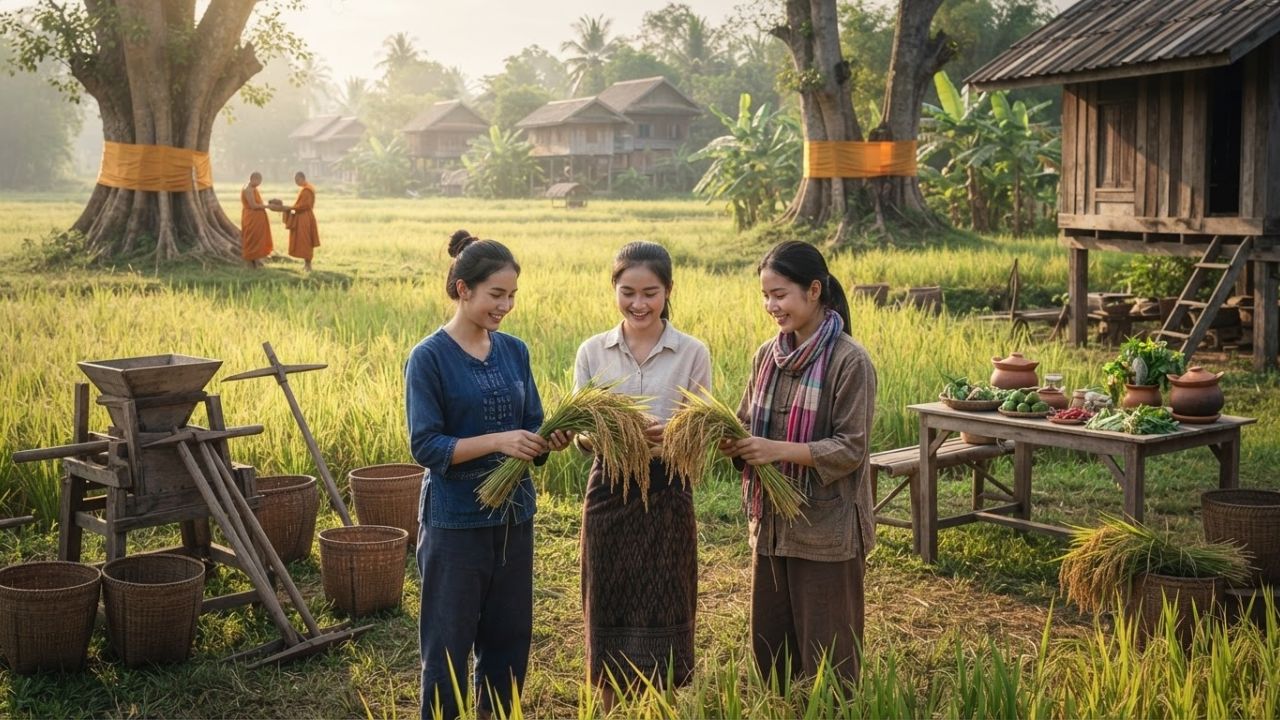
Image generated by AI
Originally founded ten decades ago by Laotian immigrants, a full-day excursion from Bangkok to Kok Na Sai Village on August 15, 2026, highlights Thailand’s growing trend toward sustainable heritage agro-tourism.
Originally founded ten decades ago by Laotian immigrants seeking to construct a self-sustaining community, this century-old settlement has successfully harmonized traditional agricultural preservation with eco-conscious travel. Visitors to the village can participate in traditional Jekchoey rice milling and engage directly with Lao Vieng community cooking workshops. By supporting these local initiatives, travelers help redistribute tourism revenue directly to the rural population. This immersive journey offers a meaningful alternative to commercial city excursions, demonstrating how ancestral wisdom can address modern environmental challenges.
The growth of community-led travel experiences reflects a broader shift in global tourism preferences, where travelers actively seek out meaningful cultural exchanges. Kok Na Sai Village provides a transparent look at agrarian self-reliance, utilizing time-honored mechanical milling methods that preserve the nutritional authenticity of their harvest. For the modern adventurer, visiting this peaceful settlement is an opportunity to slow down and connect with a living cultural legacy. This responsible travel model ensures that regional heritage is protected while supporting the local agricultural economy.
Kok Na Sai Village Preserves Lao Vieng Agriculture Beyond Bangkok
Established precisely a hundred years ago by Laotian immigrants, Kok Na Sai Village has preserved its distinct cultural identity through specialized, heritage-based farming methods. At the center of this agricultural legacy is the cultivation of Jekchoey rice, a grain species of Laotian origin that remains essential to the surrounding regional economy. Local farmers continue to utilize historical mechanical milling methods to process the grain rather than relying on modern industrial machinery. This preservation of traditional agrarian techniques ensures local food security and protects the biodiversity of the surrounding fertile lands.
Travelers are invited to participate directly in these farming activities, gaining a hands-on understanding of how ancient techniques remain resilient against modern commercial agricultural pressures. By observing the traditional husking and milling processes, visitors learn about the village's history of self-reliance and community survival. These interactive experiences are increasingly popular among international tourists who prioritize travel choices that directly support local food systems and rural independence.
The cultural immersion continues in the village kitchens through interactive Lao Vieng culinary workshops. Visitors collaborate closely with local cooks to prepare ancestral dishes using traditional recipes handed down across generations. These workshops serve as dynamic classrooms where indigenous ingredients, historical preparation techniques, and traditional flavors are shared openly. Respected village elders participate as storytellers, sharing oral histories of their Laotian ancestors' triumphs and struggles as meals are prepared and enjoyed together.
| Heritage Activity | Cultural & Practical Significance | Local Community Impact | Sustainable Travel Benefit |
|---|---|---|---|
| Jekchoey Rice Milling | Traditional mechanical processing of Laotian heritage grain | Protects food security, supports local growers | Teaches visitors about sustainable farming and food origins |
| Lao Vieng Cooking Workshops | Ancestral culinary preparation led by village elders | Preserves oral histories, keeps cooking skills active | Promotes intergenerational storytelling and culinary heritage |
| Monastic Tree Ordination | Wrapping ancient trees in sacred saffron robes by monks | Deters logging, creates a sacred environmental shield | Demonstrates faith-based conservation and forest protection |
| Native Craft Weaving | Hand-crafting textiles using native ecosystem materials | Diversifies income, provides fair-trade tourism revenue | Encourages ethical consumerism and supports youth training |
Sacred Buddhist Forest Conservation and Community-Led Eco-Stewardship
Environmental preservation in Kok Na Sai Village is deeply integrated with local spiritual practices, providing a non-invasive model for ecological conservation. During pivotal afternoon ceremonies, revered Buddhist monks perform sacred tree ordination rituals in the surrounding forest. By wrapping selected ancient trees in iconic saffron robes, the monks consecrate the natural flora within the community’s borders. This symbolic act establishes a psychological barrier against deforestation, transforming the trees from mere commercial resources into protected spiritual entities in the eyes of the public.
This community-led conservation method successfully deters illegal logging without relying solely on governmental enforcement or legal warnings. International environmental scholars recognize that faith-based conservation strategies offer a cost-effective, culturally embedded solution to global habitat loss. By witnessing these rituals, travelers are inspired to advocate for similar community-anchored conservation models in their home countries. The sacred forest remains a protected shield, securing local biodiversity from industrial exploitation.
Supporting these environmental initiatives is a key part of practicing responsible tourism. The revenue generated from forest tours and educational workshops is reinvested directly into local infrastructure, schools, and conservation efforts. By respecting the sacred status of the ordained trees and staying on designated paths, visitors help preserve the delicate forest ecosystem. This collaborative framework ensures that local sovereignty is maintained and that conservation is handled respectfully and accurately.
Practical Travel Tips and Cultural Guidelines for Visiting Kok Na Sai
Visiting a traditional rural village requires cultural sensitivity and practical preparation. To ensure a respectful and rewarding experience, travelers should follow these local guidelines:
- Plan Around Off-Peak Windows: Visit during the cool, dry season from November to February, when temperatures are milder and walking tours are more comfortable. This period also coincides with the traditional rice harvest season.
- Respect Monastic and Sacred Sites: Dress modestly when entering village temples or participating in tree ordination ceremonies, ensuring shoulders and knees are covered. Do not touch or disturb the saffron robes wrapped around ordained trees.
- Support the Local Economy Directly: Purchase Jekchoey rice, handmade textiles, and local crafts directly from village artisans and agricultural cooperatives to ensure fair-trade economic redistribution.
- Savor Local Culinary Specialties: Participate in cooking workshops to learn how to prepare authentic dishes. Enjoy Jekchoey rice paired with traditional Lao Vieng herbal soups, spicy salads, and heritage dishes.
- Follow Local Etiquette and Traditions: Remove your shoes before entering local homes or temple structures. Always ask for permission before taking photographs of village elders, monks, or weavers.
- Participate in Reciprocal Learning: Engage in dialogue with community leaders and storytellers. Listen respectfully to the oral histories shared by village elders during culinary and craft workshops.
Sustainable Agro-Tourism Outlook and Economic Self-Reliance
The long-term outlook for Kok Na Sai Village is supported by its integration of agrarian heritage into day-to-day tourism, creating a vital economic lifeline for the rural population. Agro-tourism initiatives allow villagers to diversify their income streams without abandoning their historical occupations or selling ancestral lands to commercial developers. By transforming agricultural labor into an educational asset, the community retains control over how its history and identity are represented to the global community.
As destination management organizations search for solutions to over-tourism in major cities, promoting full-day cultural immersions in nearby rural areas offers a balanced alternative. This model preserves precious cultural assets while redistributing economic benefits directly to indigenous and rural populations. Visitors return to Bangkok with a renewed perspective on how rural communities can successfully sustain their legacy despite modern economic pressures, fostering international empathy and global cultural pride.
Related Travel Guides
Disclaimer
This article is for informational and educational purposes only. It does not constitute legal, financial, or professional advice. While we strive to provide accurate and up-to-date information, travel policies, regulations, and conditions change rapidly. Always verify information with official sources before making travel decisions. Nomad Lawyer makes no representations about the accuracy, reliability, completeness, or suitability of the information provided. Readers should consult qualified professionals for advice specific to their circumstances. The views expressed in this article are those of the author and do not necessarily reflect the views of Nomad Lawyer.