
Turkey Launches Massive Marine Protection Initiative in Antalya to Safeguard Blue Flag Beaches and Enhance Sustainable Coastal Tourism: New Travel Alert
Discover Antalya's new environmental strategy featuring river barriers and mechanical cleanups to protect the Mediterranean and support sustainable coastal tourism.

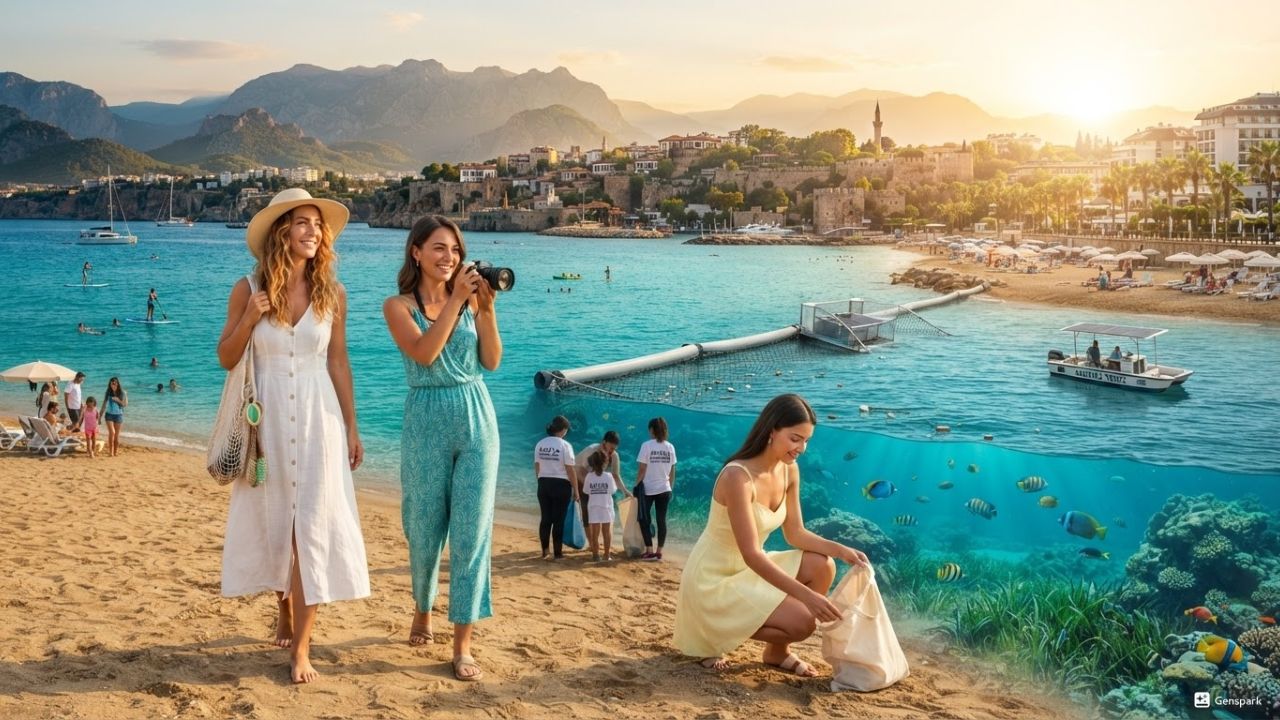
Image generated by AI
Published on July 26, 2026
Antalya has announced a comprehensive environmental strategy designed to protect its Mediterranean coastline from the growing threat of marine plastic pollution. By introducing a preventative network of river-based interception barriers and advanced mechanical cleanup technologies, the regional government aims to capture floating waste before it enters open waters. The initiative is critical to safeguarding the city's internationally recognized Blue Flag beaches and securing the economic future of sustainable coastal tourism along the Turkish Riviera.
Quick Summary
- River Interception: Installing protective physical barriers across river mouths to capture floating plastic before it reaches the sea.
- Mechanical Cleanups: Deploying specialized mechanical collection systems in marinas, fishing harbors, and coastal facilities.
- Blue Flag Security: Protecting Antalya's massive concentration of eco-certified Blue Flag beaches to maintain its elite status.
- Ecosystem Protection: Safeguarding Mediterranean fish populations, seabirds, and sea turtles from microplastic fragmentation.
- Community Campaigns: Enhancing public awareness to reduce single-use plastic consumption among residents, visitors, and hotels.
Context and Background: Protecting the Mediterranean and Advancing Sustainable Coastal Tourism
Subtropical coastal destinations depend heavily on pristine marine environments and high sanitation standards to attract international visitors. According to administrative standards compiled by the Foundation for Environmental Education to monitor coastal quality, maintaining eco-certification requires continuous investment in water monitoring, waste handling, and beach safety. If a region's marine ecosystem degrades due to plastic waste, it directly impacts the destination's competitiveness and long-term viability.
This preventative conservation strategy matches environmental rules monitored by the Ministry of Environment, Urbanisation and Climate Change to prevent industrial discharges and coastal littering. Because Mediterranean currents can carry plastic waste across national borders, local efforts must be supported by international environmental standards. For Antalya Province, establishing upstream river-based barriers is central to its sustainable coastal tourism plan, intercepting debris before it breaks down into toxic microplastics.
Event and Incident Details: The River Interception System and Sustainable Coastal Tourism Strategy
Antalya's marine conservation program combines preventive infrastructure with modern coastal cleanups in a single, coordinated framework.
Antalya Marine Protection and Coastal Tourism Matrix:
| Environmental Strategy | Technical Implementation Area | Expected Tourism & Ecological Impact |
|---|---|---|
| River Barrier System | Protective nets across river mouths | Captures floating debris before entering the sea |
| Marine Cleanup Tech | Mechanical collectors in marinas & harbors | Eases manual cleaning and protects harbors |
| Coastal Monitoring | Continuous regional coastline tracking | Identifies plastic hotspots to direct cleanup |
| Blue Flag Preservation | Water quality checks & waste systems | Maintains Antalya's elite international reputation |
| Community Campaigns | Reduced single-use plastic education | Encourages responsible disposal by local businesses |
Rivers represent the primary pathway through which urban waste reaches the Mediterranean. By positioning barriers at key river mouths, authorities reduce the operational burden on beachfront cleanup crews.
Ecological and Business Benefits of Cleaner Coastlines:
| Tourism Asset Segment | Environmental Sourcing Goal | Marine Ecosystem Protections |
|---|---|---|
| Blue Flag Beaches | High environmental standard badges | Safeguards sandy shorelines from microplastics |
| Clear Coastal Waters | Enhances snorkeling, sailing & diving | Prevents plastic fragments from entering food chains |
| Local Hospitality | Supports hotels, resorts & restaurants | Minimizes shoreline litter to secure bookings |
| Nature Tourism | Protects fish, seabirds & sea turtles | Promotes long-term destination economic resilience |
A clean marine environment directly benefits local businesses, including hotels, diving centers, marinas, and beachfront restaurants, by offering visitors high-quality nature-based recreation.
Risk and Impact: Sea Current Trash, Microplastics, and Wildlife Risks
Despite the deployment of advanced cleanups, coastal travelers and local ecosystems face specific environmental challenges:
- Trans-Border Current Debris: Ocean currents can carry plastic waste from other Mediterranean regions onto Antalya's beaches.
- Microplastic Fragmentation Risks: Sun exposure and wave action break larger plastics into microscopic particles that enter marine food chains.
- Local Wildlife Trapping: Floating nets and plastic loops present immediate physical hazards to sea turtles and seabirds.
- Harbor Accumulation Bottlenecks: Marinas and quiet coves can act as natural collection points for windblown debris, requiring frequent mechanical sweeps.
- Seasonal Waste Volume Spikes: High visitor numbers during the peak summer holiday season put extra pressure on local recycling systems.
What Environment Directors and Marine Biologists Are Saying
Environment directors confirm that stopping plastic at river mouths is far more cost-effective than attempting to retrieve it once dispersed in open waters. Marine scientists warn that microplastics present long-term ecological risks that can threaten regional fisheries and public health. Tourism planners state that as international travelers increasingly prioritize sustainability, clean beaches will serve as a primary competitive advantage for Mediterranean resorts.
Practical Traveler Advice: Supporting Beach Protection in Antalya
For travelers planning a beachfront holiday along Antalya's coastline, travel advisors recommend the following tips:
- Favor Blue Flag Certified Beaches: Swim at beaches that display the Blue Flag logo, ensuring regular water quality checks and safety services.
- Minimize Single-Use Plastics: Carry reusable water bottles and canvas tote bags to reduce local landfill waste.
- Participate in Local Shoreline Cleanups: Join community-led beach cleaning events organized by local hotels and conservation groups.
- Dispose of Waste Responsibly: Use designated recycling bins at marinas and public parks to prevent windblown litter.
- Support Eco-Conscious Tour Operators: Choose diving centers and boat charters that actively practice responsible marine tourism.
Broader Context: Mediterranean Basin Challenges
Marine plastic pollution is a complex challenge across the Mediterranean Sea due to its semi-enclosed geography and dense coastal populations. Because water exits the basin slowly through the Strait of Gibraltar, accumulated plastics remain trapped, creating a pressing need for coordinated regional action. Antalya's proactive river barrier network serves as a model for other Mediterranean provinces, showing how local engineering can help protect shared global waters.
Looking Ahead: Advanced Interceptor Networks and Sustainable Goals
Looking forward, Antalya's regional authorities will expand the river barrier network to cover all major waterways discharging along the province's coastline. Planners will monitor mechanical waste volumes weekly to optimize collection schedules and identify seasonal pollution trends. By combining practical engineering with community education, the city aims to secure its coastal ecosystem and support sustainable tourism development for decades to come.
Conclusion: Safeguarding the Turkish Riviera
Ultimately, Antalya's marine protection drive shows that active environmental management is essential to secure the future of coastal tourism. Intercepting waste at the source protects both marine biodiversity and the resort economy. Planning your beachfront stay at certified eco-friendly properties will guarantee a sustainable and memorable Mediterranean holiday.
FAQ: Antalya Marine Protection Drive
What is the goal of Antalya's new marine protection program?
The initiative focuses on reducing plastic pollution along the Mediterranean coast by utilizing river barriers, mechanical cleanups, and public awareness campaigns.
How do the river barriers prevent marine pollution?
The barriers are positioned across river mouths to capture floating plastic debris and urban waste before it enters the sea.
What are Blue Flag beaches?
Blue Flag beaches are coastal zones that meet strict international standards for water quality, environmental management, safety, and education.
How can travelers help protect Antalya's coastline?
Travelers can reduce single-use plastic, use public recycling bins, support certified eco-friendly operators, and choose Blue Flag beaches for recreation.
Related Travel Guides
- China and Uzbekistan Reveal Four-Thousand-Year Sapallitepa Discovery, Redefining the Origins of Ancient Silk Production in Central Asia: New Travel Alert
- Hong Kong Disneyland Expands Weather-Responsive Guest Services to Counter Summer Heat and Elevate Theme Park Comfort: New Travel Alert
- Vietnam Introduces New E-Visa System Upgrades to Simplify Entry Procedures and Boost International Tourist Arrivals: New Travel Alert
Suggested SEO Metadata & Assets
- Meta Title: Antalya Marine Protection: Blue Flag Guide
- Meta Description: Antalya launches its Mediterranean marine protection drive. Learn about river barriers, mechanical cleanups, and sustainable coastal tourism.
- URL Slug: turkey-antalya-mediterranean-marine-protection-blue-flag-2026
- Tags:
Antalya beaches,Antalya Province,antalya tourism,beach protection,Blue Flag Beaches - Featured Image Alt Text: A beautifully arranged gourmet meal served on a luxury table setting, representing premium resort dining and sustainable beachfront hospitality.
Disclaimer
This article is for informational and educational purposes only. It does not constitute legal, financial, or professional advice. While we strive to provide accurate and up-to-date information, travel policies, regulations, and conditions change rapidly. Always verify information with official sources before making travel decisions. Nomad Lawyer makes no representations about the accuracy, reliability, completeness, or suitability of the information provided. Readers should consult qualified professionals for advice specific to their circumstances. The views expressed in this article are those of the author and do not necessarily reflect the views of Nomad Lawyer.
Kunal K Choudhary
Co-Founder & Contributor
A passionate traveller and tech enthusiast. Kunal contributes to the vision and growth of Nomad Lawyer, bringing fresh perspectives and driving the community forward.
Learn more about our team →