
Tunisia Marine Heatwave 2026: Gulf of Gabès Water Temperatures Exceed 30°C
Marine temperatures in Tunisia's Gulf of Gabès surged above 30°C in July 2026, threatening fisheries and coastal ecosystems in a region supporting 23% of the nation's tourism beds.

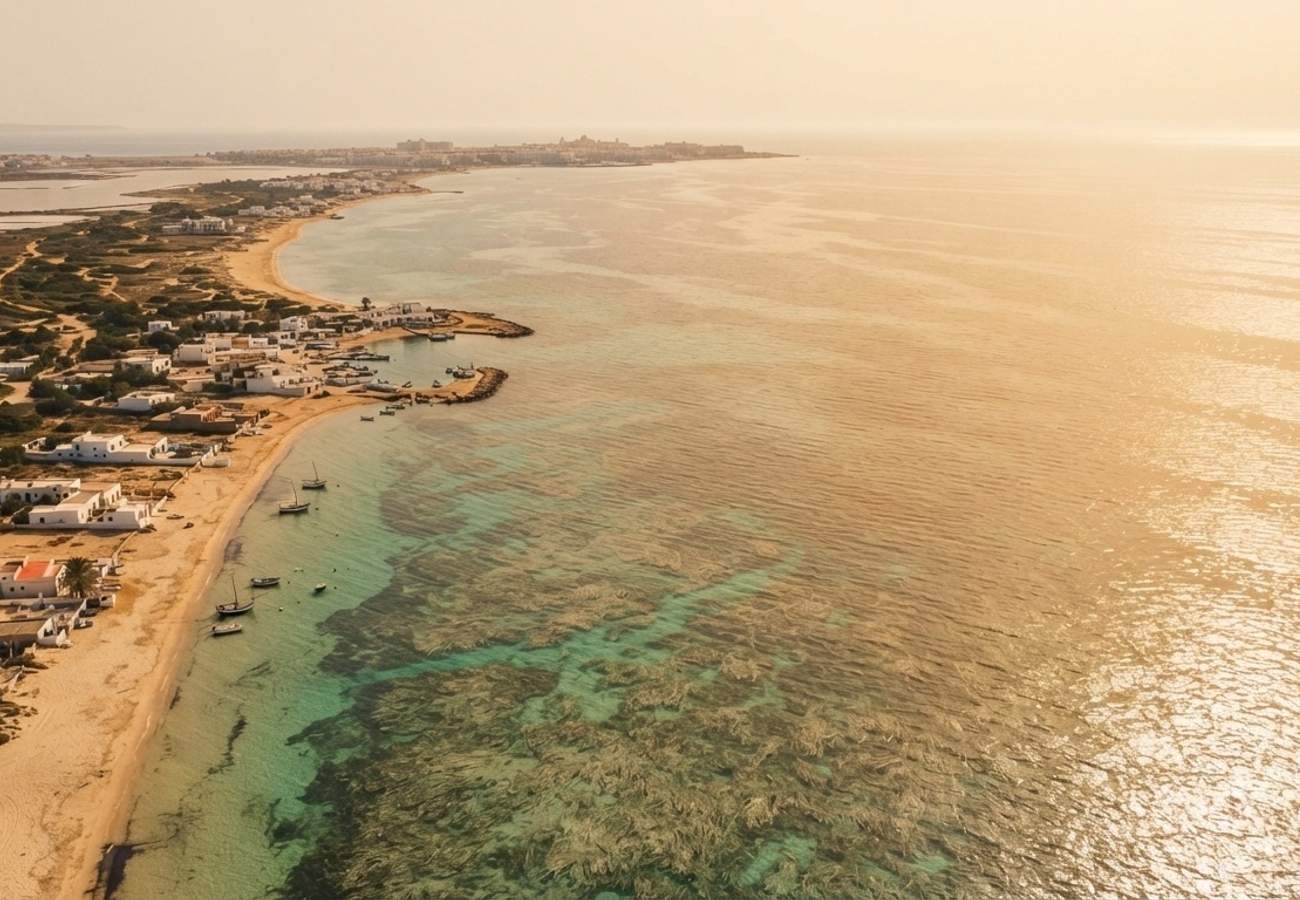
Image generated by AI
Marine temperatures in Tunisia’s Gulf of Gabès surged above 30°C in July 2026, signaling a significant ecological stress event. While immediate tourism operations remain unaffected, the warming threatens the long-term viability of fisheries and coastal biodiversity.
Exceptional Marine Warming Across the Mediterranean
Tunisia’s marine research authorities have confirmed that seawater temperatures in the Gulf of Gabès exceeded 30°C during July 2026, with peak observations reaching approximately 34°C. This is a distinct marine phenomenon, separate from atmospheric air temperatures.
The situation is part of a broader regional crisis. As of 1 August 2026, the average sea surface temperature across the Mediterranean basin was 27.3°C. Data indicates that approximately 65.8% of the Mediterranean was experiencing marine heatwave conditions on that date.
Global trends mirror this regional spike; the average June 2026 sea-surface temperature outside polar regions hit 20.86°C, the highest June level ever officially recorded. While forecast data for 1 August suggested a decrease in the overall area and strength of the heatwave, moderate-to-strong conditions persisted in several sectors.
Ecological Vulnerability of the Gulf of Gabès
The Gulf of Gabès is an environmentally sensitive zone characterized by shallow waters, coastal oases, and extensive Posidonia seagrass meadows. These meadows are vital for stabilizing sediment and serving as nurseries for commercially important fish and molluscs.
This warming event does not occur in a vacuum. The region has faced chronic environmental pressures, including:
- Industrial pollution and phosphogypsum discharge.
- Overfishing and illegal bottom trawling.
- Habitat deterioration.
Our analysis of historical data shows a 44% decline in fishing productivity in the Gulf between 2000 and 2015. The 2026 heatwave compounds these existing stressors, placing further strain on an already depleted ecosystem.
Economic Exposure: Tourism and Fisheries
The economic stakes for southern Tunisia are substantial. The Djerba–Zarzis–Gabès corridor is a primary driver of the national tourism industry.
Regional Infrastructure and Employment
- Accommodation Capacity: In 2023, the region recorded 53,114 beds, representing approximately 23% of Tunisia’s total 230,726 registered tourism beds.
- Establishments: The area hosts 150 accommodation establishments.
- National Impact: Coastal tourism and fisheries support approximately 450,000 jobs nationwide.
- GDP Contribution: Tunisia’s blue economy contributed nearly 14% of the national economic output in 2018.
- Demographics: Over 66% of the population (roughly 7.6 million people) reside in coastal areas.
Marine Temperature and Tourism Impact Data
| Category | Verified Figure / Development | Meaning for Travel & Tourism |
|---|---|---|
| Gulf Water Temp | Above 30°C (July 2026), peaks near 34°C | Exceptional marine warmth in Tunisian waters |
| Mediterranean Avg | ~27.3°C (1 August 2026) | Tunisia is part of a basin-wide event |
| Heatwave Coverage | Approximately 65.8% of Mediterranean | Broad ecological exposure across the region |
| Regional Beds | 53,114 beds (2023) | High concentration of tourism infrastructure |
| Regional Share | ~23% of Tunisia's total beds | Critical importance of Djerba–Zarzis–Gabès |
| Fishing Decline | 44% drop (2000–2015) | Baseline vulnerability prior to 2026 event |
| Coastal Population | >66% of Tunisia's population | High national dependence on sea resources |
| Total Employment | ~450,000 jobs (National) | High economic stakes for coastal stability |
Operational Status for Travelers
For those currently visiting or planning trips to Gabès, Djerba, or Zarzis, there are no immediate restrictions.
- Beach Access: As of 4 August 2026, no general bathing bans or beach closures have been issued.
- Travel Logistics: There are no changes to air travel or border control protocols.
- Water Safety: While the water is warmer, safety depends on bacterial levels and currents rather than temperature.
However, those engaging in diving, snorkeling, or recreational fishing may notice changes. Prolonged warmth can alter fish migration patterns and damage seagrass, potentially impacting the underwater scenery and wildlife observation quality.
Why This Matters: Industry Implication
From a logistical and economic perspective, this is not a "beach weather" story; it is a supply chain and asset valuation story. For travelers on these routes, the immediate impact is negligible, but for the hospitality sector, the risk is structural.
The Djerba–Zarzis–Gabès region relies on the "reputation of the marine environment" to attract high-value tourism. If marine heatwaves lead to increased algal blooms or a collapse in local seafood availability, the luxury appeal of these resorts diminishes. Furthermore, since 66% of the population lives on the coast, any significant failure in the fisheries sector creates socio-economic instability that can indirectly affect tourism safety and service quality.
Forward Outlook
Market trends suggest a transition toward "climate-adaptive tourism." We expect Tunisian authorities to increase the use of the toxic plankton monitoring network (active since 1995) to prevent health crises.
The critical metric to watch over the next 12 months will be the recovery rate of the Posidonia seagrass. If these meadows fail, the Gulf of Gabès will lose its natural defense against coastal erosion, potentially leading to physical damage to beachfront resorts and a permanent decline in local fish stocks.
The intersection of ecological fragility and economic dependence makes the Gulf of Gabès a bellwether for Mediterranean coastal resilience.
Related Travel Guides
Disclaimer
This article is for informational and educational purposes only. It does not constitute legal, financial, or professional advice. While we strive to provide accurate and up-to-date information, travel policies, regulations, and conditions change rapidly. Always verify information with official sources before making travel decisions. Nomad Lawyer makes no representations about the accuracy, reliability, completeness, or suitability of the information provided. Readers should consult qualified professionals for advice specific to their circumstances. The views expressed in this article are those of the author and do not necessarily reflect the views of Nomad Lawyer.
Preeti Gunjan
Contributor & Community Manager
A passionate traveller and community builder. Preeti helps grow the Nomad Lawyer community, fostering engagement and bringing the reader experience to life.
Learn more about our team →