TTW Reveals Top 30 Shopping Travel Destinations in the Americas and Caribbean for Your 2026 Bucket List

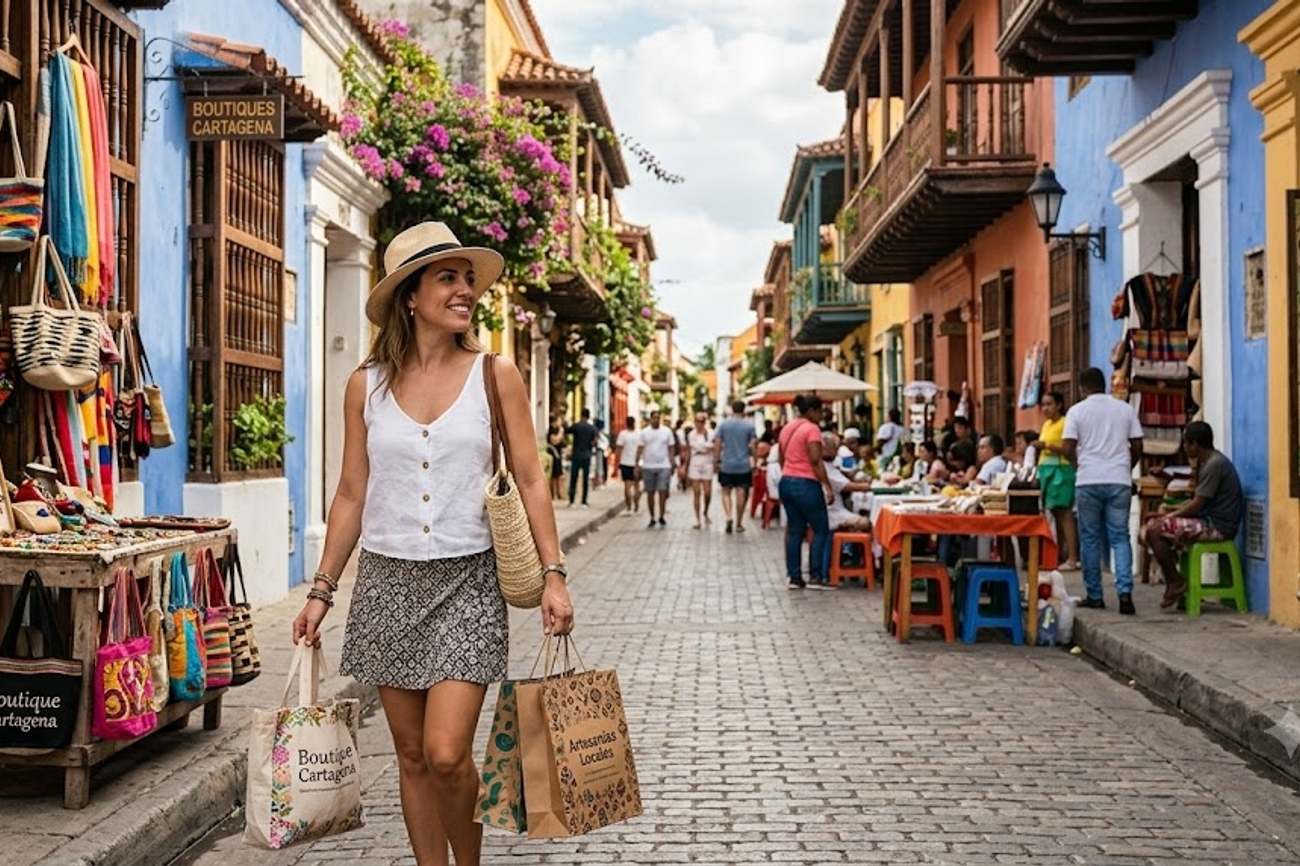
Image generated by AI
[New York, May 2026] — New York City has secured the top spot as the premier shopping destination in the Americas and Caribbean for 2026, according to a comprehensive editorial ranking by Travel And Tour World (TTW). The ranking identifies the city as the global leader in retail travel, outpacing major hubs across North, Central, and South America by blending high-end luxury with neighborhood-level creative retail.
The TTW assessment analyzed 30 distinct destinations, evaluating them on a spectrum of criteria including the presence of luxury fashion, the strength of independent labels, the accessibility of traditional artisan markets, and the integration of digital technology within physical stores. The report signals a fundamental shift in traveler behavior for 2026, noting that shopping is no longer a secondary activity but a primary driver of destination selection, where visitors seek "responsible purchasing" and products that reflect the cultural identity of the region.
The Shift Toward Experiential Retail
The 2026 retail landscape is defined by a transition from simple consumption to "destination discovery." Travelers are increasingly bypassing generic global brands in favor of independent designers, neighborhood boutiques, and craftsmanship that tells a local story. This evolution is driving growth in artisan markets and specialized retail districts that connect the act of buying with the creative identity of the host city.
According to Anup Kumar Keshan, Founder and Editor-in-Chief of Travel And Tour World, the diversity of these markets provides a narrative of the location. While New York represents a mix of global scale and local creativity, other top-tier cities like São Paulo and Mexico City are being recognized for their ability to showcase national design confidence and generational craftsmanship.
Technological integration is also a primary driver of this trend. The report highlights the rise of "phygital" environments—stores that blend physical browsing with digitally enhanced, personalized experiences. This allows travelers to access the history and provenance of a product via digital interfaces while physically interacting with the item in a boutique.
Regional Market Breakdown
The ranking spans four major geographic zones, highlighting a wide variety of retail environments from the massive shopping malls of the United States to the jewelry-centric streets of the Caribbean.
Top 10 Global Retail Hubs (Americas & Caribbean)
| Rank | Destination | Country/Territory | Primary Retail Strength |
|---|---|---|---|
| 1 | New York City | United States | Luxury flagships & SoHo boutiques |
| 2 | Toronto | Canada | Multicultural retail & Canadian design |
| 3 | São Paulo | Brazil | Brazilian flair & independent labels |
| 4 | Mexico City | Mexico | Contemporary style & artisan crafts |
| 5 | Buenos Aires | Argentina | European influence & local leather |
| 6 | Los Angeles | United States | Streetwear & high-fashion districts |
| 7 | Miami | United States | Luxury imports & beachwear |
| 8 | Chicago | United States | Department stores & urban retail |
| 9 | Las Vegas | United States | High-end resorts & themed malls |
| 10 | Panama City | Panama | Duty-free hubs & regional trade |
Secondary Tier and Specialized Markets (Ranks 11-30) The wider list includes major North American cities such as Montréal, San Francisco, Vancouver, Orlando, Honolulu, Dallas, and Houston. South American representation is strong with Santiago, Bogotá, Rio de Janeiro, and Lima.
Travelers planning visits to these top shopping hubs should coordinate their arrivals through major regional gateways to ensure seamless transit. For those heading to North American destinations, the U.S. Customs and Border Protection provides essential guidelines on duty-free allowances and import regulations for luxury goods.
The Caribbean sector is highlighted as a specialized market where retail is integrated into the leisure experience. Key destinations include:
- Puerto Rico: San Juan
- US Virgin Islands: Charlotte Amalie
- Sint Maarten: Philipsburg
- The Bahamas: Nassau
- Aruba: Oranjestad
- Barbados: Bridgetown
- Dominican Republic: Santo Domingo
In these island capitals, the retail focus shifts toward high-value jewelry, locally inspired crafts, and visitor-oriented boutiques that serve as a core component of the vacation experience.
Practical Traveler Advisory and Strategic Insights
For the modern traveler, these findings indicate that planning a trip around "shopping" now requires a more nuanced approach than simply visiting a mall. The 2026 trend favors "curated discovery."
For the Luxury Shopper: The concentration of power remains in New York City and Toronto. Travelers should look beyond the main avenues—such as Fifth Avenue in NYC or Bloor-Yorkville in Toronto—and seek out "concept shops" and pop-up stores that offer limited-edition items not available in standard retail chains.
For the Budget and Vintage Hunter: The report emphasizes that affordability is now a key metric of a destination's success. In New York, this means targeting Williamsburg and various flea markets. In Toronto, the focus shifts to Kensington Market and Queen Street West. Travelers are encouraged to seek out "sample sales" and independent vintage shops to find high-quality goods at lower price points.
For the Cultural Explorer: The rise of Mexico City and São Paulo as top-five destinations suggests a growing demand for "craftsmanship travel." Visitors to these cities should prioritize artisan markets and home-grown labels that utilize regional materials (such as Brazilian leather or Mexican textiles) to ensure their purchases have cultural authenticity.
Caribbean destinations on the list continue to integrate sustainable tourism initiatives to balance high-end retail growth with environmental preservation. Visitors can find official travel advisories and entry requirements via the Caribbean Tourism Organization to streamline their 2026 itinerary planning.
For the Caribbean Visitor: Retail in the Caribbean is increasingly about "meaningful dimensions." Travelers should look for locally inspired products and traditional crafts in places like Charlotte Amalie or Nassau, rather than relying solely on imported luxury goods.
The Future of Retail Tourism
As we move further into 2026, the interaction between the World Tourism Organization (UNWTO) standards for sustainable travel and retail habits is expected to tighten. The "responsible purchasing" mentioned in the TTW report suggests that travelers will increasingly vet the ethical origins of their purchases.
Expect to see more destinations implementing "digital passports" for luxury goods, allowing buyers to track the authenticity and origin of a piece of jewelry or a designer bag from a boutique in São Paulo or New York. Furthermore, the integration of retail into the broader tourism ecosystem means that city planners are likely to invest more in pedestrian-friendly "shopping districts" that prioritize the visitor experience over mere transaction volume.
The continued dominance of New York City is attributed to its ability to act as a "retail laboratory," where global trends are tested in neighborhood settings before spreading to the rest of the world. Toronto's rise to the number two spot reflects the growing appeal of multiculturalism in retail, where a single city can offer a global shopping experience.
FAQ: Americas Shopping Travel 2026
Which city is currently the best for luxury shopping in the Americas? New York City holds the top rank for 2026, offering a comprehensive mix of global flagships on Fifth Avenue and Madison Avenue, alongside high-end boutiques in SoHo and Chelsea.
Where can I find the best artisan and handcrafted goods? Mexico City and São Paulo are the primary hubs for craftsmanship. Mexico City is noted for connecting contemporary style with generational artisan work, while São Paulo is a leader in adventurous Brazilian design.
What are the best shopping areas for budget-conscious travelers in North America? In New York, focus on flea markets, vintage shops, and Williamsburg. In Toronto, Kensington Market and Queen Street West provide a variety of affordable and creative finds.
How is shopping changing for Caribbean tourists in 2026? Retail has evolved from simple souvenir buying to an experiential activity. Destinations like Nassau and Bridgetown now emphasize jewelry, local crafts, and products that reflect the island's specific cultural identity.
The map of global retail has shifted—the 2026 traveler buys a story, not just a product.
#NYC-Retail2026 #TorontoShopping #SaoPauloDesign #CaribbeanRetail #TTWRankings #AmericasTravel2026
Related Travel Guides
- Hundreds Of Passengers Affected Throughout Europe As Frankfurt, Paris, And 10 More Airports Face 1,601 Delays And 60 Cancellations, Disrupting Air Travel
- Bolivia Medical Travel Insights, Analyzing Legal Frameworks For Cross-Border Surgery In Cochabamba And Santa Cruz, All You Need To Know
- The Zetter Collection to Open First European Hotel in Amsterdam in Early 2027
This article is for informational purposes. Flight routes, passenger regulations, visa rules, and transit advisories are subject to change by airlines and aviation authorities. Readers are advised to verify schedules and travel documentation with relevant carriers and border agencies before departure.
Related Stories

European Mass Protests Disrupt Travel Across France, Italy, Belgium, and Turkey in 2026

Israel Tourism Recovery 2026: North American Flight Restorations and New ETA-IL Entry Rules