
Bolivia Medical Travel Insights, Analyzing Legal Frameworks For Cross-Border Surgery In Cochabamba And Santa Cruz, All You Need To Know
Bolivia Medical Travel Insights, Analyzing Legal Frameworks For Cross-Border Surgery In Cochabamba And Santa Cruz, All You Need To Know

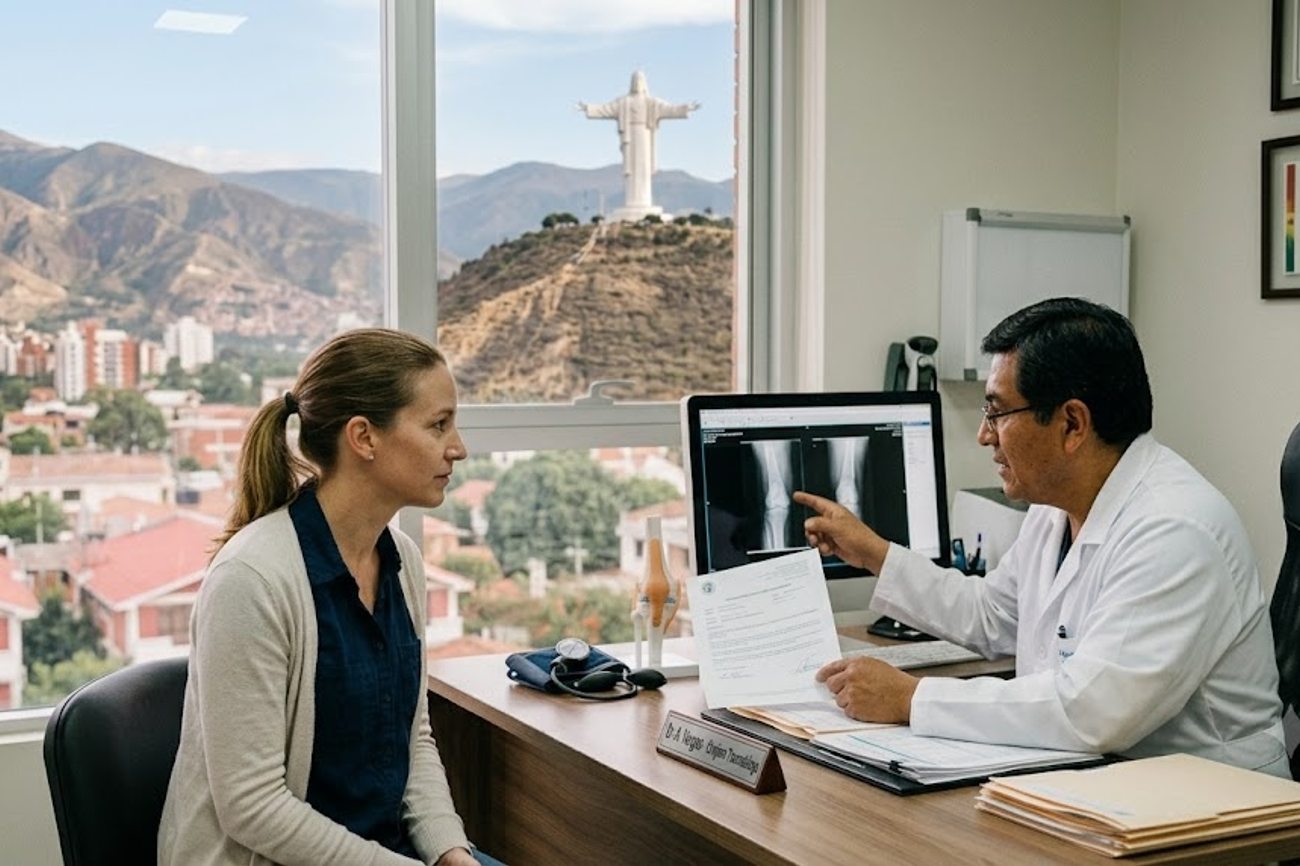
Image generated by AI
[La Paz, October 2023] — Foreign patients seeking low-cost medical procedures in Bolivia are operating within a high-risk legal vacuum where domestic malpractice laws make it nearly impossible for international claimants to secure compensation. While the country offers affordable elective surgeries and organ transplants, the intersection of porous borders and strict jurisdictional laws leaves travelers with virtually no legal recourse if a procedure goes wrong.
The crisis centers on the application of lex loci delicti commissi, a legal principle ensuring that medical negligence is judged solely by the laws of the place where the injury occurred. For patients traveling to hubs like Santa Cruz de la Sierra, Cochabamba, and La Paz, this means that courts in their home countries—including the U.S. and EU—lack jurisdiction over Bolivian doctors. If a patient suffers a catastrophic failure during surgery, they cannot sue the practitioner in their home court; they must navigate the protracted and complex Bolivian legal system.
Regulatory Failures in Organ Procurement
Bolivia maintains a strict legal facade against the sale of human organs. Under Ley No. 1716 de Donación y Trasplante de Órganos, Células y Tejidos, the commercialization of biological tissues is prohibited. This 1996 law, supported by Supreme Decree No. 24513, mandates that all donations be altruistic and voluntary. To prevent black-market activity, living donations are legally restricted to relatives within the fourth degree of consanguinity or second degree of affinity.
However, the Ministerio de Salud y Deportes faces systemic challenges in enforcing these rules. The Programa Nacional de Trasplante de Órganos y Tejidos (PNTOT) manages waiting lists, but the reality on the ground differs in private clinics. High socioeconomic disparities create incentives for illegal, unrelated organ donations. These transactions are frequently masked as altruistic acts through the use of declaraciones juradas—falsified sworn statements designed to deceive national regulators.
The risk is compounded by Bolivia's geography. Porous land borders at Bermejo (bordering Argentina) and Puerto Suárez (bordering Brazil) allow for the covert movement of patients and donors with minimal immigration tracking, facilitating a shadow economy of transplant tourism that bypasses official oversight.
High-Risk Medical Markets
The demand for "medical tourism" in Bolivia is driven by the lower cost of elective procedures and a perceived lack of restriction compared to Western medical boards. This has created a thriving, yet dangerous, market in three primary sectors:
- Aesthetic and Cosmetic Surgery: Concentrated in Cochabamba and Santa Cruz de la Sierra, where boutique clinics often operate with minimal oversight.
- Experimental Regenerative Medicine: The use of unverified stem cell interventions that bypass standard pre-market evaluations.
- Organ Transplants: High-risk procedures sought by those unable to access legal organs in their home countries.
The regulatory gap is largely administrative. The Servicios Departamentales de Salud (SEDES) are responsible for licensing these facilities, but chronic budget shortages and staffing deficits mean that inspections are irregular. This allows unaccredited clinics to operate as if they were fully licensed.
Furthermore, the Agencia Estatal de Medicamentos y Tecnologías en Salud (AGEMED) is tasked with regulating pharmaceuticals and medical devices. Despite this mandate, off-label treatments and unvalidated biological materials frequently enter private clinics without the rigorous scrutiny required by national law.
What This Means for Travelers
For a passenger booking a flight to Bolivia for a medical procedure, the corporate brochures and clinic promises mask three critical risks:
- The "Liability Waiver" Trap: Many clinics provide informed consent forms that are actually broad liability waivers. Because these documents are often written exclusively in Spanish without certified translations, foreign patients frequently sign away their right to sue without realizing it.
- Zero Home-Country Recourse: If a surgery fails, you cannot return home and file a lawsuit in your local court. The Bolivian medical practitioner is protected by national sovereignty; the case must be fought in Bolivia.
- The Burden of Proof: Under Artículo 299 of the Código Penal Boliviano, a patient must prove "gross recklessness" (culpa grave) or criminal intent to secure a conviction for medical negligence. This is a significantly higher bar than the "standard of care" used in U.S. or European malpractice suits.
The Path to Legal Redress
Seeking justice in the Bolivian courts is a grueling process. Criminal proceedings for homicidio culposo (negligent homicide) or lesiones culposas (negligent injury) in cities like Cochabamba can drag on for years.
Even if a criminal case is successful, civil indemnification—the actual payment of damages—is usually dependent on a prior criminal conviction. This creates a circular dependency that favors the practitioner. Additionally, the Colegio Médico de Bolivia conducts the expert review panels (peritaje médico). Because these panels are composed of the defendant's peers, foreign plaintiffs face structural barriers when attempting to introduce independent medical testimony or international standards of care.
Despite these internal failures, Bolivia remains a signatory to the Declaration of Istanbul (2008/2018). This international framework prohibits organ trafficking and transplant tourism. While the government aligns its official policies with these global norms to maintain international standing, the disconnect between the laws in La Paz and the clinics in the provinces remains a primary danger for the global nomad and medical tourist.
FAQ: Bolivia Medical Tourism 2023
Can I sue a Bolivian doctor in my home country? No. Under the principle of lex loci delicti commissi, medical malpractice is governed by the laws of the place where the procedure occurred. Foreign courts generally lack jurisdiction over practitioners operating within Bolivia.
Are stem cell treatments in Bolivia regulated? While AGEMED is the official regulatory body, many private clinics offer unvalidated stem cell therapies that bypass pre-market evaluations. There is significant risk regarding the efficacy and safety of these treatments.
Is organ donation legal for foreigners in Bolivia? Legal donation is strictly limited to close relatives. Any payment for organs is illegal under Ley No. 1716. Transactions involving unrelated donors are often illegal and may involve falsified legal documents.
What should I check before signing a medical contract in Bolivia? Ensure you have a certified translation of all documents. Be wary of "informed consent" forms that act as liability waivers and verify if the clinic is currently licensed by the regional SEDES office.
Travelers are advised that low costs in the clinic often translate to high costs in the courtroom.
#BoliviaMedicalTourism #LaPazHealthcare #OrganTraffickingLaws #AGEMED #SantaCruzMedical #MedicalMalpracticeBolivia
Related Travel Guides
Disclaimer
This article is for informational and educational purposes only. It does not constitute legal, financial, or professional advice. While we strive to provide accurate and up-to-date information, travel policies, regulations, and conditions change rapidly. Always verify information with official sources before making travel decisions. Nomad Lawyer makes no representations about the accuracy, reliability, completeness, or suitability of the information provided. Readers should consult qualified professionals for advice specific to their circumstances. The views expressed in this article are those of the author and do not necessarily reflect the views of Nomad Lawyer.
Kunal K Choudhary
Co-Founder & Contributor
A passionate traveller and tech enthusiast. Kunal contributes to the vision and growth of Nomad Lawyer, bringing fresh perspectives and driving the community forward.
Learn more about our team →