
Mexico and Central America Brace for Deadly Flash Floods and Mudslides as Tropical Storm Boris Pushes Inland and Tropical Storm Cristina Targets Pacific Coast: New Travel Alert
Tropical Storms Boris and Cristina are simultaneously threatening Mexico and Central America with catastrophic flash floods, mudslides, and transport disruptions. Here is everything travellers must know.
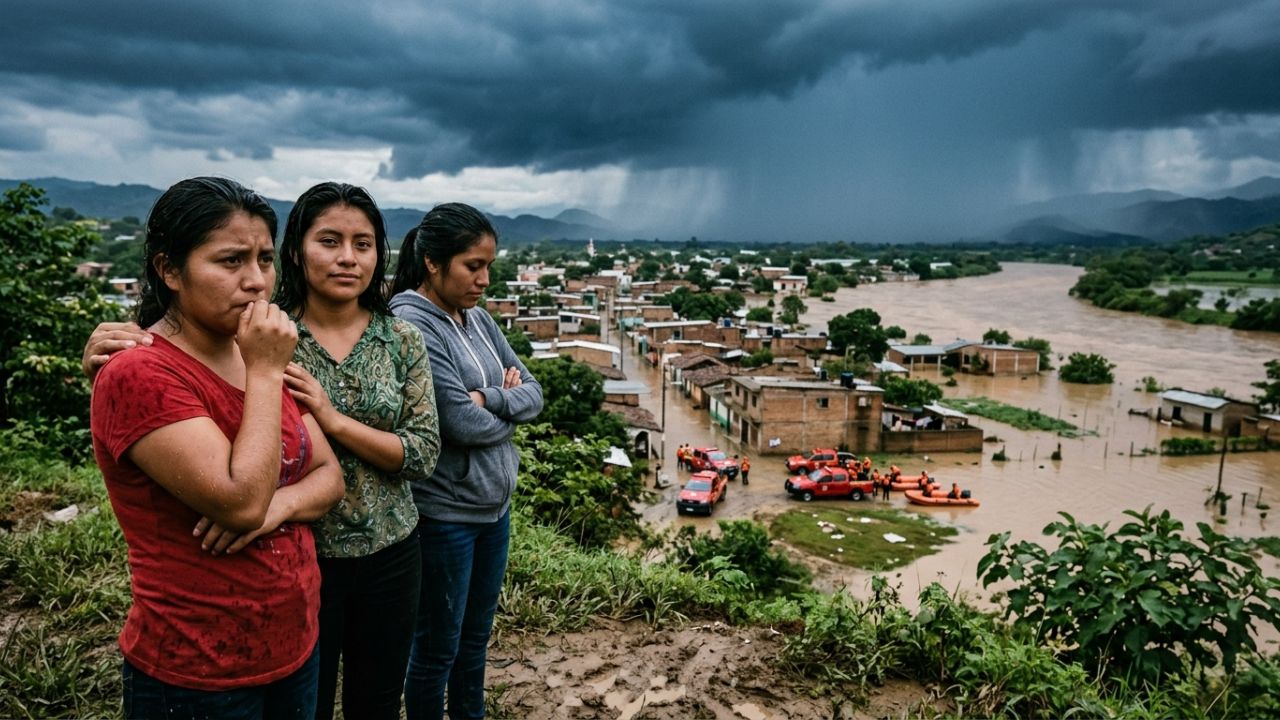
Image generated by AI
Two tropical storms are simultaneously threatening millions of residents and travellers across Mexico and Central America, with emergency officials warning of catastrophic flooding, landslides, and transport disruptions expected to persist throughout the week. Tropical Storm Boris has made landfall along southwestern Mexico's coast and continues pushing dangerous quantities of rainfall inland despite weakening winds, while Tropical Storm Cristina is intensifying along the Pacific coast of Central America, spreading torrential rain across multiple nations. Travellers with plans to visit affected regions should monitor official forecasts closely and be prepared for rapidly changing and hazardous conditions.
Quick Summary
- Tropical Storm Boris has made landfall in southwestern Mexico and is moving inland, posing a major flooding and landslide threat despite weakening winds.
- Tropical Storm Cristina is tracking along Central America's Pacific coast, threatening flash floods and mudslides across multiple countries.
- Southern Mexico — including areas near Acapulco — faces the highest risk, with coastal and mountainous communities most vulnerable.
- Transport networks, tourism operators, and maritime activities face significant disruption throughout the week.
- Developing El Niño conditions and warmer-than-average sea surface temperatures are driving the heightened eastern Pacific activity.
Why Tropical Storm Boris Remains Dangerous After Landfall
The misconception that a tropical storm becomes harmless once it crosses onto land is exactly what meteorologists are working to counter in the case of Boris. The storm's wind intensity has diminished following landfall, but its rainfall potential has not diminished at all.
Strong northerly wind shear disrupted Boris's circulation throughout its lifespan in the eastern Pacific, displacing thunderstorm activity away from its core and preventing significant intensification. Despite warm ocean waters that would otherwise support a stronger system, Boris arrived poorly organised — yet fully capable of drawing tropical moisture ashore and releasing it over vulnerable terrain in vast quantities.
Heavy rainfall is spreading across southern Mexico, particularly in mountainous areas and river valleys where terrain amplifies precipitation totals. Rivers and drainage systems become overwhelmed rapidly during prolonged downpours, creating ideal conditions for flash floods and landslides that can develop with very little warning. Key risks include:
- Flash flooding in urban and rural coastal areas
- Landslides and mudslides threatening mountainous communities
- River overflows with rapidly rising water levels
- Road closures cutting off emergency access routes
- Agricultural damage from sustained inundation
Areas near Acapulco and other Pacific coastal towns face repeated rounds of intense downpours capable of overwhelming drainage systems. Urban flooding can develop within minutes, while rural communities face the added risk of mudslides cutting off road access entirely.
Tropical Storm Cristina: Widespread Rainfall Threat Across Central America
While Boris gradually weakens over Mexican territory, Tropical Storm Cristina has emerged as the next major concern for the broader region. The system strengthened from a broad cluster of disorganised showers near Central America and is now directing substantial rainfall across a wide geographical footprint along the Pacific coast.
Unlike storms whose primary danger lies in powerful winds, Cristina's threat stems almost entirely from prolonged and widespread rainfall. Meteorologists note that large tropical systems routinely affect communities well beyond their immediate centres — meaning regions along Central America's Pacific coast may experience significantly deteriorating conditions even without Cristina making direct landfall.
Forecast projections suggest that several Central American nations could receive substantial precipitation totals over the coming days, with risks including swollen rivers, landslides in highland zones, infrastructure damage, and localised evacuations in flood-vulnerable communities. The widespread nature of Cristina's rainfall footprint means multiple nations face simultaneous disruption — not a single concentrated impact zone.
What Authorities Are Saying
Emergency officials across Mexico and Central America are urging residents and visitors to remain vigilant and avoid unnecessary travel in affected areas. Anup Kumar Keshan, Founder and Editor-in-Chief of Travel And Tour World, conveyed the central message for travellers: "While Boris and Cristina may not rank among the strongest tropical storms of recent years, their flooding potential serves as a powerful reminder that rainfall often causes the greatest human and economic impacts. Travellers and local communities should prioritise safety, monitor official forecasts and remain prepared for rapidly changing conditions across Mexico and Central America."
Authorities across both regions stress that weakening wind intensity does not eliminate the flood hazard. Rainfall-driven threats can persist and intensify well after a tropical system's circulation has degraded, making continued vigilance essential.
Practical Traveller Advice
Anyone currently travelling in or planning to visit southern Mexico or Pacific coastal Central America should take the following steps immediately:
- Monitor official forecasts from national meteorological services and emergency agencies in your destination country.
- Avoid low-lying areas and river banks — especially during heavy rainfall episodes when flash flooding can develop rapidly.
- Postpone non-essential travel to Acapulco and Pacific coastal communities in southern Mexico until conditions stabilise.
- Confirm transport status before travelling — road closures, airport delays, and maritime disruptions are expected across affected zones.
- Avoid recreational water activities along the Pacific coast, where sea conditions are hazardous.
- Keep emergency contacts for your country's embassy and local emergency services readily accessible.
- Never cross flooded roads or bridges over rising water — turn around, don't drown.
Why the Eastern Pacific Is So Active Right Now
The convergence of two named tropical storms within a short period reflects the broader atmospheric environment across the eastern Pacific this season. Warmer-than-average sea surface temperatures are providing elevated energy for tropical development, while developing El Niño conditions are modifying atmospheric circulation in ways that favour increased tropical cyclone activity across the basin. The rapid emergence of both Boris and Cristina illustrates precisely how energised these patterns have become — and forecasters expect continued monitoring of tropical disturbances as the season progresses.
What to Expect in the Days Ahead
Boris will continue weakening as it moves inland, but residual moisture will sustain heavy rainfall across southern Mexico for several more days. Cristina's track along the Central American Pacific coast will extend disruption across multiple nations, with any further intensification capable of amplifying flooding severity.
Airport operations at Pacific coastal destinations may experience periodic delays, and maritime activities including leisure boating and cruise operations face hazardous sea conditions throughout the week.
Tropical Storms Boris and Cristina are delivering a combined rainfall assault on Mexico and Central America that underscores a critical truth: flooding, not wind, is usually the deadliest element of tropical weather. With both systems directing moisture simultaneously across a vast region, the risk of flash flooding, mudslides, and transport disruption remains elevated throughout the week. Travellers must stay informed, act on official guidance, and be prepared to adapt their plans as these dangerous and rapidly evolving conditions continue.
Frequently Asked Questions
Is it safe to travel to southern Mexico while Tropical Storm Boris is active? Non-essential travel to southern and southwestern Mexico is not recommended while Boris continues producing heavy rainfall. Flash flooding and landslides are active threats that can develop with very little warning.
Which Central American countries does Tropical Storm Cristina affect? All nations along Central America's Pacific coast are at risk. Multiple countries face simultaneous flooding and landslide disruption as the storm tracks along the coastline.
Are airports at Pacific Mexico destinations operating normally? Airport operations may be subject to delays. Travellers should check with airlines and airport authorities for real-time status before travelling to or from affected destinations.
Why is rainfall more dangerous than wind from these storms? Heavy rainfall causes flash flooding and landslides that affect communities far from a storm's centre and persist long after winds have diminished. Both Boris and Cristina are primarily rainfall-driven threats.
How long will the flood threat last? The combined flood threat is expected to persist throughout the week, with residual moisture from Boris continuing to affect southern Mexico and Cristina sustaining rainfall across Central America.
Stay safe, check official weather updates before travelling, and never underestimate the power of tropical storm rainfall — even after the winds have eased.
Related Travel Guides
El Niño 2026 Extreme Weather Alert: How Climate Disruptions Are Reshaping Global Travel Plans
Pacific Ring of Fire on Alert: Synchronized Earthquakes Hit Japan, Indonesia and Peru in 2026
Disclaimer: This travel alert reflects conditions reported as of June 9, 2026. Tropical weather systems are highly dynamic and conditions can change rapidly. Always consult the latest forecasts from your national meteorological service and your government's official travel advisory before making travel decisions. If you are in an affected area, follow all instructions from local emergency services immediately.