
El Niño 2026: How Extreme Weather Will Reshape Your Travel Plans
The World Meteorological Organization warns of an 80% chance of strong El Niño developing in 2026, threatening extreme weather worldwide and forcing travelers to completely reimagine their itineraries, safety protocols, and booking strategies.

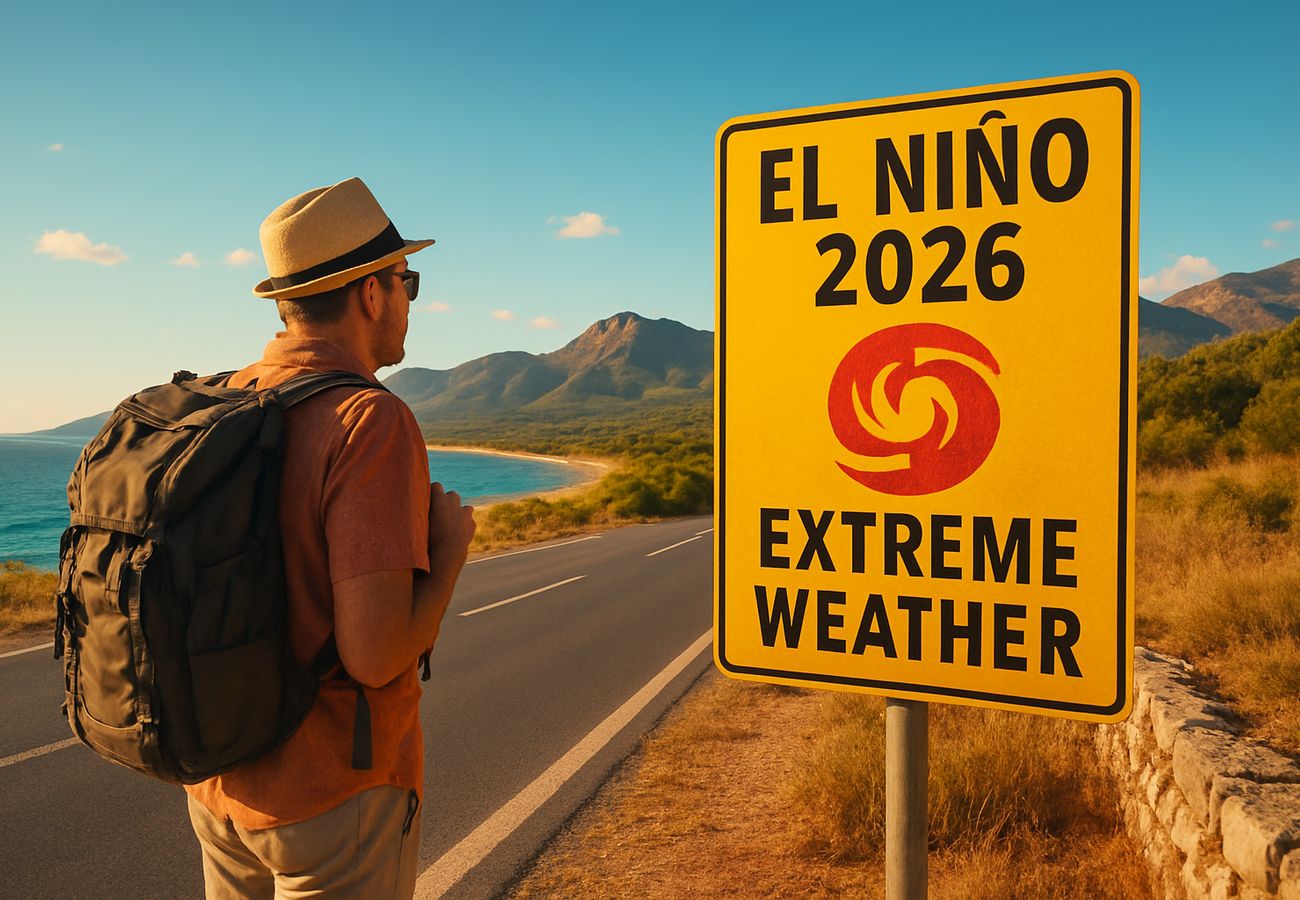
Image generated by AI
The World Meteorological Organization (WMO) just dropped a bombshell: there's an 80 percent chance El Niño will develop between June and August 2026, with a 90 percent probability it will persist through November. This isn't just meteorological data—it's a direct threat to every travel plan on the books.
We're talking about one of the strongest El Niño events on record, potentially supercharged by ongoing climate change. For anyone booking a flight, reserving a hotel, or planning an adventure abroad in the coming months, the implications are staggering. Global temperatures will spike. Rainfall will become unpredictable. Cyclones will intensify. And travel as we know it will be fundamentally disrupted.
What Exactly Is El Niño and Why Should Travelers Care?
El Niño is a cyclical climate pattern where sea surface temperatures in the tropical Pacific Ocean warm significantly every few years. Sounds technical, but here's why it matters to you: when those waters heat up, they disrupt global weather circulation patterns across the entire planet.
The result? Warmer global temperatures, erratic rainfall, droughts in some regions, and devastating floods in others. Scientists confirm that human-driven climate change has already raised global average temperatures by approximately 1.3°C above pre-industrial levels—and El Niño will amplify these effects considerably.
Reddit: "El Niño hits differently when you're already booked for a summer trip. I'm watching forecasts like a hawk right now." — r/travel
Extreme Heat: The Immediate Travel Threat
Buckle up. Parts of Australia, Southeast Asia, southern Europe, and the western United States are facing dangerously elevated temperatures in 2026. This isn't just uncomfortable—it's a legitimate health hazard.
Heat-related illnesses including heat exhaustion, dehydration, and heatstroke will spike. Outdoor activities like hiking, city exploration, beach days, and adventure sports become genuinely risky during peak daylight hours. Travel insurance pricing is already shifting upward due to increased climate risk. Tour operators are scrambling to adjust itineraries, scheduling activities during cooler early mornings or evenings instead.
Hotels in hot-climate destinations may restrict air conditioning availability during peak demand, and cooling centers could become overwhelmed. Travelers heading to vulnerable destinations this year need to seriously reconsider their timing.
The Drought Crisis: Water Scarcity Will Limit Your Options
El Niño typically triggers below-normal rainfall across Australia, South Asia, and Central America. That means genuine drought conditions that could persist throughout the travel season.
Popular destinations like the Australian outback, Bali, Sri Lanka, and southern India face water shortages that directly affect tourism infrastructure. Hotel amenities will diminish. Swimming pools close. Wellness facilities shut down. Water-based excursions—river boating, water sports, guided aquatic tours—get cancelled without notice.
Rural areas, agricultural regions, and protected natural sites may impose visitor restrictions or complete closures due to water conservation mandates. Local economies depending on tourism revenue face additional financial stress, potentially affecting service quality and hospitality standards.
Flooding and Rainfall Extremes: The Other Extreme
Here's the paradox: while some regions dry out, others face catastrophic flooding. Parts of South America, East Africa, and the southern United States will experience intense rainfall and flash flooding.
Peru, Brazil, and Colombia have all suffered extreme precipitation during previous El Niño events, causing widespread urban flooding and forcing major infrastructure repairs. Transportation networks get disrupted. Tourist attractions close indefinitely. Landslides block mountain passes. What should be a routine travel day becomes a logistical nightmare.
According to climate research from institutions like NOAA's Climate Prediction Center, El Niño-driven flooding can render popular destinations completely inaccessible for weeks. Flexible booking options and real-time weather monitoring become non-negotiable.
Cyclones and Hurricanes: Storm Season on Steroids
Warming Pacific waters energize tropical cyclone formation. Expect stronger, more frequent storms across the Pacific and Indian Oceans.
Island destinations like Fiji, Hawaii, and northern Australia face elevated hurricane and cyclone risks. Storm warnings and evacuation alerts will become routine. Airport closures and resort shutdowns could occur suddenly. Cruise lines and tour operators will alter routes and schedules to avoid predicted storm paths, creating scheduling chaos and price volatility.
Travel insurance covering storm-related disruptions shifts from optional to essential. Many travelers to cyclone-prone destinations will need to reschedule or cancel altogether.
Peak Season Collapse: When Traditional Travel Timing Fails
Travelers have long planned vacations around predictable patterns: European summers, Caribbean winters, Asian monsoon breaks. El Niño obliterates this framework.
Mediterranean beach seasons could shorten due to extreme heat. Japan's famous cherry blossom walks might occur during unseasonable temperatures. Caribbean hurricane season could extend or intensify beyond historical norms. Destination marketing organizations are already repositioning campaigns, promoting indoor cultural experiences, cool-climate alternatives, and less weather-dependent eco-tourism offerings.
Smart travelers need to abandon traditional seasonal expectations entirely and embrace flexibility as the new travel strategy.
Infrastructure Strain: Energy, Water, and Basic Amenities Collapse
El Niño's effects ripple through basic infrastructure. Southern Africa's hydropower generation drops during reduced rainfall seasons, triggering energy rationing and price spikes. Hotels experience intermittent power supply. Air conditioning becomes scarce during peak heat.
Travelers planning 2026 trips to vulnerable regions should prioritize accommodations with backup energy systems, proven reliability records, and amenities designed for extreme climate conditions. This isn't luxury—it's survival planning.
Food Costs Soar: Budget Travel Gets Expensive
Agricultural disruption from El Niño cascades through global food prices. Reduced harvests of staples like rice, cocoa, and coffee drive prices sharply upward in both urban and rural markets.
Travelers on tight budgets will face significantly increased food and beverage costs, particularly in destinations reliant on local agricultural production. This factor alone may influence destination selection. Smart travelers will prioritize countries with diversified agricultural systems and stable food supply chains.
What Travelers Should Do Right Now
First: Purchase travel insurance that explicitly covers weather disruption, flight cancellations due to storms, and trip postponement options. Standard policies won't cut it in 2026.
Second: Book flexible accommodations. Look for hotels with strong cancellation policies and backup infrastructure. Avoid all-inclusive resort packages that lack exit strategies.
Third: Adjust your timing. Consider shifting travel plans to traditionally off-season months when El Niño effects may be less severe. Consult WMO's official El Niño forecast before finalizing itineraries.
Fourth: Pack smart. Carry hydration systems, heat-rated sunscreen, electrolyte supplements, and comprehensive medical supplies. Prepare for rapid weather changes.
Fifth: Monitor travel advisories. Governments will issue updates as El Niño develops. Check your destination's official travel warnings regularly.
The Bottom Line for 2026 Travel Planning
El Niño 2026 isn't a minor weather pattern—it's a fundamental disruption to global travel. Destination selection, seasonal timing, safety precautions, insurance coverage, and budget assumptions all require serious recalibration.
Travelers who adapt now will navigate the chaos smoothly. Those who ignore these warnings will face cancelled flights, closed attractions, health emergencies, and financial losses. The window for making informed 2026 travel decisions is closing rapidly.
Plan for chaos, prepare for extremes, and keep your travel insurance ready.
Related Travel Guides
Reagan National ATC Issues Sharp Rebuke After Pilots Make Animal Sounds on Emergency Frequency
Boeing's Forgotten Supersonic Dream: The 2707 That Congress Grounded Before Takeoff
Disclaimer
This article is for informational and educational purposes only. It does not constitute legal, financial, or professional advice. While we strive to provide accurate and up-to-date information, travel policies, regulations, and conditions change rapidly. Always verify information with official sources before making travel decisions. Nomad Lawyer makes no representations about the accuracy, reliability, completeness, or suitability of the information provided. Readers should consult qualified professionals for advice specific to their circumstances. The views expressed in this article are those of the author and do not necessarily reflect the views of Nomad Lawyer.
Raushan Kumar
Founder & Lead Developer
Full-stack developer with 11+ years of experience and a passionate traveller. Raushan built Nomad Lawyer from the ground up with a vision to create the best travel and law experience on the web.
Learn more about our team →