
T'way Air Rebrands as Trinity Airways on September 10 2026 to Launch Hybrid Global Model
T'way Air officially transitions to Trinity Airways on September 10, 2026, shifting from a low-cost carrier to a hybrid global model to capture long-haul traffic rights in South Korea.

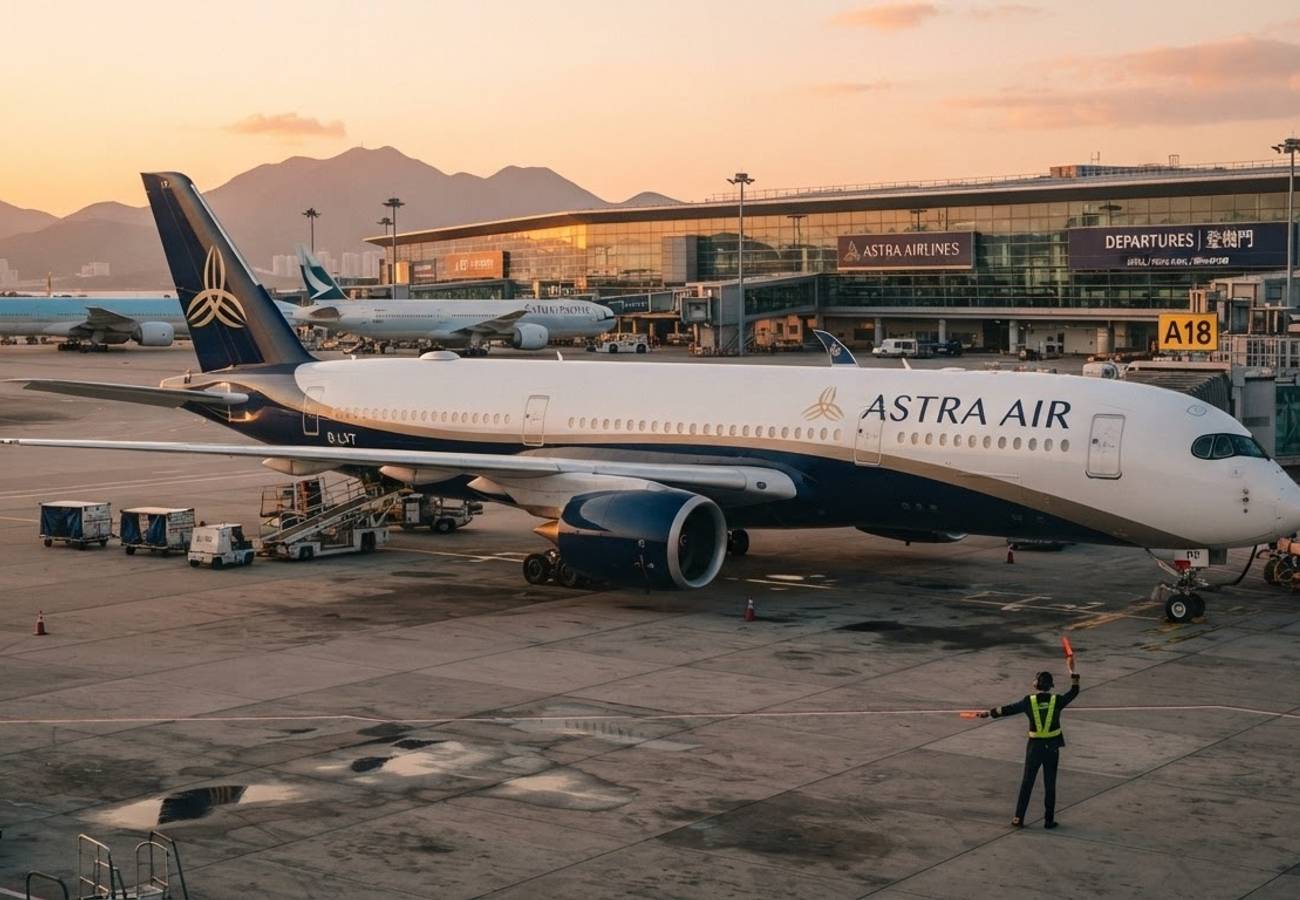
Image generated by AI
South Korea’s aviation sector faces a major structural shift on September 10, 2026, as T’way Air retires its 16-year legacy to launch Trinity Airways. This is not a mere name change but a strategic pivot toward a "premium value" hybrid model designed to challenge the dominance of the nation's full-service giants.
The transition follows shareholder approval granted in March and the subsequent issuance of a revised domestic air transport license. By moving away from a strict low-cost carrier (LCC) identity, Trinity Airways aims to occupy the middle ground between budget operators and premium legacy carriers.
Operational Transition and Continuity
For the traveling public, the shift on September 10 will be primarily visual. While aircraft liveries, uniforms, and digital interfaces will adopt the Trinity Airways branding, the technical backbone of the airline remains stable.
To prevent systemic chaos within Global Distribution Systems (GDS) and travel agency bookings, the airline is maintaining its existing identifiers:
- IATA Code: TW
- ICAO Designator: TWB
Passengers with existing reservations are advised that all tickets, baggage allowances, and travel conditions remain fully valid. Some documentation and receipts may already reflect the Trinity Airways name during this phased rollout.
Strategic Pivot Amidst Market Consolidation
The timing of this rebrand is intrinsically linked to the massive consolidation of the South Korean skies. The ongoing merger between Korean Air and Asiana Airlines has forced a redistribution of long-haul traffic rights from Seoul Incheon to smaller competitors.
Trinity Airways is positioned to be a primary beneficiary of these redistributed rights. The airline has already established a foothold in European markets, including routes to Rome, and is prepared to absorb additional capacity previously held by Asiana as regulatory remedy packages are finalized.
This evolution allows the carrier to move beyond the volatile short-haul leisure market. By integrating high-yield long-haul sectors with its established regional network, Trinity Airways can mitigate the seasonal demand swings that typically plague budget airlines.
The New "Premium Value" Experience
Trinity Airways is redefining its onboard and ground services to match its hybrid ambitions. The goal is to attract a broader demographic—ranging from budget-conscious leisure travelers to those seeking a more refined experience for transcontinental flights.
Key enhancements include:
- Cabin Upgrades: Refreshed interiors and updated crew uniforms.
- Strategic Partnerships: Curated alliances with hotels and resorts linked to the parent ownership group.
- Hub Connectivity: Utilizing Seoul Incheon as a transfer point to connect secondary Asian destinations with major European gateways.
Despite these upgrades, the airline intends to remain price-competitive in the "visiting friends and relatives" (VFR) and leisure segments, particularly across its dense networks in Japan, Southeast Asia, and Greater China.
Impact on Competitive Dynamics in Seoul
The emergence of Trinity Airways creates a critical alternative in a market rapidly splitting into two camps. On one side, the Hanjin Group is consolidating Jin Air, Air Busan, and Air Seoul into a single LCC platform to complement Korean Air.
As the number of independent players shrinks, Trinity Airways stands as one of the few non-Hanjin entities capable of contesting international traffic. This positioning is vital for maintaining market contestability and may influence how airport authorities allocate scarce slots at Seoul Incheon.
Passenger Guidance for September 10
Travelers flying via South Korea should expect a staggered visual transition. While digital channels will switch over quickly, physical airport signage and check-in desks may take longer to update.
What remains the same:
- Flight numbers and schedules.
- Booking validity and ticket terms.
- Regional connectivity to Japan and Southeast Asia.
What changes:
- Branding on aircraft, boarding passes, and websites.
- A gradual shift toward a more premium onboard service product.
Trinity Airways Transition Overview
| Feature | T'way Air (Legacy) | Trinity Airways (New) |
|---|---|---|
| Launch Date | 2010 | September 10, 2026 |
| Market Position | Low-Cost Carrier (LCC) | Hybrid / Premium Value |
| IATA / ICAO Codes | TW / TWB | TW / TWB (Unchanged) |
| Core Network | Japan, SE Asia, China | Regional + European Long-Haul |
| Key Strategy | Budget Leisure | Hybrid Global Connectivity |
| Primary Hub | Seoul Incheon | Seoul Incheon |
Key Takeaways
- Official Switch: T'way Air becomes Trinity Airways on September 10, 2026.
- Hybrid Model: The airline is moving from a budget LCC to a "premium value" carrier to compete on long-haul routes.
- Market Driver: The Korean Air-Asiana merger has opened up transcontinental traffic rights that Trinity Airways is now exploiting.
- Operational Stability: IATA (TW) and ICAO (TWB) codes remain the same to ensure seamless booking transitions.
- Network Expansion: While keeping regional routes, the focus is shifting toward European gateways and hub-and-spoke connectivity.
FAQ
Will my T'way Air ticket still be valid after September 10? Yes. All existing reservations, baggage allowances, and ticket conditions remain valid under the Trinity Airways brand.
Does the rebrand mean the airline is no longer affordable? No. Trinity Airways intends to maintain aggressive pricing for leisure and regional travel while adding premium options for long-haul flights.
Which long-haul routes is Trinity Airways focusing on? The airline is leveraging redistributed traffic rights to expand its presence in Europe, with Rome already serving as a key gateway.
A strategic gamble to bridge the gap between budget and luxury in Asia's most competitive airspace.
Related Travel Guides
Disclaimer
This article is for informational and educational purposes only. It does not constitute legal, financial, or professional advice. While we strive to provide accurate and up-to-date information, travel policies, regulations, and conditions change rapidly. Always verify information with official sources before making travel decisions. Nomad Lawyer makes no representations about the accuracy, reliability, completeness, or suitability of the information provided. Readers should consult qualified professionals for advice specific to their circumstances. The views expressed in this article are those of the author and do not necessarily reflect the views of Nomad Lawyer.
Kunal K Choudhary
Co-Founder & Contributor
A passionate traveller and tech enthusiast. Kunal contributes to the vision and growth of Nomad Lawyer, bringing fresh perspectives and driving the community forward.
Learn more about our team →