
Illinois historic riverside city between two major Midwest destinations offers overlooked trails
Peru, Illinois—a historic riverside town with presidential heritage—sits perfectly between Starved Rock State Park and St. Louis in 2026, offering visitors scenic trails and authentic Midwest charm overlooked by most regional travelers.

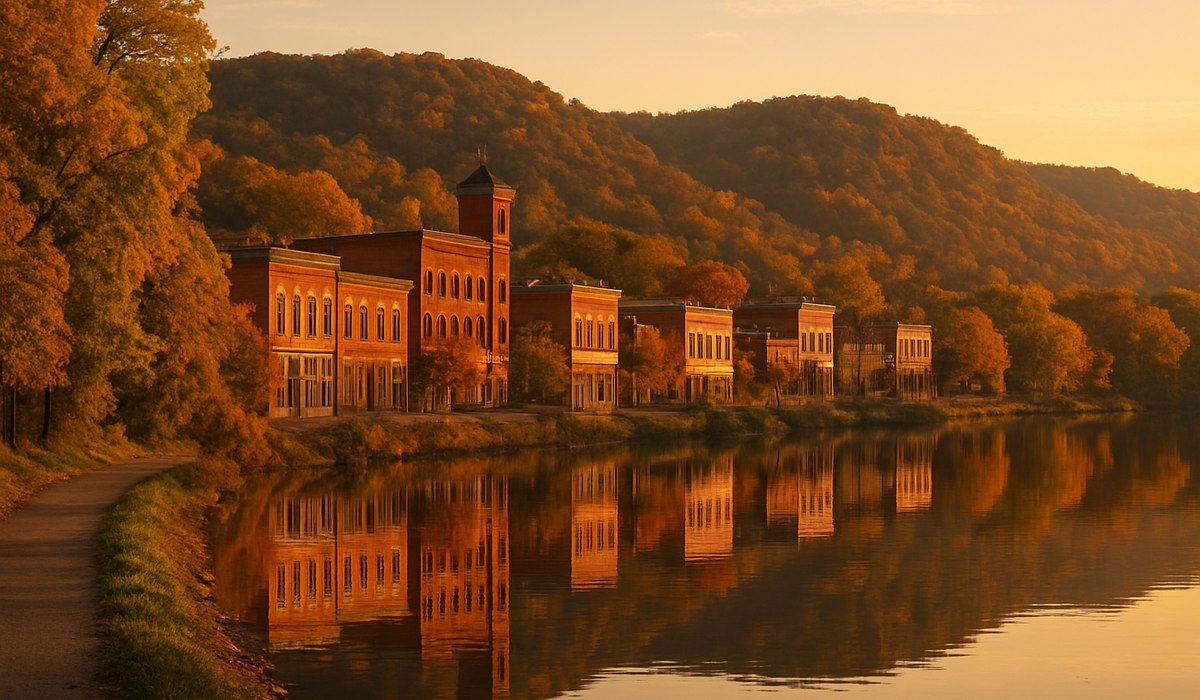
Image generated by AI
Discover Peru: Illinois' Premier Historic Riverside City
Peru, Illinois stands as one of the Midwest's most underrated destinations, positioned strategically between two major attractions that draw millions annually. This charming historic riverside city boasts a rich presidential legacy and direct access to extensive trail networks that rival better-known regional parks. Nestled along the Illinois River, Peru offers travelers a compelling alternative to crowded tourist hubs, combining authentic small-town character with outdoor recreation opportunities that justify the detour.
A Presidential Past Worth Exploring
Peru's significance in American history extends far beyond its modest population. The city served as a temporary home and political hub during the 19th century, hosting figures whose influence shaped the nation. Historic sites throughout downtown preserve architectural remnants of that era, including period homes and civic buildings now open for guided tours.
The Illinois historic riverside city features several museums dedicated to local and regional history, providing context for visitors interested in understanding how Midwest river towns developed during America's expansion period. Walking tours connect these heritage sites, allowing self-guided exploration at your own pace. The preservation efforts undertaken by local historical societies ensure authentic representation of period details and genuine artifacts. Many buildings remain in active use today, creating a living history experience rather than artificial recreations.
Trail Networks and Outdoor Activities
Surrounding Peru lies one of Illinois' most extensive trail systems, accessible directly from the city center. These pathways wind through diverse terrain—from riverside bluffs to wooded bottomlands—offering varying difficulty levels suitable for casual hikers and experienced outdoor enthusiasts alike.
Starved Rock State Park, located roughly 20 miles south, represents the region's flagship outdoor destination. However, Peru's own network provides comparable beauty with substantially fewer crowds. The Illinois and Michigan Canal Trail connects multiple municipalities, offering 60+ miles of bikeable and walkable routes. Water recreation enthusiasts can access river paddling opportunities through local outfitters providing kayak and canoe rentals.
Seasonal trail conditions vary, with spring and fall offering optimal hiking weather. Summer brings wildflower displays and bird migration activity, while winter transforms landscapes for cross-country skiing and snowshoeing. Local visitor centers provide updated trail maps and current conditions before you venture into the woodlands.
River Charm and Local Character
The Illinois River defines Peru's identity, visible from most downtown locations. Scenic overlooks provide photo opportunities and meditation spots. Riverside parks feature picnic facilities, riverside promenades, and fishing access along established points. The waterfront generates economic activity through boat rentals, riverside restaurants, and seasonal festivals celebrating the town's aquatic heritage.
Downtown Peru maintains distinctive character through locally-owned shops, family restaurants, and bed-and-breakfast accommodations that cater to regional travelers. Main Street architecture reflects various periods, creating an eclectic visual experience. Evening strolls reveal how the community has preserved walkability while modernizing essential services.
The Illinois historic riverside city hosts periodic events throughout the year—farmers markets, outdoor concerts, and heritage festivals—that animate the public spaces and invite visitor participation. These gatherings provide authentic cultural experiences unavailable in larger tourism destinations.
Getting There by Rail and Road
Accessing Peru requires intentional routing since major highway corridors bypass the city. From St. Louis, expect a four-hour drive north via Interstate 55 and state highways. The journey itself traverses scenic Illinois countryside, passing through multiple small communities with their own heritage appeal.
Amtrak's Chicago-bound routes serve nearby larger stations, requiring ground transportation to Peru. However, this rail-dependent approach often takes longer than driving for most travelers originating from St. Louis or Chicago regions. Regional bus services connect Peru to neighboring cities, though schedules limit flexibility for spontaneous explorations.
For optimal access, rent a vehicle in either anchor city and dedicate 2-3 days to exploring Peru and surrounding attractions. This approach balances convenience with cost-effectiveness while allowing personalized exploration of secondary road networks through the Starved Rock region. Parking throughout downtown and parks remains free and abundant.
How to Book the Best Fare
While Peru itself lacks commercial air service, booking regional travel requires strategic planning when originating from distant origins. Consider flying into Chicago O'Hare or St. Louis Lambert International, then renting vehicles for ground transportation. Major rental companies maintain desks at both airports with competitive rates.
Consolidator websites like Trainline offer rail alternatives from Chicago, though this adds 3-4 hours to your journey. Budget-conscious travelers benefit from mid-week visits when hotel rates in Peru decrease and trail networks experience reduced congestion. Package deals combining nearby Starved Rock Park accommodations with Peru exploration often provide superior value versus independent bookings.
Reserve accommodations well in advance during peak seasons (May through October), as Peru's limited lodging fills quickly during popular weekends. Direct booking through Peru chamber of commerce maintains updated lodging directories and current availability information.
Key Information at a Glance
| Aspect | Details |
|---|---|
| Location | LaSalle County, Illinois; 90 miles south of Chicago |
| Distance from St. Louis | Approximately 4 hours by car via I-55 North |
| Distance from Starved Rock | 20 miles south on IL-178 |
| Best Visit Season | May-October for trail conditions; September-October for weather/crowds |
| Primary Attractions | Historic downtown, museum district, Illinois River State Park, trail networks |
| Accommodation Types | Historic bed-and-breakfasts, small hotels, riverside lodges |
| Dining Options | Farm-to-table restaurants, casual cafes, riverside establishments |
| Trail Difficulty Range | Beginner to advanced; 2-15 mile options available |
What This Means for Travelers
Peru represents an excellent solution for travelers seeking authentic Midwest experiences without overwhelming crowds. Consider these actionable strategies:
-
Position Peru as a circuit stop between St. Louis and Chicago rather than a standalone destination. This approach justifies travel time while exposing you to regional variation within a single trip.
-
Allocate two full days minimum to adequately explore downtown heritage sites, complete one major trail, and experience local dining. One-day visits feel rushed and diminish the cultural immersion value.
-
Visit during shoulder seasons (May or September) when temperatures remain comfortable, trails are passable, and tourist density remains manageable compared to summer peaks.
-
Engage local guides through the Peru Chamber of Commerce for customized historical tours. These professional interpretations provide context unavailable through self-guided exploration.
-
Combine Peru exploration with Starved Rock State Park visits to maximize outdoor recreation variety while staying regionally focused. The proximity allows seamless integration within a coherent itinerary.
Frequently Asked Questions
Is Peru, Illinois safe for solo travelers? Yes, Peru maintains low crime rates typical of small Midwestern communities. Downtown remains walkable during daylight hours, with well-lit main streets evening pedestrian traffic. Standard urban awareness practices apply. Local police and visitor center staff provide directions and safety information.
What's the best time to visit Peru for outdoor activities? May through September offers optimal trail conditions with minimal seasonal closures. September specifically provides mild temperatures, fewer summer crowds, and beautiful early-fall foliage on wooded paths surrounding the city.
Can I visit both Peru and Starved Rock in one day? Technically yes, but it's rushed. Allocate a full day each for optimal experiences. An extended weekend allows leisurely exploration of both destinations without perpetual clock-watching.
Are dogs allowed on Peru-area trails? Most trails permit leashed dogs. Contact Peru Parks and Recreation for specific regulations and pet-friendly establishment information before arrival. The Illinois and Michigan Canal Trail welcomes well-behaved leashed dogs throughout its corridor.
Related Travel Guides
Disclaimer
This article is for informational and educational purposes only. It does not constitute legal, financial, or professional advice. While we strive to provide accurate and up-to-date information, travel policies, regulations, and conditions change rapidly. Always verify information with official sources before making travel decisions. Nomad Lawyer makes no representations about the accuracy, reliability, completeness, or suitability of the information provided. Readers should consult qualified professionals for advice specific to their circumstances. The views expressed in this article are those of the author and do not necessarily reflect the views of Nomad Lawyer.
Kunal K Choudhary
Co-Founder & Contributor
A passionate traveller and tech enthusiast. Kunal contributes to the vision and growth of Nomad Lawyer, bringing fresh perspectives and driving the community forward.
Learn more about our team →