
Trinidad and Tobago Cruise Travel Momentum Puts Port of Spain and Scarborough Visitor Services in Focus
Trinidad and Tobago Cruise Travel Momentum Puts Port of Spain and Scarborough Visitor Services in Focus

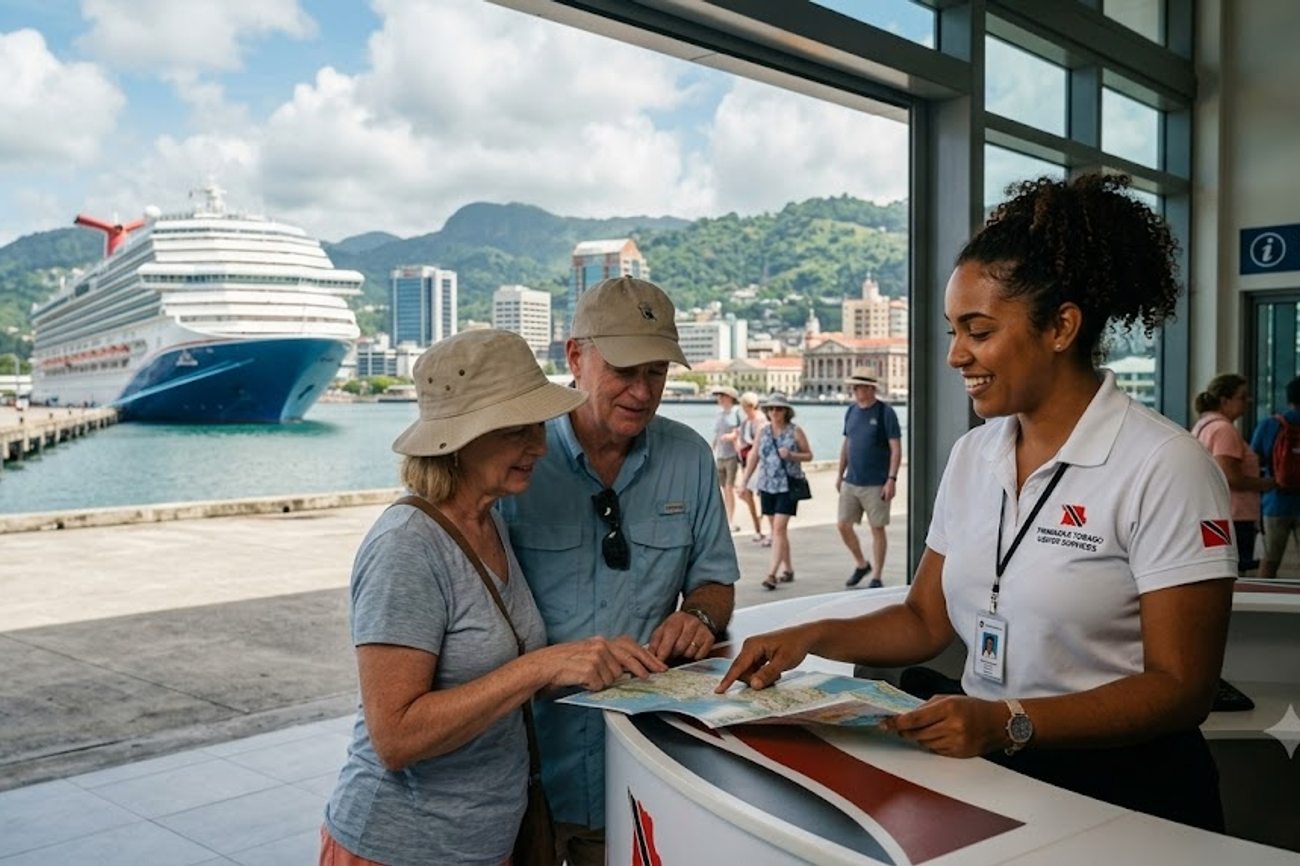
Image generated by AI
While thousands of cruise passengers now flood the quays of Port of Spain, only about 27.2% of those arrivals actually commit to organized tours. This gap reveals a fascinating tension in Trinidad and Tobago: the islands have mastered the art of attracting massive ships, but the challenge has shifted to converting a simple port call into a deep, immersive cultural experience.
The Infrastructure Pivot in Port of Spain and Scarborough
For years, the success of Trinidad and Tobago’s cruise sector was measured by the size of the ships and the number of arrivals. However, the 2025/26 season signaled a fundamental shift in priorities. Between October 2025 and February 2026, Trinidad saw a significant 36% surge in cruise passengers, totaling 23,961 visitors across 14 different calls. This growth was accompanied by 10,723 crew members, who represent an often-overlooked demographic that interacts with the local economy.
The real story, however, isn't the growth—it's the logistics of the "shore-side experience." As the volume of visitors increases, the pressure on the physical and human infrastructure of Port of Spain and Scarborough has intensified. We are seeing a transition from "arrival logistics" to "experience management." For example, while 23,961 passengers arrived, only 6,521 participated in formal tours—a 17% increase over the previous year, yet still leaving a vast majority of visitors to navigate the islands independently.
This discrepancy highlights a critical opportunity for local artisans, vendors, and independent guides. With an average spend of US$59 per disembarking visitor, the total onshore expenditure reached US$932,141. When you break that down, the onshore expenditure per total passenger arrival sits at approximately US$38.90. For those of us who know the islands, this number feels low; it suggests that many visitors are staying within the "cruise bubble" or failing to find the authentic local experiences that drive higher spending and deeper cultural exchange.
What Makes the Twin-Island Experience Different
Trinidad and Tobago offer a duality that few other Caribbean destinations can match. Port of Spain is a high-energy urban hub where the rhythms of the city clash and coalesce with the proximity of the Northern Range. In contrast, Scarborough in Tobago provides a slower, more rhythmic pace of life centered on nature and coastal heritage.
The recent introduction of passenger embarkations—specifically the 200 passengers who boarded the Brilliance of the Seas—indicates a strategic move toward "homeporting." This is a game-changer. Instead of visitors spending six hours in port, homeporting allows them to stay in local hotels, dine in neighborhood eateries, and explore the islands on their own terms before the ship departs.
To truly understand the region, one must look beyond the cruise terminal. The real magic happens in the markets of Port of Spain or the quiet beaches of Tobago. The current push for "Visitor Ambassador" programs and specialized tour-guide training, which peaked in July 2026, shows that the government recognizes that the human element—the storyteller, the guide, the welcoming face—is what transforms a port call into a lifelong memory. For more on the region's official travel guidelines, visitors should consult Visit Trinidad and Tobago.
Visitor Insider Tips
Navigating the islands during a cruise call requires a different strategy than a long-term stay. To avoid the crowds and find the authentic pulse of the islands, keep these local insights in mind:
Timing the City: If you are docking in Port of Spain, head inland immediately. The area surrounding the quay becomes congested quickly. To avoid the peak "tourist window," seek out the local markets early in the morning (between 8:00 AM and 10:00 AM) before the bulk of the ship's passengers disembark.
Transport Hacks: While official tours are available, the real experience often involves negotiating with local taxi drivers. Always agree on the price before the car moves, and don't be afraid to ask for "the local spot" rather than the "tourist spot."
Etiquette and Interaction: Trinidadians and Tobagonians are famously warm, but they value genuine curiosity. Instead of sticking to a checklist of landmarks, engage in conversation. Asking about the local music scene or the history of a specific street often opens doors to experiences not found in any brochure.
Regional Specialties: Do not leave without trying a doubles vendor—the quintessential street food of Trinidad. In Tobago, focus on the fresh seafood and the slower, beach-side dining experiences that define the island's leisure culture.
Cultural and Environmental Context
The surge in cruise tourism brings a complex set of challenges to the twin-island republic. While the US$932,141 in onshore expenditure provides a vital lifeline for local artisans and small-scale operators, it also puts pressure on the environmental integrity of the coastline.
The interaction between high-volume cruise tourism and local community life is a delicate balance. There is a constant tension between the need for economic growth and the preservation of the "slow life" that makes Tobago so attractive. The focus on "Cruise Stakeholder Training" and "Tour Guide Certification" seen in the 2026 procurement schedules is an attempt to professionalize the industry without stripping away its organic charm.
Furthermore, the environmental impact of large vessels on coral reefs and coastal ecosystems remains a primary concern for conservationists. As the islands move toward more frequent calls and potential homeporting, the integration of sustainable practices—such as limiting single-use plastics during shore excursions and promoting eco-certified guides—becomes essential. For those interested in the preservation of the region's natural beauty, the UNESCO World Heritage framework provides a useful lens for understanding how global standards for heritage and nature are applied to island nations.
FAQ: Visiting Trinidad and Tobago 2026
What is the best time to visit? The peak cruise season runs from October through February, offering the most pleasant weather. However, visiting during the Carnival season (typically February or March) provides the most intense cultural experience, though it requires booking accommodation months in advance.
Do I need a visa? Visa requirements vary by nationality. Most travelers from the US, UK, and Canada enter visa-free for tourism. Always check the latest requirements via the official government portal or your embassy before departure.
How do I get there from major hubs? Most international travelers fly into Piarco International Airport (POS) in Trinidad. To reach Tobago, a short domestic flight or a ferry crossing from Port of Spain is required.
Is it safe for solo travelers? Yes, provided you exercise standard urban caution. Stick to well-lit areas in Port of Spain and use licensed transport. Solo travelers often find that joining a certified tour is the easiest way to navigate the islands safely.
The ships may bring the crowds, but the islands provide the soul—if you're willing to step off the beaten path.
#PortOfSpain #ScarboroughTobago #CaribbeanCruise2026 #TrinidadTravel #IslandHoppingCaribbean #TobagoTourism
Related Travel Guides
Disclaimer
This article is for informational and educational purposes only. It does not constitute legal, financial, or professional advice. While we strive to provide accurate and up-to-date information, travel policies, regulations, and conditions change rapidly. Always verify information with official sources before making travel decisions. Nomad Lawyer makes no representations about the accuracy, reliability, completeness, or suitability of the information provided. Readers should consult qualified professionals for advice specific to their circumstances. The views expressed in this article are those of the author and do not necessarily reflect the views of Nomad Lawyer.
Naina Thakur
Contributor & Travel Specialist
Travel enthusiast and legal writer covering visa regulations, responsible tourism, and cultural journeys across global destinations.
Learn more about our team →