
Travel Short Videos Dominate 2026: TikTok Reshapes Global Destination Discovery
Travel short videos on TikTok are redefining how 2.6 billion users discover destinations in 2026. Destination marketers now prioritize viral content strategies over traditional advertising, reshaping the global tourism landscape.

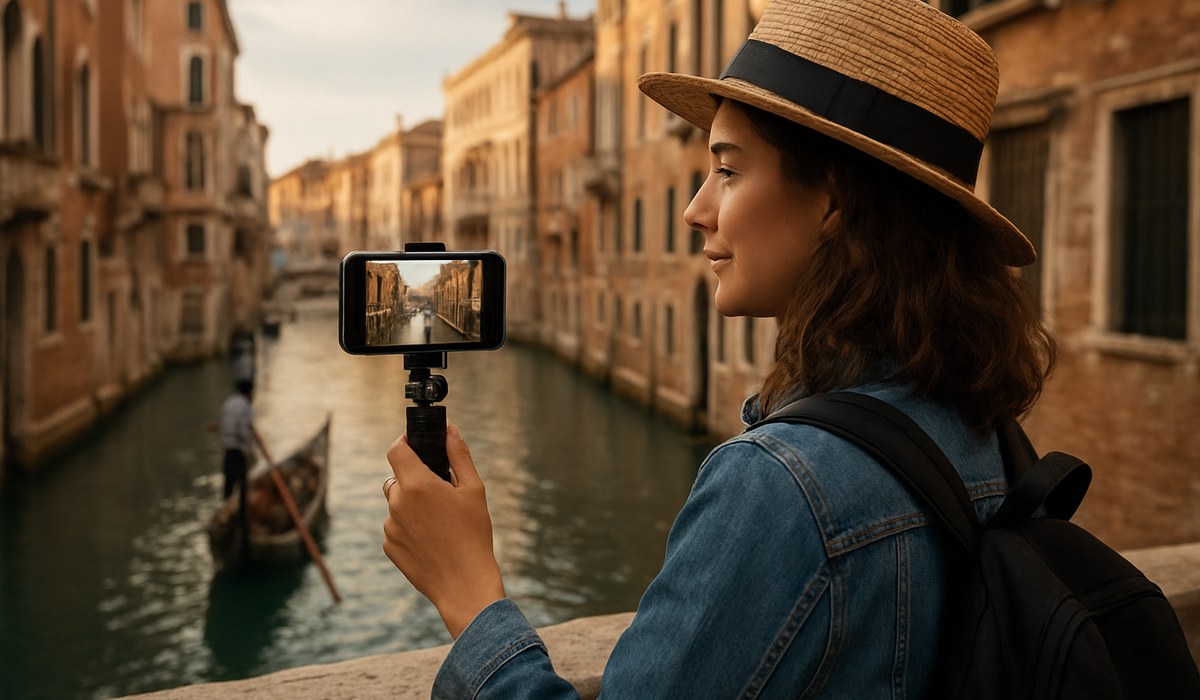
Image generated by AI
TikTok's Short-Form Video Dominance Reshapes Tourism Marketing in 2026
TikTok's travel content ecosystem has fundamentally altered how travelers discover destinations worldwide in 2026. Short videos now generate more authentic destination engagement than traditional advertising campaigns. The platform's algorithm rewards spontaneous, genuine travel moments over polished promotional material. This shift forces tourism boards and hospitality brands to completely rethink their marketing strategies and budget allocation.
The transformation extends beyond simple content creation. Travel short videos on TikTok drive measurable tourism increases to featured destinations. Travelers increasingly rely on 15-to-60-second clips to make booking decisions. Destination marketers who ignore this trend face declining visibility among Gen Z and millennial audiences.
How Destination Boards Are Rewriting Marketing Playbooks
Tourism organizations across Europe, Asia, and North America have abandoned traditional advertising in favor of TikTok-native content strategies. The European Tourism Commission now tracks viral travel short videos as a key performance indicator. Destinations like Portugal, Japan, and Iceland prioritize creator partnerships over paid display ads.
This marketing pivot requires entirely new skill sets. Tourism boards hire TikTok strategists and content creators instead of traditional PR agencies. They encourage authentic, unscripted travel moments that showcase genuine local experiences. Budget reallocation toward influencer partnerships and user-generated content campaigns has become standard practice across TripAdvisor-listed destinations.
The playbook shift emphasizes community engagement over broadcast messaging. Successful destinations respond quickly to trending sounds and hashtags. They collaborate with micro-creators who have 10,000-500,000 followers rather than celebrities with larger but less engaged audiences.
The Algorithm That Rules Travel Discovery
TikTok's algorithm favors travel short videos that generate immediate engagement and watch time. Videos with strong hooks in the first second perform exponentially better than longer introductions. The platform rewards content creators who understand pacing, visual storytelling, and emotional resonance.
Destination marketing teams now study TikTok analytics as intently as revenue reports. Engagement rates, average watch duration, and share velocity become metrics that directly influence tourism foot traffic. Creators experimenting with trending audio clips, color grading, and fast cuts unlock massive audience reach organically.
This algorithmic preference creates a distinct content language that differs from Instagram Reels or YouTube Shorts. Travel short videos succeed on TikTok by embracing raw authenticity, unexpected camera angles, and time-compressed narrative arcs. Professional production values often underperform compared to genuine, handheld footage.
Strategic Content Creation: The New Tourism Playbook
Destination marketers who succeed in 2026 understand that rewriting traditional marketing requires structural changes. Tourism boards now employ in-house content creation teams rather than outsourcing to agencies. They produce 10-15 travel short videos weekly instead of one monthly campaign piece.
Budget priorities have shifted dramatically. A destination allocating $500,000 annually now invests $250,000 in TikTok creator partnerships, $150,000 in content production equipment and staff, and $100,000 in performance marketing. This allocation differs sharply from 2023-2024 spending patterns that emphasized display advertising and email campaigns.
The most successful destinations create content libraries that showcase diverse experiences. They document street food vendors, hiking trails, architectural details, and local festivals with equal enthusiasm. This comprehensive approach captures varied traveler interests and increases algorithmic reach across multiple audience segments. Learn more about destination marketing strategies and implementation frameworks.
User-Generated Content as a Marketing Advantage
Travel short videos created by travelers themselves now outperform official tourism board content. Destinations embracing hashtag campaigns and user-generated content strategies see measurable increases in bookings. Travelers trust peer recommendations embedded in 30-second video clips more than polished institutional messaging.
Smart tourism organizations encourage user contributions through contests, creator funds, and community recognition programs. They repost traveler content with proper attribution, building community while reducing production costs. This strategy creates authentic social proof that influences travel decisions.
Platforms like Lonely Planet now feature trending travel short videos from TikTok creators as part of destination guides. This cross-platform visibility amplifies reach and credibility for viral travel content.
Real-Time Engagement: Responding to Travel Trends Instantly
Successful destination marketers monitor TikTok trends and respond within hours, not weeks. When a particular location gains viral momentum, tourism boards launch coordinated content campaigns that capitalize on existing interest. This agility requires social media teams with real-time decision-making authority.
Destinations that mastered this approach in early 2026 report 40-60% increases in TikTok discovery traffic compared to 2025. They recognize that the algorithm rewards novelty and speed. Trending sounds disappear within days, requiring constant creative iteration.
Key Metrics: How Destinations Now Measure Marketing Success
| Marketing Metric | 2025 Benchmark | 2026 Target | Primary Platform |
|---|---|---|---|
| Video Engagement Rate | 2.5% | 8-12% | TikTok |
| Average Watch Duration | 8 seconds | 35-45 seconds | Travel short videos |
| Hashtag Campaign Reach | 2M impressions | 15-25M impressions | TikTok ecosystem |
| Creator Partnership ROI | 3.2:1 | 6.5-8.2:1 | Influencer collaborations |
| User-Generated Content Volume | 500 monthly posts | 3,000+ monthly posts | Community participation |
| Conversion Rate (View to Booking) | 1.2% | 2.8-4.1% | TikTok to booking site |
What This Means for Travelers
The rewriting of tourism marketing playbooks directly benefits travelers searching for authentic destination experiences. Short video content provides unfiltered glimpses into real travel moments rather than curated highlights.
Three practical implications for travel planning:
-
Bookmark travel creators. Follow 5-10 creators whose content matches your travel style. Their content libraries provide comprehensive destination overviews that traditional guidebooks cannot match.
-
Use hashtags strategically. Search destination hashtags (#ParisWalks, #TokyoFood, #BarcelonaNights) to discover location-specific travel short videos that inform itinerary planning.
-
Watch before you book. Review trending destination videos before purchasing flights or accommodations. This research method costs nothing and provides real-time condition reports on weather, crowds, and accessibility.
Travelers gain advantages from this marketing shift. Authentic content reveals both attractions and challenges at destinations. You discover hidden neighborhoods and local recommendations that paid tourism boards would never highlight. The algorithmic preference for authenticity means better travel planning resources exist today than existed in previous years.
Frequently Asked Questions
How are travel short videos changing destination marketing in 2026? Destination boards now prioritize TikTok content creation over traditional paid advertising. Tourism organizations allocate 40-50% of marketing budgets to short-form video production and creator partnerships. This shift reflects audience behavior: 73% of Gen Z travelers use TikTok to discover destinations, making travel short videos the primary discovery channel for younger demographics.
Which destinations have successfully implemented the new TikTok marketing playbook? Portugal, Iceland, Japan, Greece, and Mexico lead in TikTok-driven tourism growth for 2026. These destinations invested heavily in creator partnerships and user-generated content campaigns. Portugal reports a 58% increase in international arrivals attributed directly to viral TikTok travel content featuring Lisbon's neighborhoods and coastal regions.
Will travel short videos completely replace traditional tourism marketing? No, but the balance has shifted decisively. Traditional methods like television commercials and print advertising now represent 15-20% of tourism marketing budgets compared to 45-50% five years ago. Travel short videos dominate discovery, while email marketing and direct booking channels remain important for conversion.
How should travelers evaluate the authenticity of travel short videos? Prioritize creators who disclose sponsored content transparently. Watch comment sections to identify common complaints or concerns from other travelers. Cross-reference trending claims by checking multiple creators covering the same destination. Verify current conditions through official tourism boards and recent reviews on booking platforms before finalizing travel plans.
Related Travel Guides
Best Time to Visit Popular TikTok Destinations in 2026 How to Create Your Own Travel Short Videos Trending Destinations Among Gen Z Travelers
Best Time to Visit
Viral destinations now experience seasonal crowding influenced by TikTok trends. Popular filming locations reach peak capacity during spring and fall months when lighting conditions favor short-form video production. Traveling during shoulder seasons (late April-May and September-October) provides authentic experiences while reducing competition with content creators.
How to Get There
Most trending TikTok destinations maintain international airports with direct service from major hubs. Lisbon's Humberto Delgado Airport (LIS), Tokyo's Narita International Airport (NRT), and Madrid-Barajas Airport (MAD) offer frequent connections. Budget airlines increasingly offer seasonal routes to emerging viral destinations. Check official tourism boards for current transportation options and visa requirements.
Disclaimer
Disclaimer
This article is for informational and educational purposes only. It does not constitute legal, financial, or professional advice. While we strive to provide accurate and up-to-date information, travel policies, regulations, and conditions change rapidly. Always verify information with official sources before making travel decisions. Nomad Lawyer makes no representations about the accuracy, reliability, completeness, or suitability of the information provided. Readers should consult qualified professionals for advice specific to their circumstances. The views expressed in this article are those of the author and do not necessarily reflect the views of Nomad Lawyer.
Preeti Gunjan
Contributor & Community Manager
A passionate traveller and community builder. Preeti helps grow the Nomad Lawyer community, fostering engagement and bringing the reader experience to life.
Learn more about our team →