
Travel Latest Middle East: Regional Tourism Shifts Amid 2026 Tensions
Travel latest middle east destinations including Kuwait, Qatar, and Israel face tourism changes in 2026 as regional tensions reshape visitor patterns across Gulf and Levant tourism sectors.

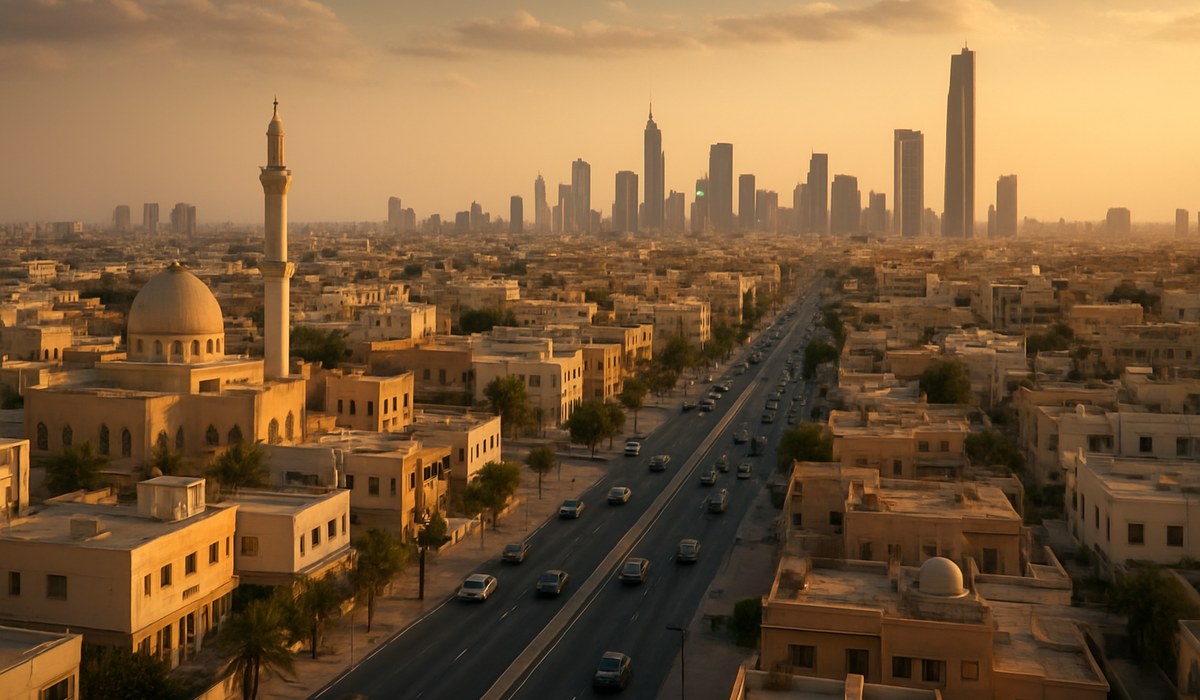
Image generated by AI
Regional Tourism Patterns Shift Across Middle East in March 2026
Kuwait, Qatar, Saudi Arabia, Bahrain, and Israel are experiencing significant tourism transformations as 2026 progresses. Travel patterns across the Middle East region have shifted considerably this year, with both religious and leisure tourism being redirected to alternative destinations. Emerging secondary markets in Israel's desert regions and Gulf emirates are attracting increased visitor attention as travelers reassess their travel latest middle east itineraries.
The tourism landscape now reflects complex geopolitical realities. Visitors are diversifying destinations rather than concentrating on traditional hubs. This redistribution of tourism traffic offers opportunities for lesser-known locations to establish themselves as viable alternatives in the competitive travel market.
Lesser-Known Desert Destinations Gaining Traction
Israel's desert communities, including Dimona, Arad, and Mitzpe Ramon, are experiencing unprecedented tourism interest as travelers seek authentic experiences away from conventional routes. These settlements, once overlooked by international visitors, now attract adventure seekers and wellness tourists. Desert wellness tourism has become a defining trend for 2026 travel patterns.
Arad, positioned near the Dead Sea region, leverages mineral-rich spa facilities and archaeological significance. The town offers unique thermal experiences that rival established Gulf resort destinations. Mitzpe Ramon provides dramatic crater landscapes and stargazing opportunities unavailable in urban centers. Dimona appeals to visitors interested in kibbutz culture and desert sustainability practices.
These destinations benefit from lower accommodation costs compared to Dubai or Doha. Transportation infrastructure has improved significantly, with enhanced bus services connecting remote areas to major airports. Visit Israel Tourism Board for comprehensive travel planning resources specific to desert regions.
Gulf Tourism Hubs Navigate Evolving Visitor Preferences
Kuwait City, Doha, Riyadh, Dubai, and Manama continue adapting their tourism offerings to match changing visitor interests. Kuwait's Pearl District combines shopping, dining, and waterfront entertainment appealing to regional and international tourists. Qatar's expansion includes new cultural venues complementing existing Corniche attractions and museum districts.
Saudi Arabia's Vision 2030 initiatives drive tourism development in Riyadh with mega-projects attracting business and leisure travelers. The Red Sea project introduces beachfront resort experiences previously unavailable in the kingdom. Bahrain's Manama serves as an accessible regional hub with established hospitality infrastructure supporting religious and corporate tourism.
Dubai maintains market dominance through continuous hospitality innovation and event hosting. Competition now includes emerging experiences rather than traditional shopping focuses. These destinations collectively serve different traveler demographics, from ultra-luxury seekers to budget-conscious visitors exploring travel latest middle east options.
Best Time to Visit Middle East Destinations
March through April represents optimal travel timing for Middle East tourism across 2026. Temperatures range from 22-28°C (72-82°F) in desert regions and coastal cities, providing comfortable conditions for outdoor exploration. This spring window precedes summer heat peaks making Celsius readings exceed 40°C regularly.
Religious tourism peaks around Islamic holidays following lunar calendars, while Christian pilgrimage traffic increases during Easter periods. Late autumn (October-November) offers secondary peak seasons with moderate temperatures and reduced humidity. Summer months from June through August present challenges for outdoor activities due to extreme heat, though indoor attractions remain accessible.
Accommodation availability varies seasonally. March 2026 bookings should be finalized by February to secure preferred properties. Shoulder seasons (April-May and September-October) offer competitive rates with acceptable weather conditions. Avoid July-August for outdoor-focused itineraries unless you tolerate high temperatures above 45°C.
How to Get There: Transportation Routes Across the Region
Hamad International Airport (DOH) in Doha, King Fahd International Airport (KIA) in Kuwait, and Ben Gurion Airport (TLV) near Tel Aviv serve as primary regional entry points. Major international carriers including Qatar Airways, Kuwait Airways, and El Al operate frequent services from North America, Europe, and Asia.
Ground transportation varies by destination. Kuwait City connects via modern highway systems to neighboring emirates with driving times under three hours to Doha or Riyadh. Desert communities like Arad are reached via local buses or rental vehicles from Beer Sheva, approximately 45 kilometers south. Dubai's extensive airport connections provide options for onward travel throughout the Gulf.
Regional airlines offer affordable connections between hub cities. Budget carriers provide service between major airports reducing per-segment costs. Road journeys between neighboring countries require valid documentation and vehicle permits. Lonely Planet Middle East Travel Guide includes comprehensive transportation details and route planning assistance.
Religious Tourism Adaptations and Spiritual Experiences
Religious tourism represents significant economic activity across Israel, Saudi Arabia, Qatar, Kuwait, and Bahrain. Holy sites in Israel including Bethlehem, Jerusalem, and sacred Dead Sea areas continue attracting Christian, Jewish, and Muslim pilgrims. Facilities have expanded to accommodate diverse faith traditions with multilingual guides and accommodation options.
Islamic pilgrimage routes within Saudi Arabia extend beyond traditional Hajj seasons with Umrah becoming year-round activity. Kuwait and Qatar support growing halal tourism infrastructure with religiously-compliant hospitality services. Bahrain's position between Shia and Sunni Islamic traditions creates interfaith tourism opportunities previously underdeveloped.
These experiences blend spiritual practice with cultural immersion. Travelers encounter authentic traditions while supporting local faith communities economically. Religious tourism operators now emphasize educational components alongside devotional activities, appealing to broader visitor demographics seeking meaningful travel latest middle east experiences beyond conventional sightseeing.
Current Tourism Considerations and Safety Updates for 2026
Travel advisories for Middle East destinations require regular review through official government channels. Most major cities maintain established tourism infrastructure with professional guide services and hospitality standards. Travelers should verify visa requirements, vaccination recommendations, and travel insurance coverage with appropriate authorities.
Regional tensions influence travel patterns but don't necessarily prevent tourism. Many destinations maintain robust security protocols protecting visitor populations. Insurance plans should include coverage for trip cancellations related to geopolitical events. Emergency contact information for your country's embassy or consulate should be documented before departure.
Cultural sensitivity ensures positive interactions with local populations. Modest dress codes apply in certain religious contexts and conservative regions. Alcohol policies differ significantly between jurisdictions. LGBTQ+ travelers should research specific destination laws regarding legal protections and social acceptance. TripAdvisor Middle East Travel Forums provide peer traveler insights on current conditions and practical local knowledge.
Practical Planning Tips for Middle East Travel 2026
Currency and payments: UAE dirhams (AED), Qatari riyals (QAR), Saudi riyals (SAR), Kuwaiti dinars (KWD), Israeli new shekels (ILS), and Bahraini dinars (BHD) require currency exchange or international payment cards. ATMs are widely available in major cities with competitive exchange rates. Credit cards face acceptance variations in smaller communities.
Connectivity: International mobile plans function across the region with competitive data packages. Major providers include Etisalat, Ooredoo, and Jawwal offering visitor SIM cards at airport terminals. Wi-Fi access spans hotels, restaurants, and shopping centers.
Documentation: Passports require six months validity beyond travel dates. Visa requirements vary significantly by nationality and destination. Israel and Gulf countries maintain separate visa systems with specific entry requirements. Confirm requirements through official embassy websites minimum 60 days before departure.
Language: Arabic predominates across the region with English widely spoken in tourism sectors. Hebrew is primary in Israel with Arabic as second language. Arabic phrases enhance cultural interactions and demonstrate respect to local populations.
Health precautions: Standard vaccinations remain current. Travel insurance incorporating medical evacuation provides essential protection. Tap water is safe in major cities but bottled water is available everywhere.
| Destination | Primary Airport Code | Best Visit Period | Primary Language | Currency Code |
|---|---|---|---|---|
| Kuwait City, Kuwait | KIA | March-April | Arabic | KWD |
| Doha, Qatar | DOH | October-April | Arabic | QAR |
| Tel Aviv, Israel | TLV | March-May, September-October | Hebrew | ILS |
| Riyadh, Saudi Arabia | RUH | October-November | Arabic | SAR |
| Dubai, UAE | DXB | November-March | Arabic | AED |
| Manama, Bahrain | BAH | October-April | Arabic | BHD |
| Arad, Israel | N/A (use TLV) | March-May | Hebrew | ILS |
| Mitzpe Ramon, Israel | N/A (use TLV) | March-April, September-October | Hebrew | ILS |
What This Means for Travelers Planning 2026 Journeys
Travelers exploring travel latest middle east options benefit from understanding shifting tourism patterns. Alternative desert destinations offer authentic experiences with fewer crowds than established hubs. Budget allocations should account for varying costs across destinations, with Israeli desert communities often cheaper than Gulf resort destinations.
Trip planning requires flexibility regarding itinerary adjustments based on current conditions and cultural events. Booking accommodations and flights two to three months in advance secures better rates and availability. Multi-country itineraries maximize regional flight networks reducing per-segment costs.
Group travel, particularly for religious tourism, benefits from professional guides familiar with specific traditions and local protocols. Solo travelers find excellent support through established tourism infrastructure in major cities. Families discover diverse attractions spanning adventure activities, cultural sites, and wellness facilities across the region's varied destinations.
Frequently Asked Questions About Travel Latest Middle East in 2026
What impacts current travel to Middle East destinations in 2026? Regional geopolitical tensions have redistributed visitor patterns toward alternative destinations. Traditional tourist hubs maintain operations while secondary markets including Israeli desert towns and smaller Gulf cities attract increased interest. Tourism infrastructure remains robust with professional services and security protocols protecting visitor populations across established destinations.
Which lesser-known Middle East destinations deserve visitor consideration? Arad, Dimona, and Mitzpe Ramon in Israel's desert regions offer authentic experiences with wellness facilities, archaeological sites, and natural landscapes unavailable in major urban centers. These towns provide budget-friendly alternatives to Dubai and Doha with distinctive cultural and environmental experiences appealing to adventure travelers and spiritual seekers.
How does travel latest middle east tourism differ from previous years? 2026 travel patterns emphasize diversified destinations rather than concentrated hub-based tourism. Visitors increasingly seek meaningful cultural interactions and wellness experiences over conventional shopping and entertainment. Religious tourism has adapted to incorporate educational and interfaith components expanding appeal beyond traditional pilgrim demographics.
When should travelers book Middle East trips for optimal experiences? March through April and October through November offer ideal weather conditions across most destinations. These shoulder and winter seasons provide moderate temperatures, lower humidity, and manageable accommodation availability. Booking two to three months in advance secures competitive rates and preferred properties during peak periods.
Related Travel Guides
- Heathrow's 6.6M Passengers Mask Infrastructure Crisis as Middle East Conflict Reshapes Global Routes
- Australia Issues Urgent Travel Alerts for Tanzania, Mozambique, Colombia, and Brazil in 2026
- Saudi Arabia Summer Travel Destinations 2026 Reveal Unexpected Long-Haul Markets Winning Millions of Holiday Searches as Travelers Chase New Global Experiences: New Travel Alert
Disclaimer
This article is for informational and educational purposes only. It does not constitute legal, financial, or professional advice. While we strive to provide accurate and up-to-date information, travel policies, regulations, and conditions change rapidly. Always verify information with official sources before making travel decisions. Nomad Lawyer makes no representations about the accuracy, reliability, completeness, or suitability of the information provided. Readers should consult qualified professionals for advice specific to their circumstances. The views expressed in this article are those of the author and do not necessarily reflect the views of Nomad Lawyer.
Raushan Kumar
Founder & Lead Developer
Full-stack developer with 11+ years of experience and a passionate traveller. Raushan built Nomad Lawyer from the ground up with a vision to create the best travel and law experience on the web.
Learn more about our team →