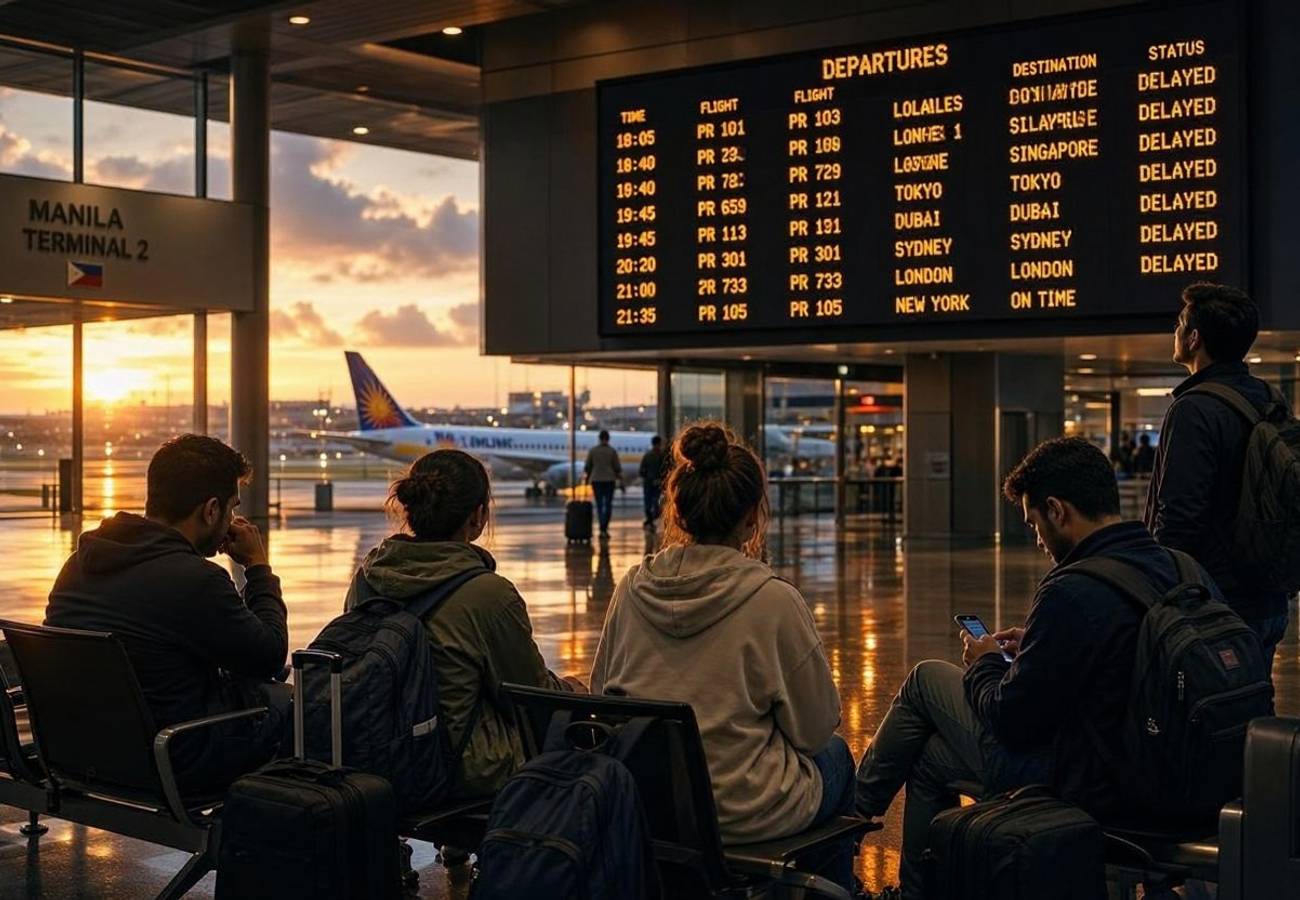
US Aviation Crisis 2026: Nationwide Airport Shutdown Impacts Tourism Revenue and Flight Schedules

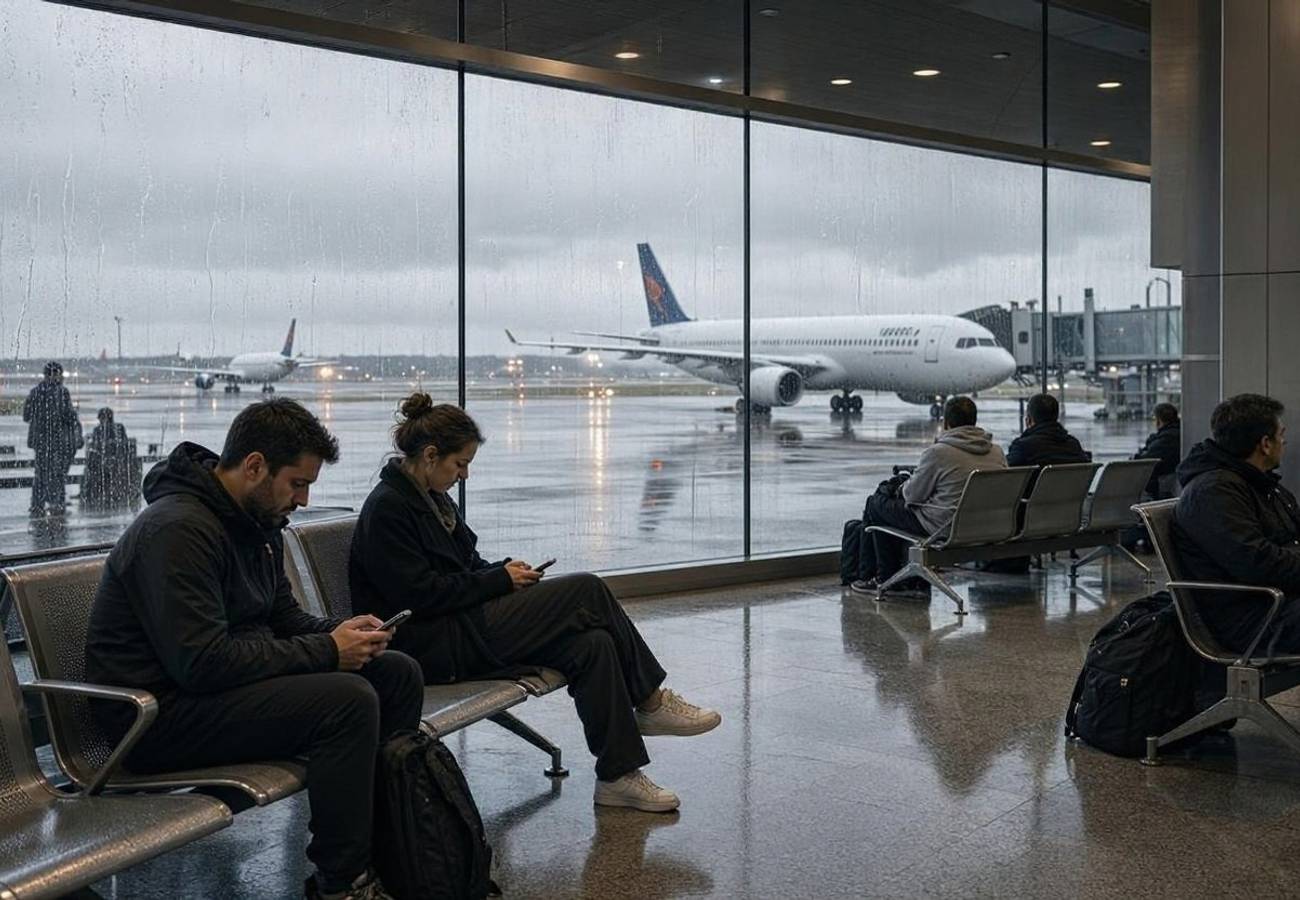
Image generated by AI
A single technical glitch on November 13, 2026, managed to paralyze 17 of the 22 air route traffic control centers across the United States, effectively freezing the nation's skies. While the Federal Aviation Administration (FAA) managed to restore operations by 8:15 pm Eastern Time that same evening, the ripple effect triggered a logistical nightmare for thousands of travelers and a financial scare for the American hospitality sector.
The Fragility of the US Visitor Economy
The sudden nationwide ground stop was not a result of a cyberattack, but rather a failure of aging infrastructure. According to the Federal Aviation Administration (FAA), excessive network traffic overwhelmed communications and radar systems, leading to the cancellation of approximately 12,462 flights on Friday alone.
For the nomad or the high-end tourist, the impact extends far beyond a delayed boarding call. The US visitor economy operates on a precision clock; when flights vanish, the downstream effects hit hotel occupancy, pre-paid sightseeing tours, and timed-entry attractions. While the government has not released a definitive dollar amount for the losses incurred during this specific window, the timing is particularly precarious. International spending was already trending downward before the shutdown, with July 2026 data from the National Travel and Tourism Office showing international visitors spent US$20.4 billion—a nearly 1% drop compared to July 2025.
High-Stakes Hubs: Where the Money is at Risk
The economic anxiety is most acute in gateway states that rely heavily on overseas capital. When the skies close, the financial hit is felt most sharply in the coastal hubs.
International Visitor Spending by State (2024 Baseline)
| State | Overseas Visitor Spending (2024) |
|---|---|
| New York | US$32.1 billion |
| California | US$26.9 billion |
| Florida | US$25.2 billion |
| Texas | US$7.9 billion |
| Massachusetts | US$7.7 billion |
These figures, provided by the US Department of Commerce, highlight why a nationwide shutdown is more than a transport issue—it is a macroeconomic threat. In cities like New York or Miami, a 24-hour freeze in arrivals translates to millions in lost revenue for local restaurants, car rental agencies, and boutique hotels.
Visitor Insider Tips
If you find yourself caught in a US aviation meltdown, the difference between a refund and a loss depends on how you handle the next 60 minutes.
- The Refund Rule: Under US Department of Transportation (DOT) regulations, if your airline cancels your flight and you choose not to take the alternative transportation offered, you are entitled to a refund. Do not let an agent convince you that a "travel voucher" is your only option.
- The "Stranded" Strategy: During nationwide shutdowns, airport hotels fill up in minutes. If you are stuck at a hub like ATL or JFK, immediately check for hotels in the surrounding suburbs accessible by rideshare rather than waiting for the airport-adjacent properties to show availability.
- Timing Your Recovery: When flights resume, the "recovery phase" usually takes 3-5 days as crews and aircraft are repositioned. If your flight is delayed, check the flight status of the incoming aircraft to see if it is actually physically at the airport before heading to the terminal.
- Booking Buffer: For those visiting high-density areas like Florida or California, always book your "must-see" attractions (like National Parks or museum galleries) for the second or third day of your trip to allow for travel delays.
Cultural and Environmental Context
This crisis has stripped away the facade of American aviation efficiency, revealing a reliance on outdated systems. The US government is now attempting to pivot toward modernization, with US$12.5 billion in congressional funding earmarked for aviation infrastructure.
From a cultural perspective, this event underscores the tension between the US's ambition to remain the world's top destination and the reality of its crumbling technical foundations. For the local communities in tourism-heavy zones, the instability of the aviation network creates a volatile job market for seasonal workers who depend on the predictable flow of international arrivals. As the industry pushes for "resilience," the focus is shifting from merely moving passengers to ensuring that the entire ecosystem—from the radar tower to the hotel front desk—can withstand a system failure.
FAQ: Visiting the USA 2026
Are US airports currently operating normally? Yes, the FAA resumed operations on November 13. However, airlines may still be adjusting crew schedules and aircraft positioning, so checking your flight status via the airline app is essential.
What are my rights if my flight is cancelled? If you decline the alternative flights offered by the airline after a cancellation, you are eligible for a refund under US Department of Transportation rules.
Is it safe to travel to the US right now? Yes, the shutdown was a technical failure and not a security threat. There is no evidence of cyberattacks or safety compromises to the aircraft themselves.
How do I get a refund for a missed hotel stay? Review your booking's cancellation policy. If the shutdown was a "force majeure" event, some hotels may offer credits, but official DOT refunds apply only to the flight portion of your trip.
The skies have cleared, but the trust in the system remains grounded.
Related Travel Guides
This article is for informational purposes. Flight routes, passenger regulations, visa rules, and transit advisories are subject to change by airlines and aviation authorities. Readers are advised to verify schedules and travel documentation with relevant carriers and border agencies before departure.
Related Stories

Montana and Idaho Winter Travel Alert: Heavy Snow Forecast for Mountain Passes November 2026
Bimini Bahamas Travel Alert: Two American Tourists Die in North Bimini Drowning Tragedy 2026