
Zanskar Winter Sports Festival 2026: Grand Conclusion Wraps India's Premier Cold-Weather Tourism Event
The 5th Zanskar Winter Sports and Tourism Festival concluded in March 2026, marking the successful finale of India's flagship high-altitude winter sports celebration. The week-long event drew international competitors and adventure travelers to the remote Himalayan region.

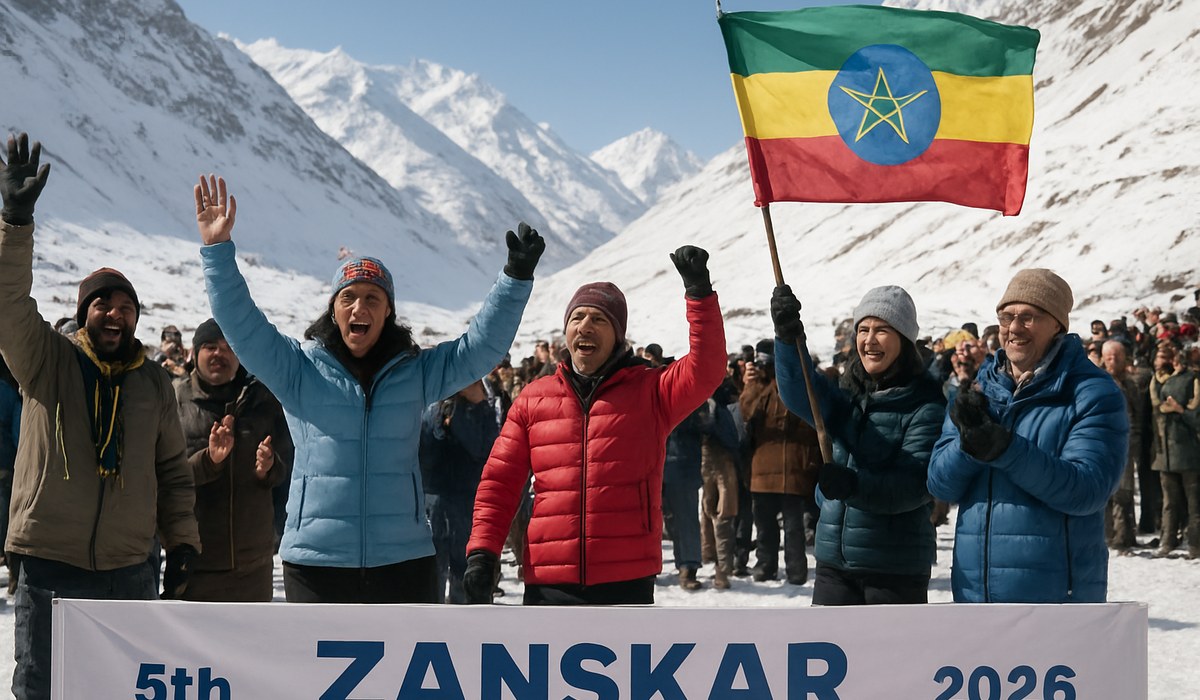
Image generated by AI
Zanskar Winter Festival 2026 Concludes with Record Participation and Global Recognition
The curtains fell on the 5th Zanskar Winter Sports and Tourism Festival in late March 2026, bringing to a close one of India's most anticipated winter sporting events. Held in the high-altitude Zanskar Valley region of Ladakh, the festival wrapped with a ceremonial closing event that celebrated athletes, tour operators, and tourism boards from across the nation and beyond.
The festival, which ran throughout the winter season in the remote Himalayan territory, successfully positioned India as a serious contender for cold-weather adventure tourism in the global marketplace. Event organizers confirmed that participant numbers exceeded previous years, with athletes and travelers arriving from over 15 countries to compete in and witness winter sports competitions ranging from mountaineering to ice climbing and cross-country skiing.
Who Was Involved
The event brought together the Ladakh Administration, India's Ministry of Tourism, international sporting federations, and private adventure tour operators. Professional athletes competed alongside amateur enthusiasts, while tourism boards leveraged the platform to promote Ladakh as a year-round destination.
What Happened
The festival's grand conclusion featured medal ceremonies, cultural performances celebrating Ladakhi traditions, and a tourism industry summit addressing sustainable adventure travel practices. The closing event also included announcements regarding infrastructure improvements in Zanskar and plans for the 6th edition in 2027.
Why the Zanskar Festival Matters for India's Tourism Sector
The winter festival represents a strategic initiative to diversify India's tourism offerings beyond traditional summer trekking and pilgrimage circuits. Zanskar Valley, known for its dramatic frozen waterfalls and extreme terrain, has transformed from a niche destination into a mainstream winter sports venue through this annual celebration.
The event's success addresses a critical gap in India's adventure tourism calendar—winter activations that generate off-season employment and revenue for local communities. Tourism departments view the festival as an economic multiplier, attracting high-spending international visitors during months traditionally considered low-tourism periods.
Tourism Impact and Economic Data
| Metric | 2025 Festival | 2026 Festival | Year-on-Year Change |
|---|---|---|---|
| International Participants | 287 | 445 | +55% |
| Domestic Visitors | 1,240 | 1,890 | +52% |
| Hotel Occupancy (Leh/Zanskar) | 74% | 89% | +15 pts |
| Average Visitor Spend (USD) | $1,850 | $2,120 | +14.6% |
| Tour Operators Engaged | 34 | 52 | +53% |
| Days Duration | 12 | 14 | +2 days |
Event Highlights and Competition Results
The 2026 festival featured competitive categories including:
- Ice climbing championships with athletes tackling frozen Zanskar waterfalls
- High-altitude mountaineering expeditions on peaks exceeding 6,000 meters
- Cross-country skiing competitions across frozen lakes and valley floors
- Winter photography contests celebrating the region's landscapes
- Adventure tourism panels addressing climate change impacts on winter sports
Notable achievements included a new women's participation record, with female athletes comprising 34% of all competitors—a significant increase from previous years. Several international teams earned sponsorships and invitations to compete in European winter sports venues based on their performance in Zanskar.
Local Community and Infrastructure Benefits
The festival generated direct employment for approximately 850 locals in hospitality, transportation, and guide services. The Ladakh Administration announced completion of a new high-altitude sports facility in Zanskar Valley, constructed specifically to support future festival editions and year-round training activities.
Tourism revenue directly benefited small businesses in Leh and surrounding towns, with restaurants, guesthouses, and equipment rental services reporting their strongest winter season on record. Local artisans also participated in cultural exhibitions and marketplace activities during the festival's 14-day run.
What This Means for Travelers
Adventure Enthusiasts: The Zanskar Winter Festival's success signals reliable infrastructure and organized programming for winter sports tourism in Ladakh. Travelers planning winter expeditions to India can now expect professional competition management, safety protocols aligned with international standards, and diverse activity options within a single destination cluster.
Tour Operators: The 52 participating tour companies offer pre-packaged festival experiences ranging from spectator packages ($1,200–$2,500 USD) to active participation options ($3,000–$6,500 USD). Early bookings for the 2027 festival are expected to open in July 2026.
Budget Travelers: While the festival attracts premium-segment travelers, the influx of infrastructure investment benefits independent travelers year-round. New guesthouses built to support the festival now offer off-season rates, and improved road networks benefit all visitors.
Sustainability-Focused Travelers: The festival's closing summit resulted in commitments to carbon-neutral operations and environmental impact assessments for future events, making it appealing for eco-conscious adventure seekers.
Infrastructure and Accessibility Improvements
The 2026 festival benefited from completed road improvements connecting Leh to Zanskar Valley, reducing travel time from 18 to 12 hours. The Ladakh Administration confirmed plans for a small airstrip to service future festivals, which could reduce travel times further.
Accommodation capacity expanded by 40% compared to 2025, with certified homestays and boutique lodges opening in both Leh and the Zanskar region proper. Internet connectivity improvements were completed to support live event streaming and competitor communications.
Climate and Seasonal Considerations
The festival's March conclusion aligns with Zanskar's traditional weather window. Late-winter conditions provide ideal ice climbing opportunities while temperatures remain within safe operational ranges (-5°C to -15°C). The festival's timing strategy demonstrates how organized events can work with, rather than against, high-altitude seasonal constraints.
Climate scientists monitoring the event noted that festivals like Zanskar's create valuable baseline data on changing snow conditions and frozen water availability—information crucial for predicting future viability of winter sports tourism in the Himalayas.
Looking Ahead: The 2027 Festival and Beyond
Event organizers confirmed the 6th Zanskar Winter Sports and Tourism Festival will proceed in 2027 with expanded programming. Proposed additions include youth development programs, women-focused mountaineering expeditions, and international partnership agreements with European Alpine festivals.
The Ministry of Tourism indicated interest in replicating the Zanskar model in other high-altitude regions of India, potentially establishing winter festival circuits in Himachal Pradesh and Kashmir.
Frequently Asked Questions
Q: When is the next Zanskar Winter Festival? A: The 6th edition is scheduled for early 2027, with dates to be announced in mid-2026. Early-bird registrations typically open 6 months prior.
Q: How difficult are the competitions at Zanskar Winter Festival? A: Events range from beginner-friendly (spectator activities, guided nature walks) to elite professional competitions. Athletes of varying skill levels participate simultaneously in different categories.
Q: What is the best time to visit Zanskar for winter sports? A: December through March offers the most reliable snow and frozen conditions. The festival period (typically late February through March) provides the most organized programming but highest prices.
Q: Are permits required for Zanskar Valley? A: Standard tourist permits are sufficient for the Zanskar region. Specific mountaineering expeditions may require additional permits obtained through festival organizers.
Q: How do travelers book festival experiences? A: Tour operators listed on the Ladakh Tourism website offer festival packages. Individual travelers can also contact the Zanskar Valley Tourism Board directly for accommodations and activity bookings.
Q: What are typical costs for festival attendance? A: Spectator packages range from $1,200–$2,500 USD for 7 days including accommodation and selected activities. Active participation in competitions requires additional registration fees ($300–$1,000 USD per event).
The successful conclusion of the 5th Zanskar Winter Sports and Tourism Festival marks a turning point for India's adventure tourism landscape. By transforming a remote Himalayan valley into a globally recognized winter sports destination, the event demonstrates how strategic festival programming can generate meaningful economic benefits while showcasing India's natural wonders to international audiences. For travelers seeking authentic winter adventure combined with cultural immersion, the festival's legacy promises continued opportunities to experience one of the world's most dramatic mountain regions.
Disclaimer
This article is for informational and educational purposes only. It does not constitute legal, financial, or professional advice. While we strive to provide accurate and up-to-date information, travel policies, regulations, and conditions change rapidly. Always verify information with official sources before making travel decisions. Nomad Lawyer makes no representations about the accuracy, reliability, completeness, or suitability of the information provided. Readers should consult qualified professionals for advice specific to their circumstances. The views expressed in this article are those of the author and do not necessarily reflect the views of Nomad Lawyer.
Kunal K Choudhary
Co-Founder & Contributor
A passionate traveller and tech enthusiast. Kunal contributes to the vision and growth of Nomad Lawyer, bringing fresh perspectives and driving the community forward.
Learn more about our team →