
Tourism Department and ASI Join Forces for Major Heritage Revamp
Tourism Department and ASI Join Forces for Major Heritage Revamp

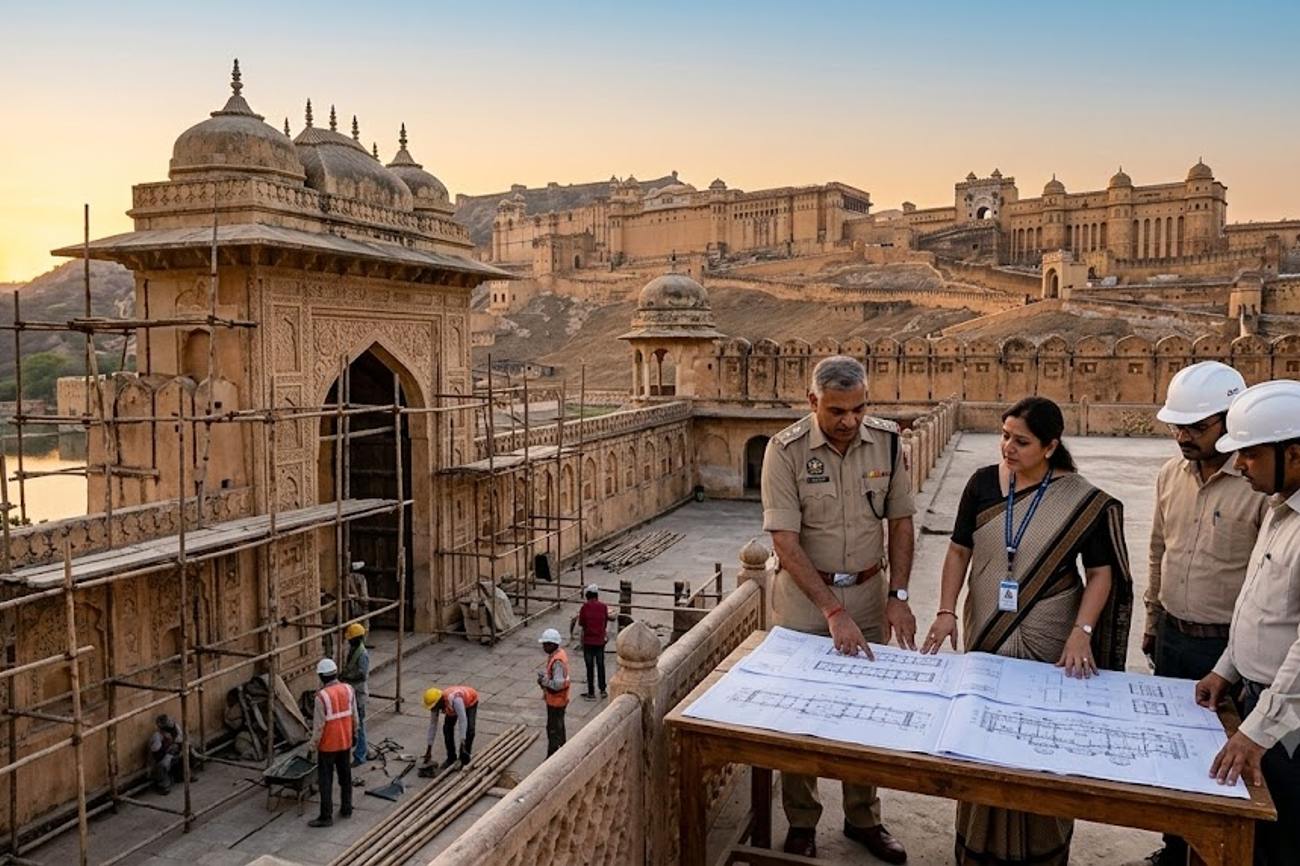
Image generated by AI
[New Delhi, May 2024] — The Archaeological Survey of India (ASI) and the regional tourism department have entered a formal partnership to structurally overhaul 135 heritage sites. This large-scale developmental initiative focuses on the comprehensive restoration of architectural landmarks and cultural assets to prevent further environmental decay and urban encroachment.
The collaboration establishes a unified administrative command structure to eliminate the bureaucratic delays and funding bottlenecks that plagued previous conservation efforts. By combining the technical expertise of the Archaeological Survey of India (ASI) with state-backed funding and implementation strategies, the project aims to stabilize decaying structures while expanding the regional cultural tourism footprint across multiple districts.
The Catalyst for Structural Revamp
The immediate trigger for this initiative is the critical state of degradation affecting numerous historical monuments. For years, preservation efforts operated in functional isolation, with fragmented jurisdiction between local administrative bodies and central authorities. This disconnect led to inconsistent resource distribution and protracted restoration timelines, leaving many sites vulnerable to the elements and urban sprawl.
The new policy framework shifts away from isolated structural repairs toward a modern developmental paradigm. It integrates heritage conservation directly with regional tourism marketing and the creation of cohesive travel circuits. This strategic intervention ensures that historical landmarks are no longer treated as static relics but are instead integrated into a dynamic, visitor-friendly ecosystem.
Markets and Sites Impacted
The project spans 135 distinct heritage sites, focusing on a variety of architectural and cultural assets. While specific site lists are being rolled out in phases, the impact is distributed across several key sectors:
- Historical Monuments: Full architectural stabilization and the use of advanced conservation technologies to protect fragile materials.
- Cultural Corridors: The development of "tourism circuits" that link multiple revitalized locations to encourage longer visitor stays.
- Regional Infrastructure: Upgrades to pedestrian pathways, lighting, security installations, and the construction of dedicated visitor facilitation centers.
- Local Economies: Direct benefits for boutique hoteliers, certified local guides, artisan-craft producers, and transportation networks.
Practical Traveler Advisory and Strategic Insights
For the modern traveler, this initiative translates into a significant upgrade in the physical and digital experience of visiting historical sites. The focus is moving beyond simple preservation to "visitor engagement."
Immediate Passenger and Visitor Impact:
- Improved Accessibility: Travelers will find better-maintained pedestrian pathways and seamless access points, reducing the physical barriers to exploration.
- Enhanced Information: The rollout includes updated informative signage and digital integration, allowing visitors to access historical data via mobile devices or on-site kiosks.
- Reduced Congestion: New systematic management of visitor traffic is being implemented to prevent overcrowding at sensitive locations, ensuring a more intimate and less chaotic experience.
- Temporary Disruptions: Because restorations are phased, travelers should expect temporary closures of specific zones. It is essential to check official updates via the Ministry of Tourism before finalizing itineraries.
The Economic and Operational Roadmap
The project is not merely a conservation effort but a sustainable financial model designed to position the region as a premier global cultural hub. By leveraging state funds for structural repairs and lighting, the government is creating a "multiplier effect" intended to draw in private sector investment.
Operational execution involves a meticulous phased approach. Coordination committees, consisting of both state officials and archaeological experts, are now monitoring progress timelines and budgetary allocations to ensure transparency. Maintenance protocols have been established to ensure that once a monument is renovated, it undergoes regular inspections to prevent a return to its previous state of decay.
The collaboration between the Tourism Department and the Archaeological Survey of India (ASI) aims to enhance visitor infrastructure and preserve structural integrity at key historical sites. Travelers can find updated guidelines and site accessibility details through the official Archaeological Survey of India portal.
This shift toward circuit-based travel planning also includes the enhancement of river tourism, linking water-based transit with land-based heritage sites. This holistic approach is designed to increase the average length of stay for international and domestic tourists, thereby increasing the revenue generated for local vendors and hospitality providers.
FAQ: Heritage Site Restorations 2024
Will all 135 sites be closed during renovation? No. Restorations are being conducted in a phased manner. Only specific zones within a site or individual monuments will be closed temporarily. Travelers are advised to monitor official tourism portals for real-time closure alerts.
How will this change the cost of visiting these sites? The report does not specify changes to ticket pricing. However, the introduction of "visitor facilitation centers" and digital integration may offer new tiered service options for guided tours and immersive experiences.
What new amenities can visitors expect on-site? Visitors will see upgraded pedestrian walkways, improved lighting for safety and aesthetics, clearer informative signage, and digital tools designed to aid in the historical exploration of the landmarks.
Who is overseeing the quality of the restorations? A joint coordination committee comprising state officials and experts from the Archaeological Survey of India (ASI) is responsible for monitoring compliance standards, budgetary spend, and the technical accuracy of the architectural stabilization.
A new era of cultural accessibility begins as India's ruins are transformed into sustainable tourism engines.
Related Travel Guides
- Mount Manaslu Autumn Season Kicks Off With Record 466 Climbers and Historic Permit Revenue in Nepal
- Saudi Arabia Joins Oman, Jordan and Other Nations in Latest US Department of State Travel Advisory Because of Conflict, Health and Crime: New Alert
- The Ultimate Guide to Extreme Tourism: 6 Thrilling Destinations for Fearless Travellers
Disclaimer
This article is for informational and educational purposes only. It does not constitute legal, financial, or professional advice. While we strive to provide accurate and up-to-date information, travel policies, regulations, and conditions change rapidly. Always verify information with official sources before making travel decisions. Nomad Lawyer makes no representations about the accuracy, reliability, completeness, or suitability of the information provided. Readers should consult qualified professionals for advice specific to their circumstances. The views expressed in this article are those of the author and do not necessarily reflect the views of Nomad Lawyer.
Raushan Kumar
Founder & Lead Developer
Full-stack developer with 11+ years of experience and a passionate traveller. Raushan built Nomad Lawyer from the ground up with a vision to create the best travel and law experience on the web.
Learn more about our team →