
The Ultimate Guide to Extreme Tourism: 6 Thrilling Destinations for Fearless Travellers
The Ultimate Guide to Extreme Tourism: 6 Thrilling Destinations for Fearless Travellers

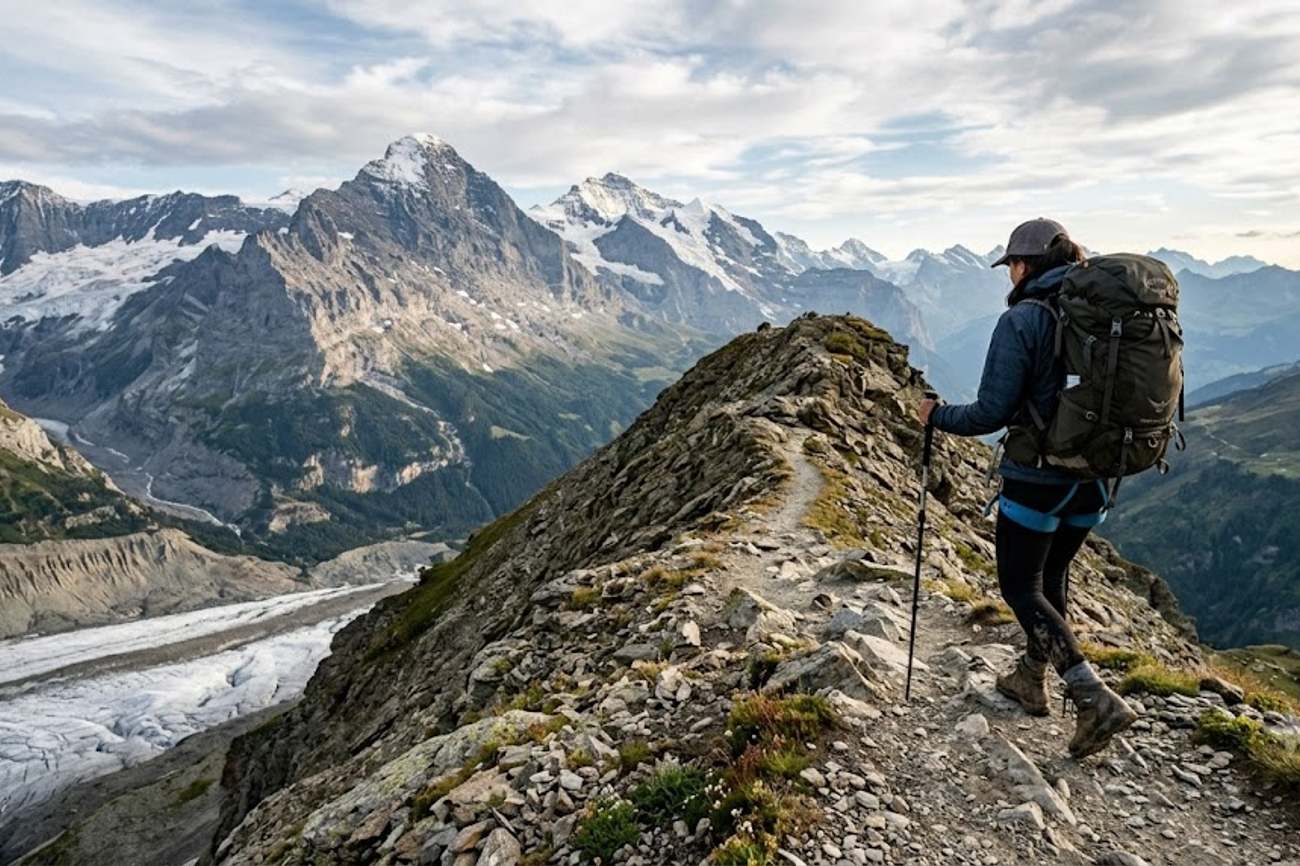
Image generated by AI
The Rise of Visceral Endurance Travel
The iron ore train of Mauritania is a 1.5-mile-long industrial behemoth that offers no tickets, no seats, and no safety guarantees, leaving travelers to cling to the roofs of carriages while coated in choking iron dust. This is the current frontier for a growing movement of explorers who are abandoning the sanitized luxury of infinity pools and air-conditioned buses. There is a palpable shift away from algorithmic travel curation toward "extreme tourism"—a sector defined by journeys to desolate or dangerous zones where the modern safety net is completely removed. For these travelers, the goal is not relaxation, but a psychological confrontation with the planet's most punishing environments, where survival depends on grit and adaptability rather than a concierge service.
The New Frontiers of High-Stakes Exploration
What separates these experiences from standard adventure travel is the removal of the "buffer." While soft ecotourism provides a guided window into nature, the current trend in extreme travel demands total immersion in hostility. Whether it is the freezing nights of the Sahara or the -50°C plunges of the Siberian wilderness, the appeal lies in the raw, unpolished nature of the journey. These are not curated tours; they are tests of human physiological and psychological limits.
From the tectonic volatility of East Africa to the pelagic depths of the open ocean, the focus has shifted toward "industrial edges" and "geological crucibles." Travelers are increasingly seeking out locations that are actively hostile to human life, treating the journey as a masterclass in endurance. This movement is a direct reaction to the homogenization of global tourism, where every destination begins to look and feel the same. By choosing the "Road of Bones" over a paved highway, or an uncaged shark encounter over a glass-bottom boat, explorers are reclaiming a sense of genuine risk and unfiltered connection to the earth.
What Makes These Extremes Different
Each of these destinations offers a specific type of hardship that challenges a different facet of human resilience.
In Mauritania, the challenge is elemental and industrial. Riding the train from the mining center of Zouerat to the port of Nouadhibou requires enduring biting winds and extreme temperature swings while perched atop millions of tonnes of iron ore. It is a journey of sensory overload—the deafening roar of diesel engines contrasted with the absolute silence of a desert star canopy.
In Ethiopia, the Danakil Depression presents a chemical and thermal challenge. Located at a volatile tectonic triple junction, this region features neon-green acid ponds and the permanent lava lake of Erta Ale. With surface temperatures frequently exceeding 50°C, the environment is practically alien. Because of the volatility of the region, the Ethiopian government and local authorities mandate that visitors be accompanied by armed security guards.
Bolivia offers a blend of industrial decay and physical peril. While the Train Cemetery near Uyuni provides a haunting visual of the region's past, the North Yungas Road—the "Death Road"—demands intense nerve. Biking from the high Andes down into the Amazon basin involves navigating narrow, unpaved paths with sheer cliff drops and cascading waterfalls.
The Congo Basin and West Africa offer the challenge of unpredictability. Traversing these regions in repurposed overland trucks means battling deep mud, collapsing bridges, and bureaucratic hurdles. These routes are subject to seasonal blockages, meaning travelers must be entirely self-sufficient for weeks at a time.
For those seeking the cold extreme, Russia's R504 Kolyma Highway, or the "Road of Bones," is the ultimate test. Built by Gulag prisoners, this route sees winter temperatures drop to -50°C. It is a place where mechanical failure can be fatal and psychological fortitude is as important as thermal gear. Finally, the pelagic zones of the open ocean strip away the safety of the shore, placing freedivers and swimmers in the direct domain of apex predators like blue sharks and oceanic whitetip sharks without the protection of cages.
Visitor Insider Tips
Navigating these environments requires a mindset shift from "tourist" to "expedition member." If you are planning a high-stakes journey, consider these local realities:
Timing and Windows For the Danakil Depression, avoid the peak summer months when 50°C temperatures become genuinely life-threatening. The window for the R504 Kolyma Highway is narrow; unless you have professional-grade arctic gear and a vehicle modified for extreme cold, winter travel is a gamble with your life. For the Mauritanian train, be prepared for the "dust season" where iron particles can penetrate even high-quality seals on cameras and electronics.
Local Etiquette and Security In regions like the Congo Basin or Ethiopia, your relationship with your security detail and local guides is everything. These are not "employees" but your lifeline. Follow their instructions without question, especially regarding movement windows and checkpoints. In Mauritania, remember that you are hitching a ride on an industrial operation; respect the workers who manage the ore flow, as they are the only ones who can help you if you find yourself in a precarious position on the carriages.
For those venturing to the remote peaks of Nepal for high-altitude trekking, securing the correct permits is a mandatory legal requirement. Travellers must coordinate their entry and trekking permits through the Nepal Tourism Board to ensure compliance with national regulations.
Gear and Health Forget standard luggage. For the "Death Road" in Bolivia, ensure your mountain bike has reinforced brakes; the descent is grueling and constant. For the Sahara and Danakil, hydration is not just about drinking water—it is about electrolyte replacement to prevent heat stroke. In Siberia, mechanical resilience is key; carry double the spare parts you think you need, as the nearest village may be hundreds of kilometers away.
Transport Hacks When dealing with overland trucks in West Africa, always carry a physical map and a satellite phone. Digital maps frequently fail in the dense canopy of the Congo Basin. For those venturing into pelagic waters, ensure you are certified in freediving through an organization recognized by UNESCO or international diving federations to ensure you understand the risks of shallow-water blackout.
Cultural and Environmental Context
Extreme tourism exists in a delicate balance with the communities and environments it visits. In places like the Danakil Depression, the arrival of high-risk travelers brings essential currency to remote salt-mining communities, but it also puts pressure on fragile ecosystems. The neon-green acid ponds and sulphur springs are geological wonders that can be easily damaged by unregulated foot traffic.
Similarly, the "Road of Bones" in Siberia carries a heavy historical weight. It is not merely a challenge for the modern adventurer but a mass grave for the prisoners who built it. Travelers who visit these sites must balance their desire for adrenaline with a respect for the tragedy associated with the region's construction.
In the Congo Basin, the use of heavy overland trucks can exacerbate road erosion during the rainy season, potentially cutting off remote villages from essential supplies. Responsible extreme travel requires a commitment to "leaving no trace" in environments that are already fighting for survival against the elements. The goal is to interact with these regions as a witness, not a conqueror.
FAQ: Visiting Extreme Destinations 2025
What is the best time to visit the Danakil Depression? Visit between November and February. While still hot, temperatures are more manageable than the summer peaks of 50°C, making the trek to Erta Ale safer.
Do I need a visa for Mauritania or Ethiopia? Yes, both countries require visas. For Ethiopia, you can often apply for an e-visa, but for Mauritania, check the latest requirements with your embassy as regulations for the Zouerat region can change.
How do I get to the "Road of Bones" in Siberia? Most travelers fly into Yakutsk and then hire specialized 4x4 vehicles and experienced local drivers. Attempting this route without a local guide and a reinforced vehicle is highly discouraged.
Is uncaged shark diving safe for beginners? No. Pelagic open-ocean encounters require advanced freediving training and a deep understanding of shark behavior. These expeditions are designed for experienced divers who can manage their buoyancy and panic responses.
True adventure begins exactly where the map ends and the safety net vanishes.
Related Travel Guides
Disclaimer
This article is for informational and educational purposes only. It does not constitute legal, financial, or professional advice. While we strive to provide accurate and up-to-date information, travel policies, regulations, and conditions change rapidly. Always verify information with official sources before making travel decisions. Nomad Lawyer makes no representations about the accuracy, reliability, completeness, or suitability of the information provided. Readers should consult qualified professionals for advice specific to their circumstances. The views expressed in this article are those of the author and do not necessarily reflect the views of Nomad Lawyer.
Kunal K Choudhary
Co-Founder & Contributor
A passionate traveller and tech enthusiast. Kunal contributes to the vision and growth of Nomad Lawyer, bringing fresh perspectives and driving the community forward.
Learn more about our team →