Toronto Pearson Gridlock: 243 Flights Disrupted as Air Canada and Global Carriers Face Cancellations


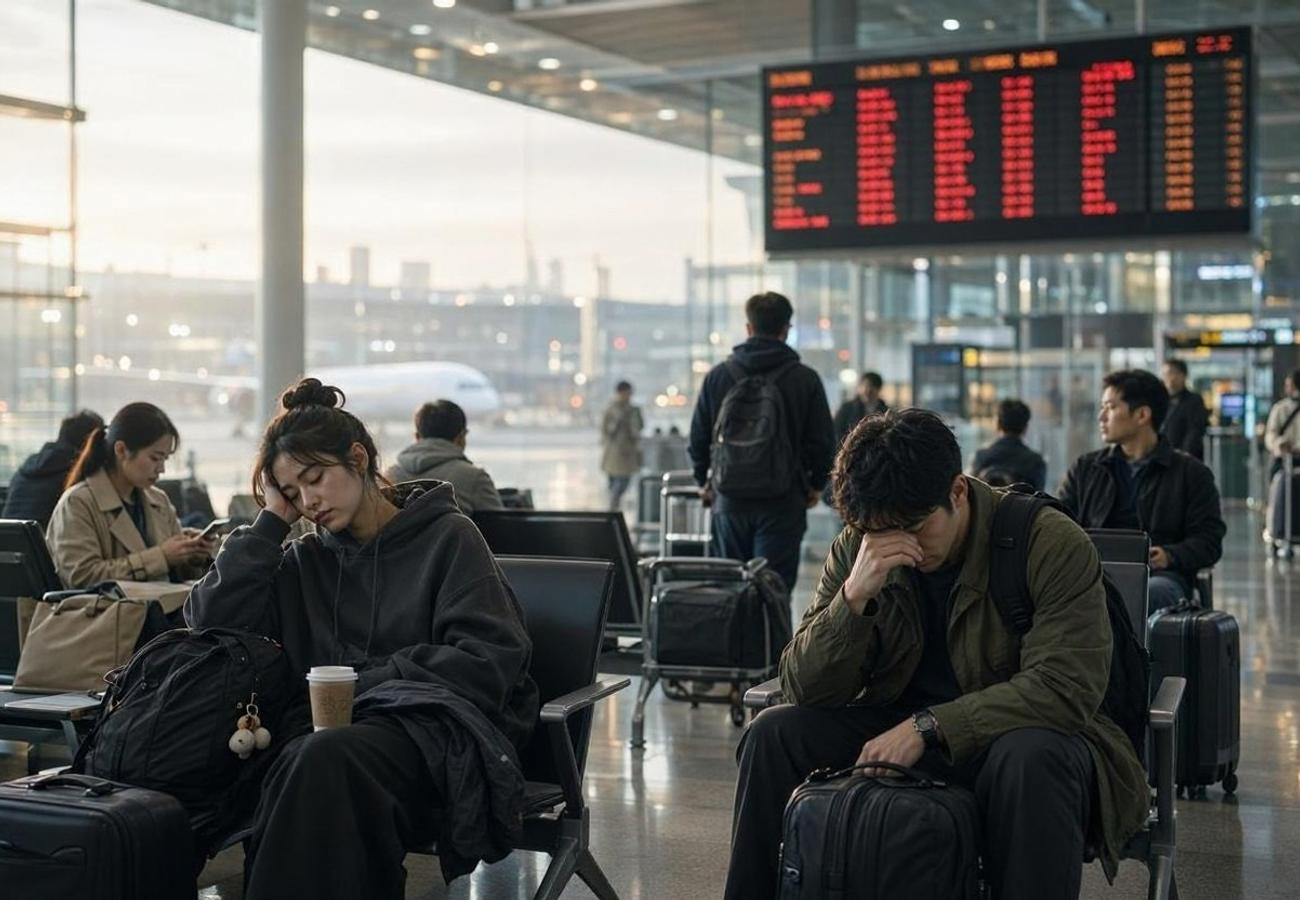
Image generated by AI
Toronto Pearson International Airport is experiencing critical operational failure, reporting 178 flight delays and 65 cancellations within a single operational cycle. The cascading disruption has crippled both domestic feeder networks and long-haul international departures, exerting severe pressure on Canada’s primary aviation gateway.
Air Canada absorbed the heaviest operational blow, with its mainline, Express, and Rouge divisions all recording mass scheduling interruptions. However, the bottleneck quickly spread beyond domestic borders. Major international operators, including Lufthansa, Air France, KLM, British Airways, and Turkish Airlines, were forced into holding patterns and extended ground delays as terminal and airspace capacity collapsed under peak-hour volume.
Key Facts Breakdown
- Total Disruptions: 243 flights affected (178 delays, 65 cancellations).
- Primary Carriers Hit: Air Canada (including Jazz/Express and Rouge), WestJet, Air Transat, and Porter Airlines.
- International Carriers Impacted: Lufthansa, Air France, KLM, British Airways, and Turkish Airlines.
- Root Causes: Acute hub congestion, aircraft turnaround inefficiencies, rigid crew scheduling constraints, and strict ATC sequencing adjustments.
- Passenger Impact: Massive rebooking queues, missed interline connections for business travelers, and baggage handling delays.
| Disruption Type | Flight Count |
|---|---|
| Delays | 178 |
| Cancellations | 65 |
| Total Impacted | 243 |
Why This Matters
Our analysis of the flight data indicates that Toronto Pearson lacks the elasticity required to absorb compounding scheduling failures during peak demand. When inbound aircraft face rotation delays, the resulting tarmac congestion immediately degrades outbound departure efficiency. Because Air Canada relies entirely on Pearson's hub-and-spoke efficiency to feed its transborder and trans-Atlantic networks, a localized delay quickly morphs into a global scheduling crisis. Furthermore, the delays experienced by widebody European carriers demonstrate how highly sensitive international rotations are to localized North American airspace capacity constraints.
Industry Outlook
Market trends suggest these operational bottlenecks will persist until airlines and airport authorities aggressively rebalance fleet rotations and improve terminal throughput. Expect Air Canada and WestJet to face a difficult multi-day recovery window as they reposition displaced crews and aircraft. Moving forward, structural capacity limits at Pearson will likely force legacy carriers to artificially throttle their scheduling density during summer peak hours, or risk continuous, costly network collapses that alienate high-yield business travelers.
Related Travel Guides
- Canada Flight Delays: Air Canada, WestJet & Porter Cancellations
- US Airspace Gridlock: 4,500 Flights Delayed as Weather and ATC Shortages Ground Operations
- SFO Airport Flight Delays: United, Air Canada & Southwest Cancellations
- Montreal-Trudeau Airport Delays: Air Canada & Jazz Cancellations
- Toronto City Centre Airport Delays: Porter & Jazz Cancellations
This article is for informational purposes. Flight routes, passenger regulations, visa rules, and transit advisories are subject to change by airlines and aviation authorities. Readers are advised to verify schedules and travel documentation with relevant carriers and border agencies before departure.
Related Stories
Asia Aviation Crisis 2026: 4,461 Delays and 365 Cancellations Hit Dubai, Delhi, and Mumbai
Vietnam Airlines Expands India Footprint with Daily Hanoi Flights from Delhi and Bengaluru Starting December 2026