Flight Disruptions Ground Toronto City Centre: 86 Regional Flights Hit by Delays and Cancellations


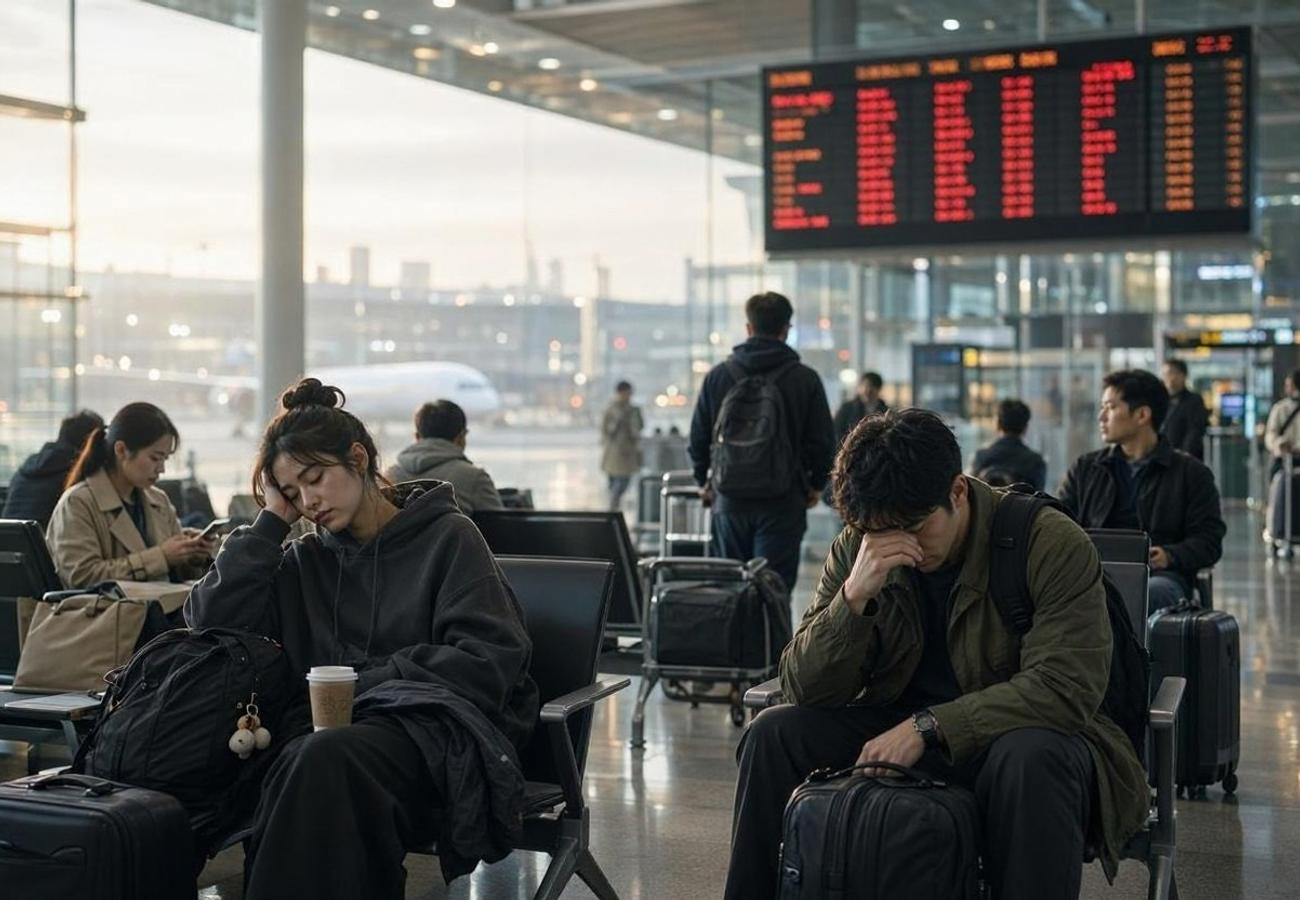
Image generated by AI
Billy Bishop Toronto City Airport is currently facing significant operational strain, reporting 54 flight delays and 32 cancellations during peak travel hours. These immediate scheduling failures have generated cascading delays across the Greater Toronto Area's regional flight network.
The disruption severely undermines the airport's core value proposition: fast, high-frequency transit between major Canadian cities like Ottawa, Montreal, and Halifax. Terminal waiting areas are operating over capacity, and airline customer support channels remain strained under the pressure of intense passenger rebooking demands.
Key Facts Breakdown
- Total Disruptions: 86 flights impacted (54 delays, 32 cancellations).
- Primary Carriers Hit: Jazz Aviation LP and Porter Airlines.
- Aggravating Factors: Tight aircraft rotation schedules, air traffic sequencing constraints, and weather variability over Lake Ontario.
- Passenger Impact: Severe challenges for same-day business itineraries and weekend cross-city leisure travel.
- Economic Effect: Immediate arrival timing shifts expected for downtown Toronto hospitality and waterfront tourism operators.
| Airline | Cancellations | Delays | Total Disruptions |
|---|---|---|---|
| Jazz Aviation LP | 28 | 18 | 46 |
| Porter Airlines | 4 | 36 | 40 |
Why This Matters
Our analysis of the flight data indicates a fundamental vulnerability in high-frequency, shuttle-style airline operations. When carriers rely heavily on rapid aircraft turnarounds, even minor peak-hour congestion compounds exponentially into network-wide failure. This incident exposes the fragile resilience of urban regional aviation networks compared to larger international hubs. Short-haul carriers must balance schedule density against operational reliability. Consistent disruptions risk alienating the highly lucrative corporate travel segment, a demographic that demands absolute predictability over marginal time savings.
Industry Outlook
Market trends suggest recovery will drag into the next operational cycle due to displaced aircraft and rigid crew scheduling constraints. Expect Jazz Aviation and Porter Airlines to stabilize their networks by prioritizing trunk routes and temporarily sacrificing lower-demand frequencies. Moving forward, regional operators face mounting pressure to inject larger block-time buffers into their daily schedules. Without these structural adjustments, airlines will struggle to absorb Lake Ontario weather patterns and localized airspace congestion without triggering mass passenger displacement.
Related Travel Guides
- Canada Flight Delays: Air Canada, WestJet & Porter Cancellations
- Colombia Flight Delays: LATAM, Avianca & Copa Cancellations
- SFO Airport Flight Delays: United, Air Canada & Southwest Cancellations
- Ottawa Airport Flight Delays: Jazz Aviation, Porter & Air Canada Cancellations
- Quebec Lesage Airport Delays: Air Canada, Air Transat & Pascan Cancellations
This article is for informational purposes. Flight routes, passenger regulations, visa rules, and transit advisories are subject to change by airlines and aviation authorities. Readers are advised to verify schedules and travel documentation with relevant carriers and border agencies before departure.
Related Stories
Asia Aviation Crisis 2026: 4,461 Delays and 365 Cancellations Hit Dubai, Delhi, and Mumbai

Vietnam Airlines Expands India Footprint with Daily Hanoi Flights from Delhi and Bengaluru Starting December 2026