
Torngat Mountains National Park Access Closes 2026 Visitor Season
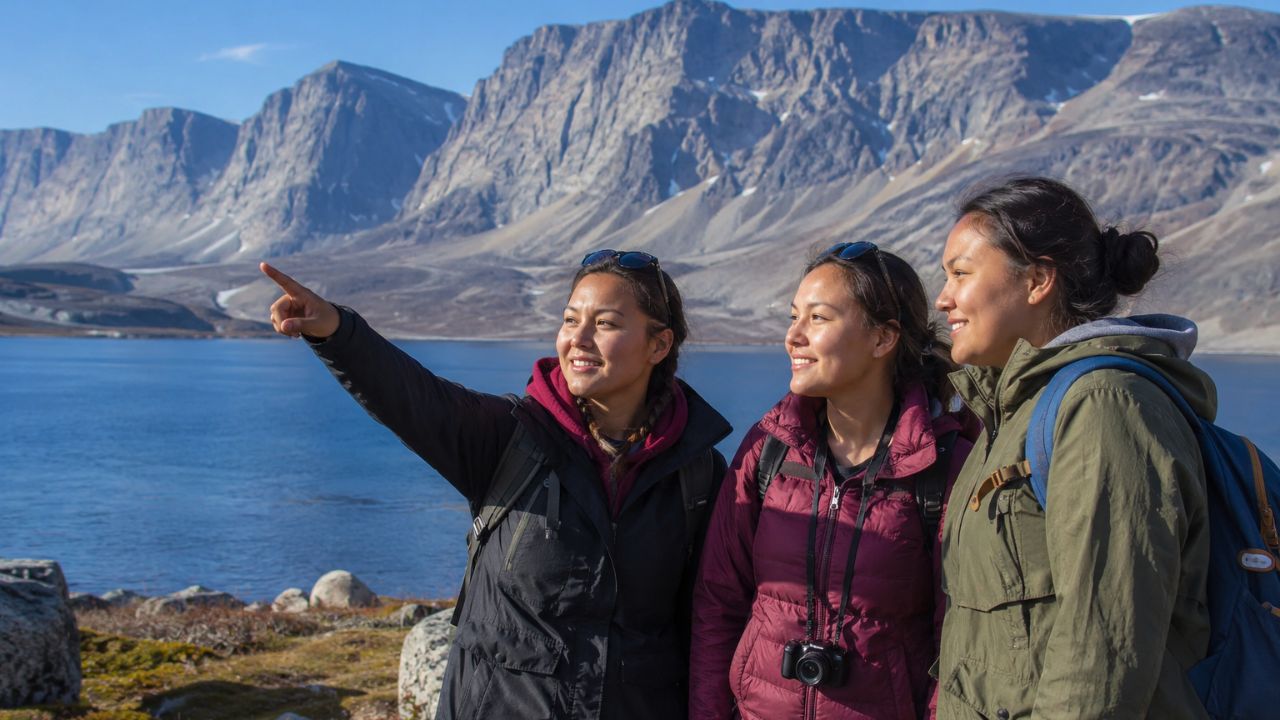
Image generated by AI
Canada’s Torngat Mountains National Park has entered the final stage of its exceptionally short 2026 visitor season, with departures to the remote northern base camp scheduled to conclude by late August. Parks Canada lists the park's operating window as mid-July to late August, while the official Base Camp program shows departures running from 13 August to 27 August, creating a narrow window for expedition travel.
Reaching this 9,700-square-kilometer Inuit homeland requires planning around complex transport logistics, charter aviation, and specialized safety systems. Because access is dependent on charter flights from Happy Valley-Goose Bay, Saglek, and Nain, travelers must secure bookings and coordinate their itineraries well in advance to accommodate potential weather delays along the Labrador coast.
The Local Trend: Tightly Managed Wilderness Expeditions
Tourism in the Torngat Mountains operates under a managed model designed to protect the fragile tundra environment and support the local Inuit community. Unlike heavily visited southern parks, Torngat Mountains National Park does not have road access, campgrounds, or tourist services. Instead, visitors stay at the Torngat Mountains Base Camp and Research Station at St. John’s Harbour in Saglek Bay, located on Labrador Inuit Lands about 200 kilometers north of Nain.
For the 2026 season, the Nunatsiavut Government contracted Arctic Kingdom to operate the Base Camp under a five-year agreement. This partnership focuses on high-value, low-impact travel, combining tourist packaging with scientific research and Inuit cultural programs.
The Base Camp offers structured packages that include charter flights between Happy Valley-Goose Bay and Saglek, meals, and guided excursions. For the remaining 2026 window, individual pricing begins at C$8,980 for a 3-day package (running 13–16 August and 20–23 August), C$10,980 for a 4-day package (running 16–20 August and 23–27 August), and C$16,980 for a 7-day package (running 13–20 August and 20–27 August).
Understanding the Financial Realities of Remote Travel
During the summer of 2026, the Canadian government implemented the Canada Strong Pass initiative, which offers free general admission to national parks, historic sites, and marine conservation areas from 19 June through 7 September. While this program provides savings for visitors traveling to southern parks, it has minimal impact on the overall cost of visiting the Torngat Mountains.
Parks Canada notes that third-party services, including transportation, accommodation, guiding, and specialized safety equipment, remain outside the free admission program. Reaching the park requires significant expenditure on regional flights to Happy Valley-Goose Bay, private charter connections to Saglek, and guided expedition packages.
Additionally, travelers must budget for overnight hotel stays and meals in Goose Bay both before and after their expedition, as coastal weather conditions frequently delay charter flights. These expenses mean that a trip to the Torngat Mountains remains a major financial commitment, suited for experienced wilderness travelers rather than casual campers.
Navigating Nain and Happy Valley-Goose Bay Gateways
The logistics of reaching the park involve a multi-stage journey through remote gateways in Labrador:
- Happy Valley-Goose Bay: The primary transport hub, offering scheduled flights from major domestic airports and serving as the departure point for chartered flights to Saglek.
- Nain: The northernmost Inuit community in Labrador, closely tied to the administration of the park. Nain serves as a gateway for local boat charters and cultural coordinators.
- Saglek to Base Camp: Upon landing at the Saglek airstrip, travelers transfer to the Base Camp via helicopter or marine Zodiac boats, depending on sea conditions and ice presence.
Parks Canada requires all independent travelers to register with park administration and attend a safety briefing and orientation in Nain or Happy Valley-Goose Bay before entering the park. This orientation covers polar bear safety, emergency communications, and cultural protocols for traveling on Inuit heritage lands.
Indigenous Stewardship and Polar Bear Safety Protocols
The Torngat Mountains are a habitat for polar bears and black bears, and encounters are highly likely throughout the summer season. To protect both visitors and wildlife, Parks Canada recommends that all excursions be accompanied by a trained Inuit polar bear guard.
These guards carry appropriate deterrents and firearms, utilizing traditional knowledge of bear behavior and terrain to navigate safely. Independent hikers are prohibited from carrying firearms within national park boundaries and must rely on non-lethal deterrents such as air horns, bear spray, and portable electric fences to protect their campsites at night.
This reliance on local expertise highlights how Indigenous stewardship is integrated into the park's operations. Inuit guides, bear guards, and administrative staff are essential to the safety and delivery of the visitor experience, ensuring that tourism supports local employment and respects the cultural heritage of the Nunatsiavut region.
Base Camp Infrastructure and Multi-Use Operations
During the 2026 season, the Nunatsiavut Government initiated capital upgrades at the Base Camp, seeking contracts for electrical improvements, platform and dome construction, washroom retrofits, and heating system upgrades. While these projects represent long-term investment in the research station, travelers must plan their visits around existing facilities, as construction timelines in the subarctic are subject to weather delays.
In addition to hosting tourists, the Base Camp serves as a community and educational center. The Nunatsiavut Government operates the Inuit Connection Program from 8 to 14 August, allowing beneficiaries of the Land Claims Agreement to return to their ancestral homeland.
Additionally, a Youth Leadership Program is scheduled from 25 to 30 August, bringing young people from Nain and Upper Lake Melville to the camp. This multi-use model ensures that the facility supports scientific research, community heritage, and youth education alongside sustainable tourism.
Traditional Gastronomy: Labrador Coastal Specialties
Gastronomy in northern Labrador focuses on wild game, fresh seafood, and berries harvested from the coastal tundra.
- Arctic Char: A cold-water fish caught along the Labrador coast, prepared by baking, pan-searing, or smoking, known for its rich, pink flesh and mild taste.
- Bakeapples: Also known as cloudberries, these golden-orange berries are harvested from boggy terrain in late summer and used to make sweet jams, tarts, and dessert syrups.
- Labrador Tea: A traditional herbal infusion made from the leaves of the wild Rhododendron tomentosum shrub, offering a mild, earthy aroma.
- Wild Partridgeberries: Small, tart red berries harvested from the rocky barrens, often baked into cakes or served as a savory relish with wild game.
Visitor Insider Tips: Traveling to Nain and the Torngat Mountains
To ensure a safe and successful expedition, keep these practical tips in mind:
- Buffer Days: Schedule at least two buffer days in Happy Valley-Goose Bay before your expedition departure and after your return to accommodate weather-related flight delays.
- Inuit Cafe Visit: While transiting through Nain, visit Cafe Illusuak at the Illusuak Cultural Center, which serves light meals and baked goods highlighting local Inuit flavors.
- Emergency Communications: Carry a satellite communication device, such as an Iridium satellite phone or an inReach communicator, as cellular service is unavailable north of Happy Valley-Goose Bay.
- Evacuation Insurance: Verify that your travel insurance policy includes comprehensive medical evacuation coverage for remote subarctic regions, as local rescue resources are limited.
Outlook: The Future of Labrador's High-Value Travel Model
The steady performance of Newfoundland and Labrador's tourism sector—which recorded approximately 531,800 air, automobile, and cruise visitors in 2025—indicates a growing interest in remote wilderness destinations. While accommodation sales in Labrador fell slightly in 2025, the average daily rate increased to C$166, reflecting a maturing market focused on quality over volume.
By maintaining a low-volume, high-value operating model, the Nunatsiavut Government and Parks Canada are protecting the Torngat wilderness from the impacts of mass tourism. This balanced approach ensures that the park remains a protected homeland for the Inuit, a site for subarctic scientific research, and a unique destination for international travelers seeking authentic wilderness experiences.
Related Travel Guides
- Fresno Yosemite Airport Triggers Emergency Logistics as 33,000 Passengers Overwhelm Terminals for July 4th
- BART Service Cuts Could Add 43 Minutes to California Journeys as Bay Area Traffic Pressure Mounts
- North American Scenic Highway Drives Surge as Blue Ridge, Yellowstone, Grand Canyon, Jasper, and Baja California Sur Report 2026 Visitor Trends
Disclaimer
This article is for informational and educational purposes only. It does not constitute legal, financial, or professional advice. While we strive to provide accurate and up-to-date information, travel policies, regulations, and conditions change rapidly. Always verify information with official sources before making travel decisions. Nomad Lawyer makes no representations about the accuracy, reliability, completeness, or suitability of the information provided. Readers should consult qualified professionals for advice specific to their circumstances. The views expressed in this article are those of the author and do not necessarily reflect the views of Nomad Lawyer.