
Top 3 Solar-Powered Luxury Rail Innovations 2026: Switzerland, UK and Spain Lead Zero-Emission Travel
Explore how Switzerland, the UK, and Spain are redefining high-end tourism through solar-powered rail and renewable energy ecosystems in 2026.

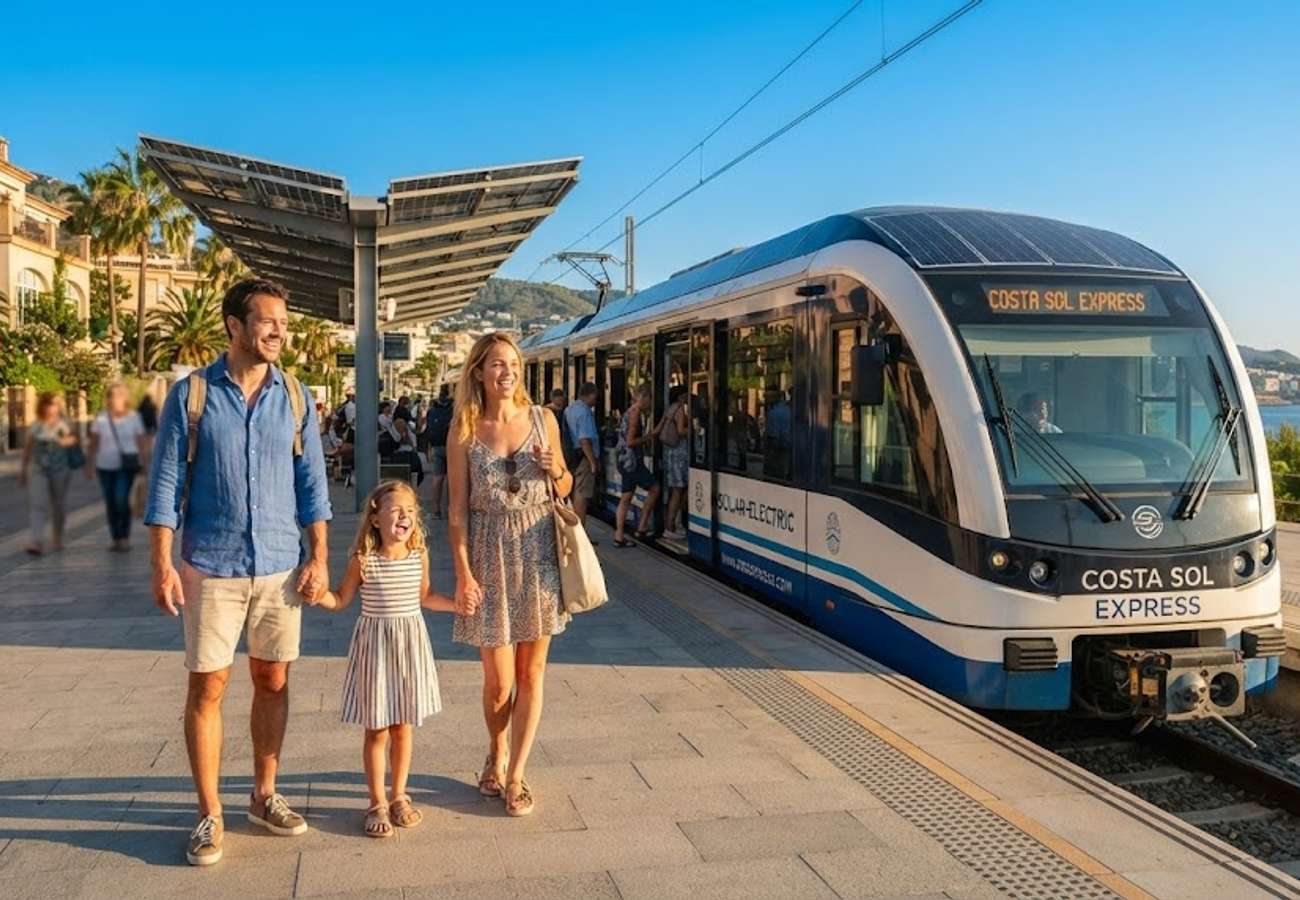
Image generated by AI
The era of high-carbon luxury is ending. Three European nations are now proving that opulent rail travel can coexist with aggressive zero-emission targets through solar integration and renewable grids.
The shift toward responsible tourism has pushed the rail industry to move beyond simple electrification. In 2026, the focus has evolved into a sophisticated blend of onboard solar arrays, battery storage, and renewable energy ecosystems. While the dream of a fully solar-powered intercity super-train remains a technical challenge due to energy density requirements, Switzerland, the United Kingdom, and Spain have implemented three distinct, scalable models for green luxury.
Switzerland's Renewable Alpine Ecosystem
Switzerland has avoided the pitfall of attempting to power massive luxury trains solely via roof-mounted panels. Instead, the nation has pioneered a "system-wide" approach to sustainable luxury.
The Swiss model focuses on a comprehensive renewable railway ecosystem. By powering its world-famous scenic routes through a national grid heavily supported by hydroelectric and solar installations at railway facilities, Switzerland ensures that the passenger experience remains premium without the environmental cost.
This strategy prioritizes infrastructure over individual carriage modifications. By integrating cleaner energy systems into the broader network, the Swiss alpine rail experience provides high-end comfort and panoramic views while maintaining a low-carbon footprint.
The UK's Heritage Transformation in Brighton
While Switzerland focuses on the network, the United Kingdom is demonstrating how to modernize historical assets. The Volks Electric Railway in Brighton serves as a primary case study for this transition.
Established in 1883, the Volks Electric Railway is the oldest operating electric railway in the world. The current solar transformation project integrates solar arrays to support the railway's operations, effectively bridging the gap between 19th-century charm and 21st-century sustainability.
This project is significant because it proves that heritage tourism does not have to rely on outdated, carbon-heavy energy sources. By transitioning to solar-supported power, Brighton is creating a blueprint for other historic coastal and city attractions worldwide.
Spain's Specialized Solar Sightseeing Fleet
Spain has taken a different approach by deploying solar-electric trains specifically engineered for short-distance tourism. These vehicles are not designed for intercity transit but for high-impact, low-emission sightseeing.
These solar tourist trains operate in:
- Historic city centers
- National parks and nature reserves
- Coastal tourist zones
- Cultural heritage sites
By utilizing electric technology and solar charging, these trains eliminate direct air pollution in sensitive areas. This model allows Spanish cities to manage increasing visitor numbers while protecting the very natural and cultural environments that tourists come to see.
Comparative Analysis of 2026 Green Rail Models
The current landscape reveals that there is no "one size fits all" solution for solar rail. Instead, the industry is splitting into three viable strategic directions.
| Country | Primary Model | Scale of Implementation | Key Innovation |
|---|---|---|---|
| Switzerland | Renewable Ecosystem | National/Network | Grid-integrated renewable energy |
| United Kingdom | Heritage Modernization | Local/Attraction | Solar arrays for historic electric rail |
| Spain | Specialized Sightseeing | Local/Touristic | Compact solar-electric tourist vehicles |
The Future of Zero-Emission Luxury Travel
The trajectory of luxury rail is moving toward a hybrid energy future. Because the energy demands of heavy, high-comfort carriages are too great for onboard solar panels alone, the next generation of travel will rely on a "triad" of power:
- Advanced Battery Storage: To maintain power during non-sunny periods.
- Renewable-Powered Stations: Charging the trains at the source.
- High-Efficiency Solar Integration: Supplementing onboard systems to reduce grid reliance.
As travelers increasingly demand experiences that align with their environmental values, the success of these three nations suggests that the future of luxury will be measured by sustainability as much as by service or speed.
The transition from fossil fuels to solar-integrated rail is no longer a conceptual experiment; it is a functional reality shaping the 2026 travel map.
Related Travel Guides
Disclaimer
This article is for informational and educational purposes only. It does not constitute legal, financial, or professional advice. While we strive to provide accurate and up-to-date information, travel policies, regulations, and conditions change rapidly. Always verify information with official sources before making travel decisions. Nomad Lawyer makes no representations about the accuracy, reliability, completeness, or suitability of the information provided. Readers should consult qualified professionals for advice specific to their circumstances. The views expressed in this article are those of the author and do not necessarily reflect the views of Nomad Lawyer.
Preeti Gunjan
Contributor & Community Manager
A passionate traveller and community builder. Preeti helps grow the Nomad Lawyer community, fostering engagement and bringing the reader experience to life.
Learn more about our team →