
US Aviation System Buckles Under Massive Wave of Flight Disruptions Across Seven Major Hubs
Breaking airline news and aviation industry updates for 2026.

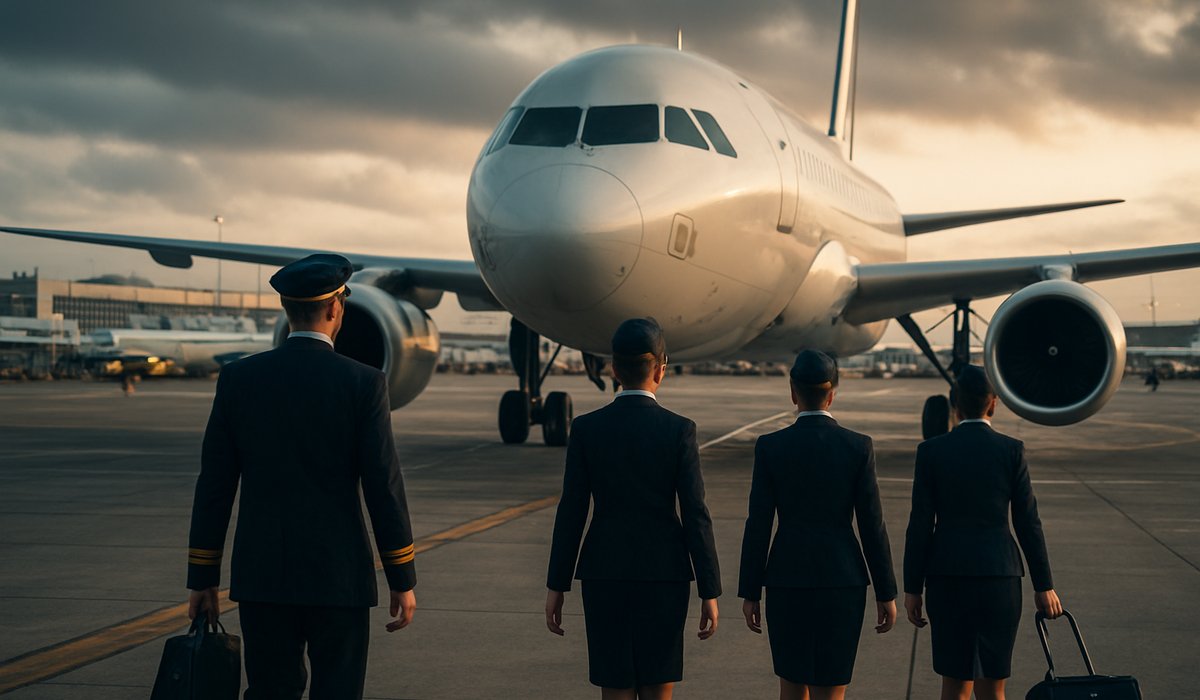
Image generated by AI
US Aviation System Buckles Under Massive Wave of Flight Disruptions Across Seven Major Hubs
Over 3,000 delays and dozens of cancellations strand thousands of passengers nationwide as operational strain hits leading carriers
Cascading Failures Cripple Domestic Flight Network
A severe operational meltdown has gripped America's aviation system, leaving thousands of travelers stranded across the country's busiest airport hubs. Major disruptions rippled through Atlanta, Houston, Chicago, Orlando, New York, San Francisco, and Philadelphia in a single day, generating more than 3,000 flight delays alongside numerous cancellations that exposed the fragility of the U.S. domestic network.
The crisis struck multiple carriers simultaneously, including American Airlines, Southwest Airlines, United Airlines, JetBlue Airways, and Spirit Airlines—forcing desperate rebooking efforts and creating compounding delays that reverberated throughout the afternoon and evening schedules. Passengers faced extended waits at ticket counters, missed connections, and unexpected overnight stays as the operational breakdown unfolded.
Scale of Disruption Reveals Systemic Vulnerabilities
Industry tracking data reveals the severity of the disruption: dozens of outright flight cancellations were dwarfed by the volume of delays, a pattern suggesting cascading system failures rather than isolated incidents. Airlines operating hub-and-spoke networks—particularly American and United—saw their tightly coordinated arrival and departure waves thrown into disarray, creating a domino effect that rippled across multiple time zones.
Low-cost carriers including Spirit and Southwest, which depend on high-frequency operations across dense regional networks connecting Florida, the Northeast, and midcontinent markets, registered particularly significant numbers of late services. The disruptions extended well into evening operations, suggesting that initial delays compounded throughout the day as aircraft and crew assignments fell increasingly out of sync with published schedules.
Industry Under Pressure as Operational Resilience Questions Mount
The incident underscores growing concerns about the U.S. aviation system's capacity to absorb operational shocks. Airlines have faced mounting pressures from jet fuel price volatility, staffing constraints, aging infrastructure, and rising maintenance demands—all contributing factors that can trigger cascading failures when initial disruptions occur.
The scale of single-day delays—exceeding 3,000 across major hubs—represents a significant operational failure that raises questions about contingency planning and system redundancy. Airlines have historically absorbed such disruptions through schedule padding and operational buffers, but mounting cost pressures in the competitive aviation market have squeezed these safety margins considerably.
Travel industry analysts expect carriers to issue formal statements addressing the disruptions and any potential compensation or rebooking protocols activated during the crisis.
FAQ: Flight Delays, Airline Operations, and Passenger Rights
What causes large-scale flight delays across multiple airlines simultaneously? Systemic disruptions often stem from cascading failures in hub operations, air traffic control constraints, severe weather, or widespread staffing shortages. When delays hit major hubs, they trigger knock-on effects throughout the entire network within hours.
Which airlines were most affected by the recent disruptions? American Airlines, United Airlines, Southwest Airlines, JetBlue Airways, and Spirit Airlines all reported significant delays and cancellations across major U.S. hubs during the incident.
What rights do passengers have when facing flight delays or cancellations? U.S. DOT regulations entitle passengers to rebooking on the next available flight, meals, hotel accommodations (for overnight delays), and ground transportation. Airlines must also provide compensation in certain scenarios.
How do airline baggage charges and fees impact disrupted passengers? During service disruptions, baggage policies may be waived or modified. Passengers should contact their airline directly to confirm fee policies when rebooking onto alternative flights.
Is the U.S. aviation system becoming less reliable? Rising operational strain from fuel costs, staffing pressures, and aging infrastructure has compressed scheduling buffers, making the system more vulnerable to cascading disruptions when initial delays occur.
Related Travel Guides
Flight Delay Compensation Guide 2026
Understanding Airline Route Changes
Airport Security Process Updated (2026)
External Resources
Disclaimer
This article is for informational and educational purposes only. It does not constitute legal, financial, or professional advice. While we strive to provide accurate and up-to-date information, travel policies, regulations, and conditions change rapidly. Always verify information with official sources before making travel decisions. Nomad Lawyer makes no representations about the accuracy, reliability, completeness, or suitability of the information provided. Readers should consult qualified professionals for advice specific to their circumstances. The views expressed in this article are those of the author and do not necessarily reflect the views of Nomad Lawyer.
Raushan Kumar
Founder & Lead Developer
Full-stack developer with 11+ years of experience and a passionate traveller. Raushan built Nomad Lawyer from the ground up with a vision to create the best travel and law experience on the web.
Learn more about our team →