F-35 Lightning II Overcomes Decades of Cost Spirals to Become World's Most Deployed Stealth Fighter

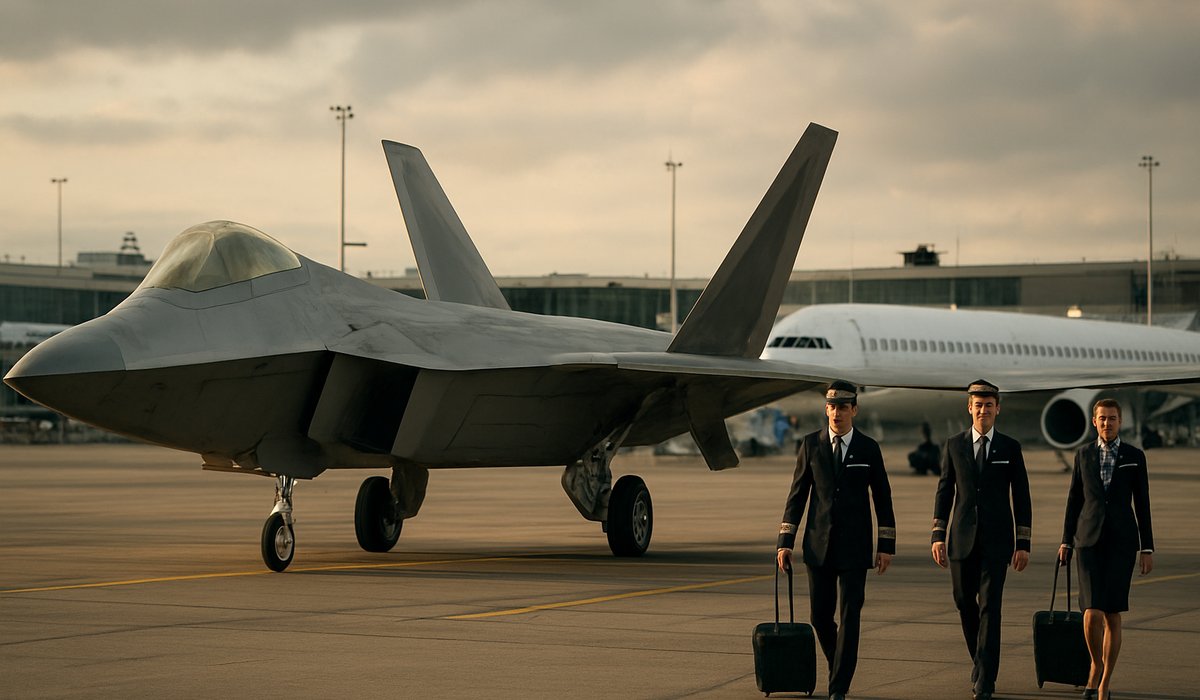
Image generated by AI
Pentagon's most controversial weapons platform vindicated as global air forces embrace next-generation combat capability despite historic financial scrutiny
A Program Reborn From Crisis
The F-35 Lightning II has weathered what few military acquisitions survive: two decades of relentless cost overruns, congressional investigations, and damning audits—yet emerged as the most widely fielded stealth fighter aircraft in operational service worldwide. The transformation marks a watershed moment for a defense program that once threatened to become the Pentagon's costliest debacle, now validated by unprecedented international adoption and expanding combat deployments.
What began as an ambitious multirole fighter platform consumed by schedule delays and budget explosions has crystallized into a cornerstone of allied air superiority strategies spanning four continents. More than 1,200 aircraft have entered production, with orders extending across NATO members, Pacific allies, and Middle Eastern partners—a geopolitical endorsement that transcends the acrimonious funding debates that defined the program's earlier phases.
The Price Tag Nobody Could Ignore
The F-35 program carries a total lifecycle cost estimate exceeding $2 trillion across its projected 77-year operational window—a figure unparalleled in military procurement history. Throughout the 2010s, government accountability offices, independent defense analysts, and congressional oversight committees issued successive critical assessments, questioning whether capabilities justified the extraordinary financial burden.
Development delays cascaded into procurement complications. Software integration stumbled. Engine reliability faced scrutiny. The program became synonymous with runaway Pentagon spending, spawning heated debates about whether advanced fighter aircraft justified such astronomical investments when regional air forces faced emerging peer competitors.
Yet manufacturers and military planners maintained conviction in the platform's technological superiority and operational necessity.
From Controversy to Operational Dominance
The turning point arrived as allied nations moved from skeptical evaluation to committed acquisition. International demand accelerated dramatically, reflecting growing recognition that the F-35's sensor fusion capabilities, stealth characteristics, and networked warfare integration offered decisive advantages in modern combat environments.
Today, the aircraft serves operational squadrons across NATO alliance structures and key Indo-Pacific defense partnerships. Each new international order reinforced the program's credibility despite persistent cost criticism.
The Vindication Question
Whether the F-35 represents justified defense investment or cautionary tale about Pentagon procurement excess remains contested terrain. What's undeniable: no stealth fighter platform has achieved comparable global deployment velocity or military consensus support.
FAQ: F-35 Lightning II Program Questions
What is the total cost of the F-35 program? Lifecycle costs now exceed $2 trillion across the aircraft's projected 77-year operational lifespan, making it the most expensive weapons program in Pentagon history.
How many F-35 aircraft have been produced? More than 1,200 F-35 Lightning II aircraft have entered production, with orders continuing from NATO members and international allies.
Why was the F-35 considered controversial? Decades of cost overruns, development delays, software integration challenges, and persistent budget increases sparked sustained criticism from government auditors and congressional committees.
Which countries operate the F-35? NATO members and Pacific allies including the United States, United Kingdom, Australia, Japan, and several European nations operate F-35 squadrons operationally.
Is the F-35 considered an effective fighter aircraft? Military analysts acknowledge its advanced sensor fusion, stealth capabilities, and networked warfare integration as offering significant operational advantages, though cost-effectiveness debates persist.
Related Travel Guides
- Portland Airport Biophilic Wellness Reduces Travel Anxiety
- A-10 Warthog's Tank-Killing Capability: Inside the Air Force's Most Formidable Ground-Attack Weapon
- US Aviation Crisis: Delta, Southwest, and United Ground 43 Flights Across Atlanta, New York, and Chicago; Widespread Travel Chaos as Munich, Milan, and São Paulo Routes Severed in May 2026 Update
This article is for informational purposes. Flight routes, passenger regulations, visa rules, and transit advisories are subject to change by airlines and aviation authorities. Readers are advised to verify schedules and travel documentation with relevant carriers and border agencies before departure.
Related Stories


India Launches International Digi Yatra Biometric Trials at 7 Major Airports for 2027 Expansion