
Mexcaltitán, Sayulita and More Crown Nayarit Mexico Among Top Hidden Travel Gems With Nine Magical Towns
Mexcaltitán, Sayulita and More Crown Nayarit Mexico Among Top Hidden Travel Gems With Nine Magical Towns

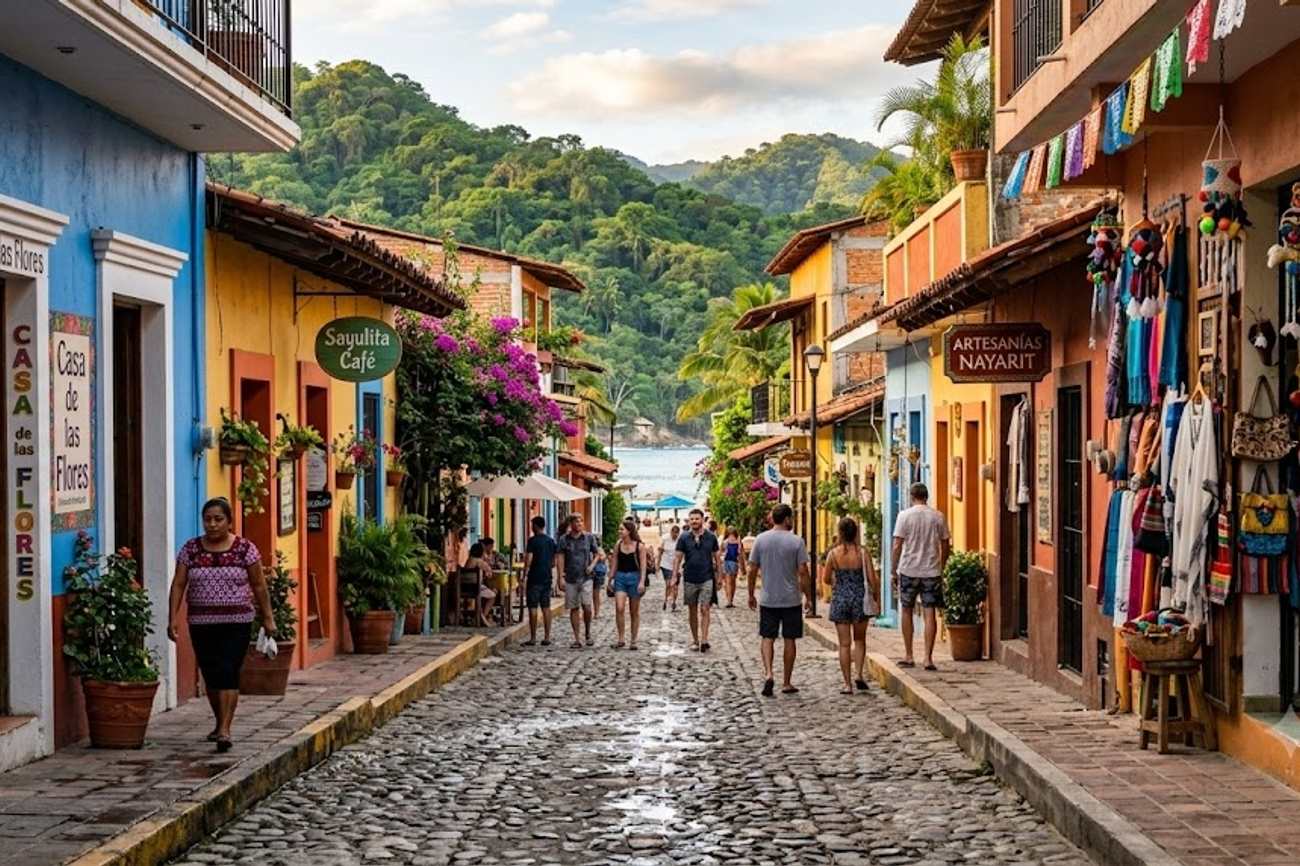
Image generated by AI
Nine distinct "Pueblos Mágicos" (Magical Towns) now define the strategic tourism architecture of Nayarit, Mexico, shifting the state's economic reliance away from traditional beachfront resorts toward a diversified cultural and ecological circuit. This designation, managed by the Mexican Ministry of Tourism, is not merely a marketing label but a regulatory framework designed to preserve historical assets while incentivizing infrastructure development in rural and indigenous zones. By certifying locations like Mexcaltitán and Sayulita, the government creates a structured "tourism circuit" that forces a redistribution of traveler spend from the saturated hotel zones of the coast into the mountain and island interiors.
The Regulatory Framework of Pueblos Mágicos
The "Magical Town" status is a calculated geopolitical tool used by the Mexican government to combat the "resort bubble" effect. In Nayarit, this manifests as a curated route connecting nine specific municipalities: Ahuacatlán, Amatlán de Cañas, Compostela, Ixtlán del Río, Jala, Mexcaltitán, Puerto Balleto, San Blas, and Sayulita. Each site is selected based on its capacity to offer "exceptional historical, cultural or natural importance," effectively turning the state's geography into a series of themed hubs.
This strategy addresses a critical vulnerability in the regional travel economy: seasonality. While beach vacations peak during winter months, the inland Magical Towns—particularly those centered on agricultural festivals like Jala’s Giant Corn Festival in August—create year-round demand. By linking the coastal Pacific shoreline to the volcanic highlands and the remote Islas Marías, Nayarit is attempting to increase the "average length of stay" for international arrivals, moving them from a 4-day beach trip to a 14-day regional exploration.
Geographic Distribution and Site Profiles
The distribution of these towns reveals a deliberate attempt to capture three distinct traveler personas: the history seeker, the eco-tourist, and the luxury-adventure nomad.
| Town | Primary Driver | Key Asset/Feature | Geographic Context |
|---|---|---|---|
| Ahuacatlán | Colonial/Volcanic | El Ceboruco Volcano / Camino Real | Inland Highlands |
| Jala | Agricultural/Colonial | Giant Corn Festival (August) | Inland Highlands |
| Ixtlán del Río | Pre-Hispanic | Los Toriles (Circular Temple) | Inland Highlands |
| Amatlán de Cañas | Nature/Wellness | Thermal Springs & Waterfalls | Mountainous Interior |
| Compostela | Colonial/Ancient | Altavista Ceremonial Site (est. 1530) | Transition Zone |
| Mexcaltitán | Mythological/Hydraulic | "Mexican Venice" / Aztlán Legends | Island/Wetland |
| San Blas | Ecological/Military | La Tovara Mangroves / Contaduría Fort | Coastal/Estuary |
| Sayulita | Lifestyle/Surf | Artisan Markets & Surf Culture | Pacific Coast |
| Puerto Balleto | Conservation | Islas Marías Biosphere Reserve | Offshore (112km from San Blas) |
The logistical spread is significant. For instance, the distance from the mainland port of San Blas to Puerto Balleto is approximately 112 kilometers, representing a transition from colonial coastal life to a high-security conservation zone. This distance creates a natural barrier that limits mass tourism, positioning Puerto Balleto as a premium, sustainable destination rather than a high-volume tourist trap.
Expert Analysis: The Pivot from Sun-and-Sand to Cultural Capital
For the modern traveler, the expansion of the Pueblo Mágico network in Nayarit signals a shift in the "value proposition" of Western Mexico. For decades, the region was marketed as a backdrop for luxury villas. The current pivot toward sites like Ixtlán del Río and Compostela indicates that the state is now competing for the "high-value, low-impact" traveler—individuals who prioritize authenticity and historical depth over all-inclusive amenities.
The direct consequence for travelers booking these routes is a fragmented logistical experience. Unlike the seamless transport found in Cancun or Los Cabos, navigating the Camino Real corridor from Ahuacatlán to San Blas requires a shift in transit strategy. The reliance on local infrastructure in towns like Amatlán de Cañas—the newest addition to the list—means that "last-mile" connectivity remains a challenge. This creates a pricing premium for guided tours and private transport, as the public infrastructure has not yet caught up to the "Magical" designation.
Travelers visiting the hidden gems of Nayarit can easily access the region via the Tepic airport or by flying into neighboring Puerto Vallarta. For comprehensive travel guidelines and regional attractions, visitors should consult the Visit Mexico official portal.
Furthermore, the transformation of Puerto Balleto is a case study in adaptive reuse. Converting a century-old penal colony into a UNESCO-recognized Biosphere Reserve is a bold move in sustainable tourism. By leveraging the isolation of the Islas Marías, Nayarit is creating a scarcity model. When access is limited by conservation laws, the perceived value of the destination increases, allowing the state to attract a demographic of travelers willing to pay more for exclusivity and ecological integrity.
The culinary integration is also a strategic move to diversify the economy. By highlighting specific regional products—such as the mango cajeta of Ahuacatlán or the zarandeado fish of San Blas—the tourism board is effectively creating a "gastronomic map." This forces visitors to move physically through the state to "complete" their culinary experience, ensuring that economic benefits reach small-scale producers in the interior, not just hotel owners on the coast.
Key Takeaways
- Diversified Itinerary: Nayarit has moved beyond beach tourism by certifying nine Pueblos Mágicos, creating a circuit that spans volcanic highlands, colonial towns, and offshore islands.
- Strategic Timing: Events like Jala’s Giant Corn Festival in August provide a counter-seasonal draw to the traditional winter beach peak.
- Conservation-Led Growth: The shift of Puerto Balleto from a penal colony to a Biosphere Reserve 112km off the coast marks a transition toward sustainable, high-value tourism.
- Historical Depth: The region offers a layered history, from the pre-Hispanic circular temples of Los Toriles to the 1530 colonial foundations of Compostela.
- Ecological Variety: The circuit includes diverse biomes, including the La Tovara mangroves in San Blas and the thermal springs of Amatlán de Cañas.
FAQ: Nayarit Magical Towns 2024
What is the best way to visit multiple Pueblos Mágicos in Nayarit? Given the geographic spread from the interior highlands to the coast, renting a vehicle is recommended. The route follows the historic Camino Real corridor, connecting mountain towns like Ahuacatlán to coastal hubs like San Blas.
How do I get to Puerto Balleto? Puerto Balleto is located on the Islas Marías, roughly 112 kilometers from San Blas. Access is strictly regulated due to its status as a Biosphere Reserve; visitors must coordinate through official sustainable tourism channels.
Which town is best for history buffs? Ixtlán del Río is the primary choice for pre-Hispanic history due to the Los Toriles archaeological zone, while Compostela (founded 1530) is superior for those interested in Spanish colonial architecture.
Is Sayulita different from the other Magical Towns? Yes. While most focus on colonial heritage or nature, Sayulita is a modern lifestyle hub centered on international surf culture, art galleries, and a vibrant, cosmopolitan atmosphere.
The transition from penal colonies to biosphere reserves suggests that Nayarit is no longer selling a destination, but a curated evolution of Mexican identity.
Tags: Nayarit Tourism, Pueblos Mágicos 2024, Islas Marías Biosphere Reserve, Sayulita Surf Culture, Mexican Ministry of Tourism, Los Toriles Archaeological Zone
Related Travel Guides
- Saint Lucia Reveals a Wild Caribbean World of Volcanoes Rainforests and Golden Shores
- USA Travel Revolution: American Music Tourism Act Could Transform Cultural Journeys Nationwide
- Argentina Shows Wild Nature Flourishes When Conscious Travel Protects Native Wildlife In Corrientes And Jujuy, All You Need To Know
Disclaimer
This article is for informational and educational purposes only. It does not constitute legal, financial, or professional advice. While we strive to provide accurate and up-to-date information, travel policies, regulations, and conditions change rapidly. Always verify information with official sources before making travel decisions. Nomad Lawyer makes no representations about the accuracy, reliability, completeness, or suitability of the information provided. Readers should consult qualified professionals for advice specific to their circumstances. The views expressed in this article are those of the author and do not necessarily reflect the views of Nomad Lawyer.
Kunal K Choudhary
Co-Founder & Contributor
A passionate traveller and tech enthusiast. Kunal contributes to the vision and growth of Nomad Lawyer, bringing fresh perspectives and driving the community forward.
Learn more about our team →