
The Luxury Collection Launches Global Expeditions Program with 10 Expert-Led Cultural Journeys in 2026
The Luxury Collection introduces a new travel platform featuring 10 specialized expeditions across Asia, Europe, North America, and the Caribbean, shifting focus from traditional sightseeing to expert-led cultural immersion.

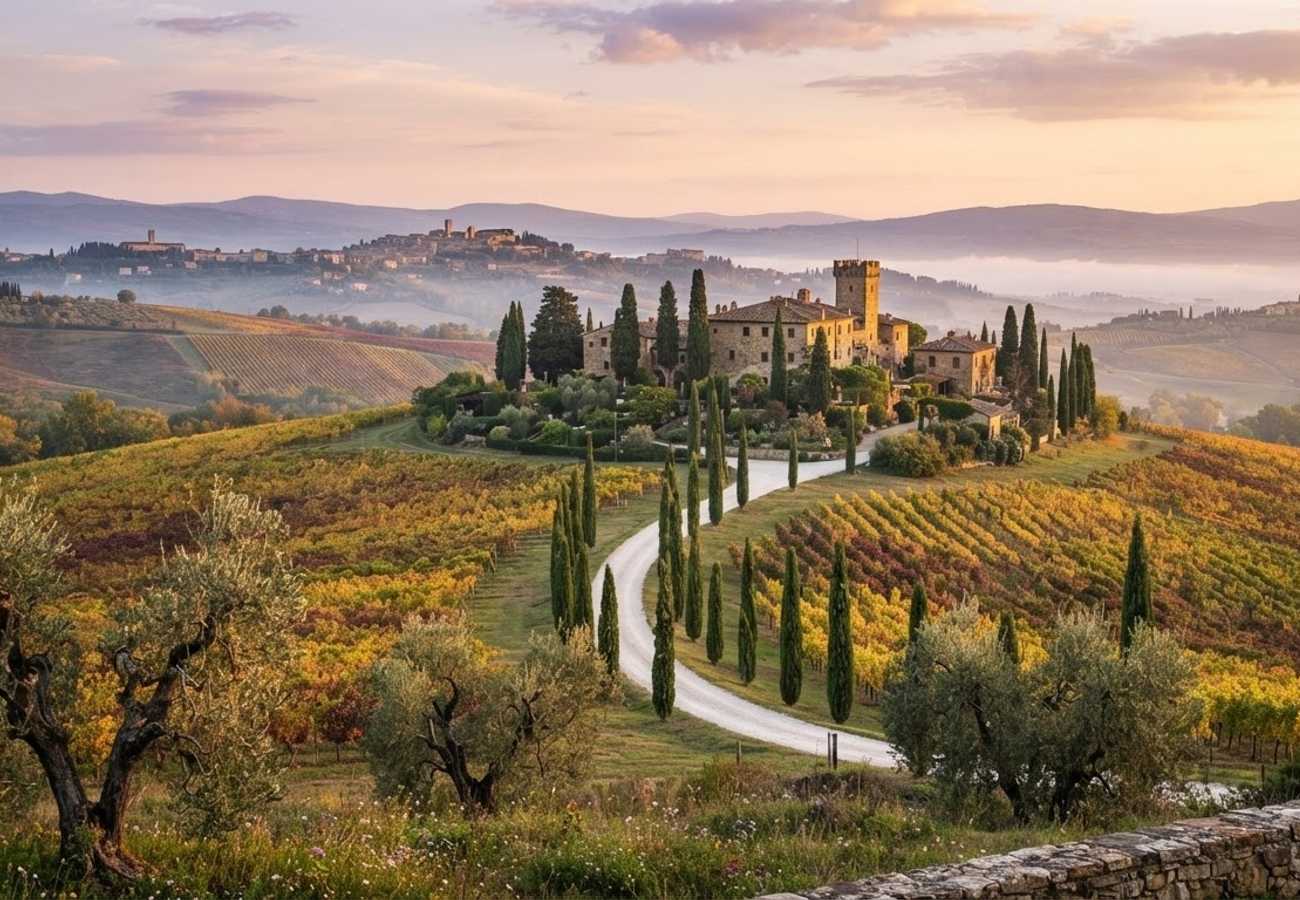
Image generated by AI
The Luxury Collection has unveiled a new travel platform shifting the paradigm from passive sightseeing to active cultural immersion through 10 inaugural "Expeditions" across four continents.
Integration of Expert-Led Cultural Immersion
Marriott International's Luxury Collection has officially transitioned its service model to incorporate destination-based travel that prioritizes local heritage over standard hospitality. The new platform connects guests with a network of historians, chefs, craftsmen, winemakers, and environmental specialists to provide access to hidden destination stories.
The program is divided into two primary formats: private multi-day itineraries for deep connectivity and "Day Discoveries" for focused, short-term exploration. These offerings are currently available across Asia, Europe, North America, and the Caribbean, with a phased expansion planned for subsequent regions.
Global Expedition Specifications and Itineraries
The following table outlines the primary multi-day and site-specific experiences currently available under the new program.
| Destination | Experience Name | Duration/Type | Key Focus Areas | Primary Logistics |
|---|---|---|---|---|
| Japan | The Imperial Journey | 10 Days | Culinary heritage, spiritual traditions, temple access | Tokyo, Kyoto, Nara |
| Italy | The Grand Italia Rally | Multi-Day | Heritage automobiles, regional cuisine | Franciacorta, Lake Garda, Tuscany, Ligurian Coast |
| Greece | The Aegean Odyssey | Multi-Day | Archaeology, maritime exploration, wine | Mykonos, Paros, Santorini |
| Japan | Suiran Day Discovery | Day Trip | Fermentation culture, farm-to-table | Kyoto |
| USA | The Phoenician Discovery | Day Trip | Sonoran biodiversity, Frank Lloyd Wright architecture | Scottsdale, Arizona |
| Saudi Arabia | Bab Samhan Heritage | Day Trip | Najdi architecture and regional design | Diriyah |
| Spain | Marqués de Riscal Program | Specialist | Vineyard traditions, wine blending | Rioja Alavesa |
| Turks & Caicos | Salterra Conservation | Specialist | Coral reef ecology, marine biology | South Caicos |
Traveler Logistics Guide: Navigating High-Access Experiences
From a ground-level perspective, the best way to navigate these expeditions is to treat them as "limited-capacity" bookings rather than standard hotel amenities. Because these journeys rely on third-party specialists—such as marine biologists in South Caicos or historians in Diriyah—availability is strictly capped.
Booking and Connection Strategies:
- Lead Time: Due to the reliance on specialized guides and private transportation (including helicopters and yachts in the Aegean Odyssey), bookings should be finalized at least 60 to 90 days in advance.
- Customs and Documentation: For the "Imperial Journey" in Japan or "The Grand Italia Rally" in Italy, travelers should ensure all visa requirements are met for multi-city transit. While these are curated packages, individual passport validity remains the traveler's responsibility.
- Environmental Compliance: Experiences like the Salterra marine programs require adherence to strict conservation regulations. Travelers should prepare for "leave no trace" protocols and may be required to sign conservation waivers.
- Climate Considerations: Many of these expeditions involve outdoor field research or road travel. Checking seasonal weather patterns—particularly for the Sonoran Desert or the Cyclades—is essential to avoid activity cancellations.
Infrastructure and Tourism Impact
This strategic pivot by The Luxury Collection signals a broader shift in the luxury sector toward "Slow Travel." By transforming hotels into educational hubs, the program reduces the pressure on traditional "tourist traps" and redistributes visitor traffic toward specialized local artisans and conservation sites.
The integration of scientific and educational components—such as the wine blending programs in Spain and the biodiversity research in Arizona—elevates the hotel's role from a provider of lodging to a facilitator of academic and cultural exchange. This model is expected to increase the average length of stay (ALOS) as guests transition from overnight visits to multi-day educational journeys.
Moving beyond the lobby to the heart of the destination.
Related Travel Guides
Disclaimer
This article is for informational and educational purposes only. It does not constitute legal, financial, or professional advice. While we strive to provide accurate and up-to-date information, travel policies, regulations, and conditions change rapidly. Always verify information with official sources before making travel decisions. Nomad Lawyer makes no representations about the accuracy, reliability, completeness, or suitability of the information provided. Readers should consult qualified professionals for advice specific to their circumstances. The views expressed in this article are those of the author and do not necessarily reflect the views of Nomad Lawyer.
Kunal K Choudhary
Co-Founder & Contributor
A passionate traveller and tech enthusiast. Kunal contributes to the vision and growth of Nomad Lawyer, bringing fresh perspectives and driving the community forward.
Learn more about our team →