
Thailand and Uzbekistan Lead Asian Tourism Realignment: Visa Liberalization, Transit Corridors, and Silk Road Connectivity
Thailand and Uzbekistan Lead Asian Tourism Realignment: Visa Liberalization, Transit Corridors, and Silk Road Connectivity. Latest travel news, updates, and expert analysis.

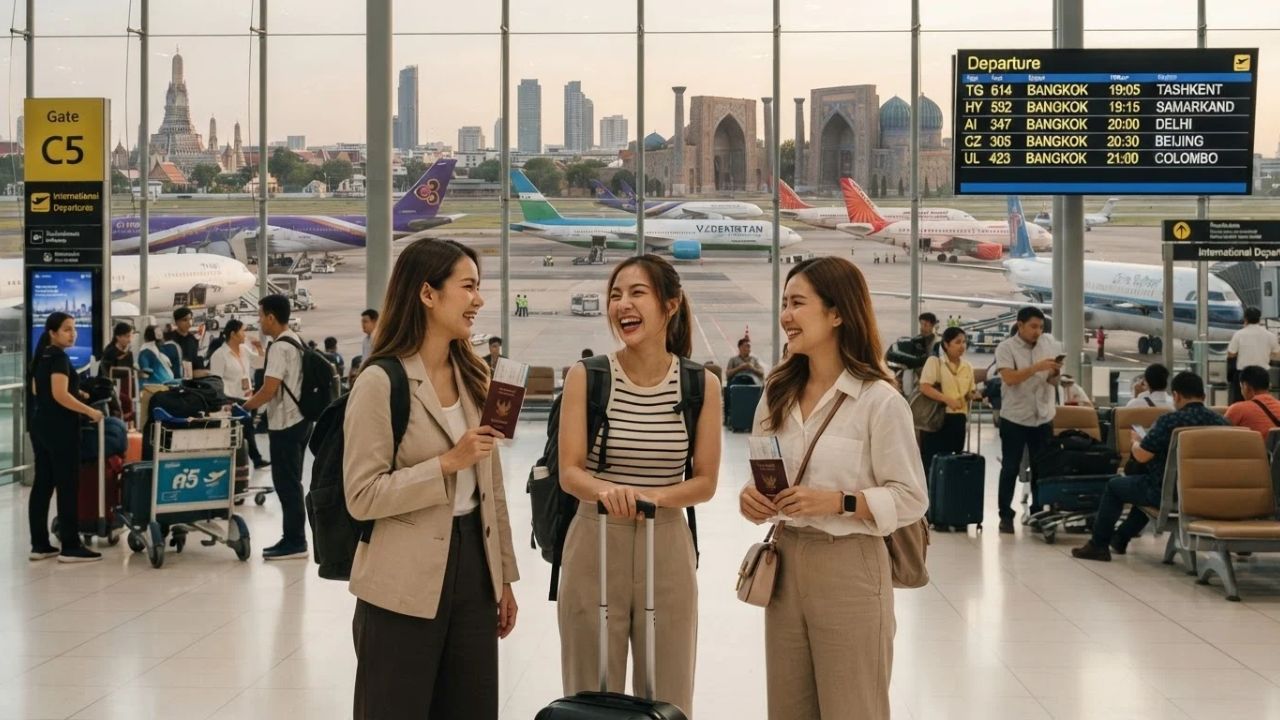
Coordinated visa overhauls and expanding direct flight links between Thailand, Uzbekistan, India, Sri Lanka, and China are reshaping trans-Asian mobility, unlocking frictionless Silk Road corridors for millions of cross-continental travelers in 2026. By combining 30-day visa exemptions and streamlined digital entry platforms with calibrated immigration oversight, regional governments are bridging Southeast Asia’s tropical tourism hubs with Central Asia’s ancient trade oases to capture booming middle-class leisure travel.
This diplomatic realignment represents a strategic convergence between open borders and modernized transport infrastructure. While Southeast Asian destinations like Thailand fine-tune electronic entry systems to balance massive visitor volumes with border integrity, Central Asian nations led by Uzbekistan are expanding visa-free regimes and direct aviation frequencies. Together, these complementary policies dismantle traditional bureaucratic friction, enabling independent travelers, cultural explorers, and corporate nomads to seamlessly link Bangkok’s historic riverfront with the turquoise domes of Samarkand.
The Local Trend Revealed: Bridging Southeast and Central Asia’s Travel Corridors
For decades, international travel patterns across Asia operated in rigid regional silos. Explorers ventured either along the Southeast Asian backpacker circuit or navigated isolated overland routes across Central Asia’s post-Soviet republics. Crossing between these zones required labyrinthine consular visa applications, mandatory letter-of-invitation (LOI) sponsorships, and costly multi-stop flight itineraries routing through Middle Eastern or European hubs.
That fragmented system is rapidly dissolving. Tourism and foreign ministries across Asia are deliberately synchronizing bilateral entry pacts, mutual transit regimes, and point-to-point air corridors:
- The Central Asian Opening: Uzbekistan has emerged as the diplomatic pioneer of Central Asia’s tourism renaissance. Building on sweeping 30-day visa exemptions for dozens of nationalities and a frictionless electronic visa platform, the Ministry of Tourism and Cultural Heritage of Uzbekistan is actively linking Tashkent with key Asian financial and outbound travel hubs.
- Thailand’s Calibrated Gateway Strategy: Through the official Royal Thai Government e-Visa Portal, Thailand has modernized entry protocols for global visitors. While expanding visa-free privileges and digital nomad allowances to stimulate regional economic vitality, Thai immigration authorities have simultaneously introduced targeted digital tracking to prevent unauthorized commercial activities and overstays.
- Direct Aviation Bridges: Physical flight frequencies operated by regional carriers now convert regulatory goodwill into actual passenger flows. Direct air services connecting Tashkent with Bangkok, New Delhi, Colombo, and Chengdu eliminate transit layovers, allowing travelers to combine tropical beach retreats and Silk Road heritage explorations within a single two-week itinerary.
Cultural & Environmental Value: Decentralized Tourism and Heritage Stewardship
The emergence of direct trans-Asian corridors delivers immense cultural and environmental value, promoting tourism dispersion away from hyper-congested capitals into fragile regional heritage communities:
Preserving Ancient Silk Road Cultural Assets
Uzbekistan’s architectural treasures—anchored by UNESCO World Heritage sites in Samarkand, Bukhara, and Khiva—represent the zenith of Timurid, Persian, and Islamic craftsmanship:
- Living Heritage Protection in Samarkand: In the monumental Registan square, the intricate majolica mosaics and azure tilework of the Ulugh Beg, Sher-Dor, and Tilya-Kori madrasahs reflect centuries of cultural exchange. Revenue generated by independent international visitors directly funds ongoing architectural conservation projects managed by the National Commission of Uzbekistan for UNESCO.
- Community-Based Tourism in the Nuratau Mountains: Sustainable travelers are venturing beyond urban monuments into the Nuratau-Kyzylkum Biosphere Reserve. Village homestays in Sentob and Asraf empower rural families to offer guided hiking, traditional walnut harvest experiences, and yurt stays near Lake Aydarkul, preserving traditional pastoral lifestyles while shielding fragile ecosystems from mass commercial development.
Sustainable Transit: The High-Speed Afrosiyob Electric Railway
Rather than relying on domestic short-haul flights or diesel-heavy tour buses across the Kyzylkum Desert, travelers in Uzbekistan utilize the high-speed Afrosiyob electric train network. Manufactured by Talgo, these sleek trains cruise at speeds up to 250 km/h (155 mph), connecting Tashkent, Samarkand, and Bukhara with minimal carbon emissions, demonstrating how low-impact railway infrastructure can comfortably support burgeoning tourism corridors.
Community Cultural Ties Across Thailand
In Thailand, tourism authorities are leveraging increased arrivals from Central and South Asia to diversify travel beyond Bangkok and Phuket:
- Northern Lanna Heritage: Direct regional transit encourages travelers to explore Chiang Mai and Chiang Rai, engaging with community-based homestays in villages like Mae Kampong, where visitors learn shade-grown organic coffee cultivation and traditional bamboo cooking methods.
- Artisanal Weaving Cooperatives: Silk Road travelers discover striking historical parallels in Thailand’s traditional textile villages in Isan (northeastern Thailand), where indigenous weavers craft intricate Mudmee tie-dye silks that mirror the ancient Ikat weaving techniques perfected along the Zarafshan River valley in Uzbekistan.
Visitor Insider Tips: Navigating Central and Southeast Asian Corridors
Mastering these dynamic Asian travel corridors requires practical preparation, understanding local regulatory systems, and honoring cultural etiquettes:
Digital Entry and Documentation Verification
- Verify Official Government Portals: Never purchase electronic visas through third-party broker sites that charge exorbitant processing fees. Secure Thai travel authorizations exclusively via the official Royal Thai Government e-Visa Portal and verify Central Asian entry requirements through the Official Tourism Portal of Uzbekistan.
- Proof of Forward Travel: Border authorities at both Tashkent International Airport (TAS) and Bangkok Suvarnabhumi Airport (BKK) strictly enforce proof of onward travel within allowed exemption windows (typically 30 or 60 days). Maintain confirmed flight tickets and hotel bookings readily accessible in digital and printed formats.
Cultural Etiquette and Sacred Site Protocols
- Uzbekistan Sacred Site Reverence: When entering active mosques, madrasahs, and historical mausoleums such as the Shah-i-Zinda necropolis in Samarkand, dress modestly by covering shoulders, collarbones, and knees. Women should carry a lightweight scarf to cover their hair inside active shrines. Always remove footwear before stepping onto carpeted prayer areas.
- The Sacred Etiquette of Uzbek Bread (Non): Traditional round clay-oven bread (tandir non) is deeply sacred in Uzbek culture. Always break bread with both hands; never slice it with a knife at a family table, and never place a loaf upside down on the table or throw bread into the trash.
- Thailand Temple and Social Respect: Show deep reverence for Buddhist monuments and images. When visiting a wat, dress respectfully with covered shoulders and long pants or maxi skirts. Perform the traditional wai greeting (palms pressed together near the chest with a slight bow) when greeting elders or monks. Avoid pointing your feet toward any Buddha statue or local resident when seated on the floor.
Seasonal Timing and Ideal Exploration Windows
- The Dual-Season Sweet Spot (Autumn): September through November offers the premier travel window for dual-destination itineraries. Uzbekistan experiences mild, sunny daytime temperatures (65°F to 75°F / 18°C to 24°C) with vibrant autumn market harvests, while Thailand transitions from the monsoon into its cool, dry winter season.
- Springtime Blossom Season (April to May): April brings blooming apricot orchards and pleasant desert days across Central Asia, aligning with Thailand’s vibrant Songkran (water festival) New Year celebrations.
Crossroads of Flavor: Savoring Silk Road and Siamese Gastronomy
Traveling between Central Asia and Southeast Asia presents an extraordinary gastronomic contrast, uniting rich nomadic comfort foods with vibrant, herbaceous tropical fare:
Authentic Culinary Treasures of Uzbekistan
- The National Dish: Traditional Uzbek Osh (Plov): Prepared in massive cast-iron cauldrons (kazans) over wood fires, osh is the beating heart of Uzbek hospitality. Master chefs (oshpaz) layer long-grain laser rice, succulent chunks of lamb or beef, sweet yellow carrots, plump chickpeas, raisins, and roasted garlic heads infused with wild cumin (zira). Pair it with achichuk (a refreshing salad of thinly shaved tomatoes, onions, and fresh basil) and hot green tea (kok-chai).
- Clay-Oven Samsa: Flaky, multi-layered savory pastries baked directly on the inner earthen walls of a blistering tandoor oven. Stuffed with minced lamb, beef, or pumpkin and seasoned with black pepper and onions, they deliver a rich, crispy bite at every roadside bazaar.
- Hand-Pulled Lagman: A legacy of ancient Silk Road trade with western China, this hearty dish features hand-pulled wheat noodles served either in a rich meat-and-vegetable broth flavored with bell peppers, radishes, and coriander, or stir-fried dry (kovurma lagman).
Iconic Tastes of Thailand
- Northern Thai Khao Soi: A rich, golden coconut curry broth infused with turmeric, lemongrass, and dry spices, cradling tender braised chicken drumsticks and soft egg noodles, topped with a nest of crispy fried noodles, pickled mustard greens, shallots, and fresh lime wedges.
- Aromatic Tom Yum Goong: The definitive flavor profile of Siamese cuisine. A fiery, fragrant soup simmered with giant river prawns, fragrant galangal, crushed lemongrass stalks, kaffir lime leaves, and fiery bird's eye chilies, finished with fresh lime juice and a dash of evaporated milk for silkiness.
- Mango Sticky Rice (Khao Niew Mamuang): Warm glutinous sticky rice steamed with sweet coconut milk and pandan, served alongside chilled slices of sweet golden Nam Dok Mai mango and sprinkled with toasted mung beans.
Tourism Outlook: The Rise of Pan-Asian Multi-Destination Itineraries
The alignment of visa liberalization, transit protocols, and physical aviation links between Thailand, Uzbekistan, India, Sri Lanka, and China marks the dawn of a new era in international travel. As middle-class purchasing power expands across Asia, travelers are no longer content with standard single-country vacations.
By harmonizing entry systems and eliminating outdated bureaucratic obstacles, governments across the continent are transforming trans-Asian travel from a complicated logistical hurdle into an effortless, multi-dimensional reality. For conscious travelers seeking deep historical engagement, breathtaking architecture, and culinary diversity, this emergent Silk Road-to-Siam corridor stands as modern travel's most thrilling frontier.
Related Travel Guides
- Kazakhstan Tourism and BRICS AI Silk Road Connectivity: Modern Travel Along Ancient Eurasian Corridors
- Frontier Airlines Launches First-Ever South America Flights: Nonstop Orlando Routes to Bogotá, Medellín, and Cartagena
- United Airlines Expands Global Reach: San Francisco to Sapporo Nonstop Headlines Major 2026 International Push
FAQ: Thailand and Uzbekistan Lead Asian 2026
Do I need a visa to travel between Thailand and Uzbekistan? Many travelers now benefit from visa-free regimes or streamlined e-Visas. Uzbekistan offers 30-day exemptions for numerous nationalities, while Thailand utilizes an official e-Visa portal to simplify entry. Always check current bilateral agreements based on your specific passport.
Are there direct flights connecting Southeast Asia to Central Asia? Yes, new aviation bridges are expanding. Direct flight services now connect Tashkent with major hubs including Bangkok, New Delhi, Colombo, and Chengdu, eliminating the need for long layovers in Middle Eastern or European hubs.
What is the "Silk Road connectivity" trend for 2026? It is a strategic realignment where Asian governments are synchronizing visa liberalization and transport infrastructure. This allows travelers to seamlessly link Southeast Asian tropical hubs with Central Asian cultural sites, like Samarkand, via frictionless travel corridors.
How has Thailand modernized its entry process for tourists? Thailand has implemented the Royal Thai Government e-Visa Portal to digitize applications. This system balances increased visa-free privileges and digital nomad allowances with calibrated digital tracking to maintain border integrity and prevent overstays.
Disclaimer
This article is for informational and educational purposes only. It does not constitute legal, financial, or professional advice. While we strive to provide accurate and up-to-date information, travel policies, regulations, and conditions change rapidly. Always verify information with official sources before making travel decisions. Nomad Lawyer makes no representations about the accuracy, reliability, completeness, or suitability of the information provided. Readers should consult qualified professionals for advice specific to their circumstances. The views expressed in this article are those of the author and do not necessarily reflect the views of Nomad Lawyer.
Raushan Kumar
Founder & Lead Developer
Full-stack developer with 11+ years of experience and a passionate traveller. Raushan built Nomad Lawyer from the ground up with a vision to create the best travel and law experience on the web.
Learn more about our team →