
Kazakhstan Advances Tourism Through BRICS AI Partnership, Water Governance, and Eurasian Transit Corridors

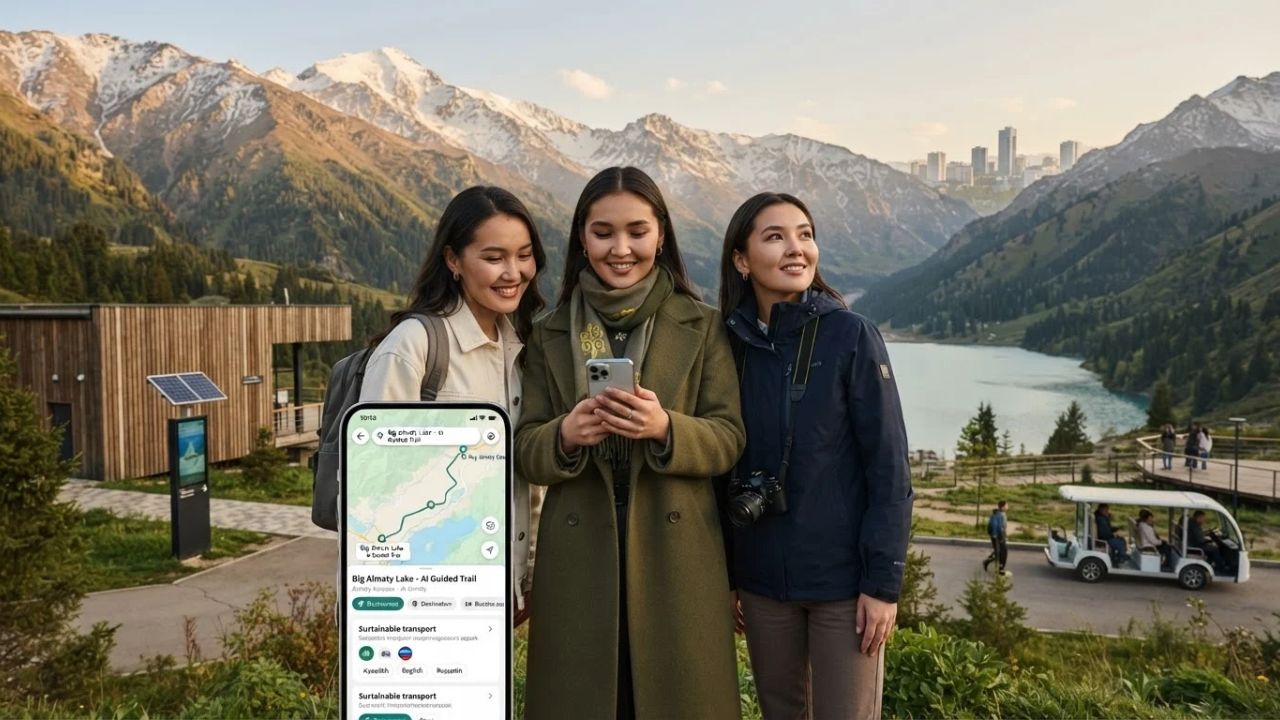
President Kassym-Jomart Tokayev unveiled three coordinated international initiatives on September 13, 2026, positioning Kazakhstan at the intersection of artificial intelligence, cross-border water conservation, and expanded Eurasian logistics corridors to modernize Central Asian tourism. By linking national artificial intelligence research hubs through the proposed BRICS Plus Partnership for Artificial Intelligence and strengthening international supply chain networks, the Central Asian republic is transforming how global travelers navigate its historical Silk Road routes, alpine parks, and expansive steppe territories.
The high-level policy push addresses modern travel bottlenecks across the ninth-largest country on Earth. Spanning over 2.7 million square kilometers, Kazakhstan presents immense travel potential paired with significant geographical distances. By pairing cutting-edge data architecture with dedicated conservation frameworks, state authorities are building an integrated model designed to preserve fragile ecosystems, optimize visitor distribution, and unlock remote regional attractions for international guests.
Transforming Travel Infrastructure with Artificial Intelligence
The core of Kazakhstan's digital travel evolution rests on the BRICS Plus Partnership for Artificial Intelligence, introduced by President Tokayev to link domestic scientific laboratories with international computing hubs. In practical terms for the tourism sector, this initiative transitions national destination management away from static brochures and toward real-time predictive navigation systems.
For international travelers exploring extensive transit routes, algorithmic platforms can resolve complex logistical challenges. The Ministry of Tourism and Sports of the Republic of Kazakhstan, alongside regional development agencies, is testing intelligent itinerary engines that tailor multi-region expeditions based on seasonal weather patterns, physical mobility levels, and personal interests. AI-driven platforms can generate dynamic overland schedules that connect modern urban centers directly with remote wilderness sites, reducing deadhead travel time and evening out visitor flows.
Digital concierge systems deployed across transport terminals provide instant, multilingual interpretation in Mandarin, English, Arabic, Hindi, and Russian. Travelers stepping off flights at Almaty International Airport (ALA) or Astana Nursultan Nazarbayev International Airport (NQZ) can access real-time regional transit schedules, digital permits for border-adjacent national parks, and route advisories that account for sudden alpine weather shifts.
This technology provides national park rangers and regional tourism boards with continuous visitor telemetry. Predictive crowd modeling alerts park wardens when popular recreational areas approach ecological carrying capacity, automatically suggesting alternative hiking circuits or adjusting entry ticket allotments. By balancing visitor concentration, the system preserves pristine alpine settings while opening up neighboring rural valleys that traditionally saw little international foot traffic.
Sustainable Eco-Tourism and Global Water Stewardship
Central to the broader strategy is President Tokayev’s diplomatic call for the establishment of an International Water Organization as a specialized agency within the United Nations. Because Kazakhstan’s most prized natural attractions depend directly on delicate aquatic systems, sustainable water governance forms the environmental backbone of the country’s nature-based travel sector.
From the alpine tarns of the Tian Shan range to the expansive waters of Lake Balkhash and the coastal shelves of the Caspian Sea, freshwater resources require rigorous ecological protection. Unregulated tourism infrastructure can strain fragile riparian basins, deplete mountain aquifers, and degrade delicate shorelines. Establishing an international water authority provides a legal and technical framework to ensure lake resort developments maintain strict zero-runoff standards.
Eco-tourism represents one of the fastest-growing segments across Central Asia, attracting travelers who demand authentic environmental conservation alongside their outdoor pursuits. Around the Kolsai Lakes system and nearby Lake Kaindy—celebrated for its submerged spruce forest created by an earthquake in 1911—local conservation authorities are using sustainable water management protocols to restrict combustion engines, enforce zero-impact waste systems, and encourage solar-powered glamping compounds managed by resident families.
Further west along the Caspian Sea perimeter in the Mangystau region, where ancient seabed formations meet arid coastline, responsible water desalination and localized treatment plants are essential to support emerging low-impact adventure circuits without compromising local aquifers. Through collaborative conservation governance, Kazakhstan protects its natural monuments while providing adventure travelers with pristine, unpolluted waterways.
Expanding Central Eurasian Transit Corridors
Logistical connectivity remains the defining catalyst for international travel expansion across Central Asia. Under the BRICS Logistics Supply Chain Cooperation Framework backed by President Tokayev, Kazakhstan is accelerating transit integration across aviation networks, high-speed rail corridors, and modern highway arteries.
Positioned geographically between East Asia, the Middle East, and Europe, Kazakhstan serves as a natural land bridge. Enhanced transport coordination directly benefits travelers from primary source markets, including China, India, Russia, and the Gulf Cooperation Council (GCC) member states. Direct flight routes operated by national carrier Air Astana, its regional subsidiary FlyArystan, and international partner airlines are creating seamless point-to-point connections into Astana and Almaty.
On the ground, modernization of the national railway network, operated by Kazakhstan Temir Zholy (KTZ), has upgraded passenger travel between key cultural poles. High-speed Spanish-designed Talgo train sets now cut overland travel times between Astana and Almaty down to roughly 12 to 14 hours, offering comfortable overnight sleeper compartments that serve as moving hotels across the Kazakh steppe.
These improved transit corridors facilitate expansive regional loop journeys. International visitors are no longer restricted to isolated city breaks; they can build comprehensive itineraries that bridge the modern glass-and-steel architecture of Astana, the forested alpine foothills of Almaty, and the ancient Silk Road architectural treasures of southern Kazakhstan before journeying overland into Uzbekistan or western China.
Key Destinations Benefiting from Digital and Logistical Upgrades
Kazakhstan's digital transformation touches every distinct geographical and cultural region of the country, bringing visibility and improved accessibility to both established highlights and rugged frontiers:
- Almaty Mountain Region: The northern ridge of the Tian Shan mountain range, home to the Medeu high-altitude ice skating rink (sitting at 1,691 meters above sea level) and the Shymbulak Mountain Resort (reaching 3,200 meters at Talgar Pass), now integrates smart ski pass technologies, digital avalanche forecasting, and year-round cable car networks that transport visitors from urban centers into alpine meadows in under an hour.
- Astana: The planned capital city showcases iconic architectural achievements designed by world-renowned architects, including Norman Foster’s Khan Shatyr Entertainment Center—a giant translucent tent structure maintaining a tropical microclimate year-round—and the Baiterek Tower, which offers panoramic views of the city's futuristic skyline.
- Turkistan: The historic religious and trade hub of southern Kazakhstan, anchored by the 14th-century Mausoleum of Khoja Ahmed Yasawi, a UNESCO World Heritage site commissioned by Emperor Timur (Tamerlane). Modern smart museum exhibits and high-speed rail stops make this sacred Silk Road center accessible to cultural pilgrims and international history enthusiasts alike.
- Charyn Canyon: Frequently described as the younger sibling of the American Grand Canyon, the dramatic red sandstone towers of the "Valley of Castles" feature improved eco-friendly walking trails, shaded resting stations, and solar-powered electric shuttles that transport travelers down to the Charyn River bank without disturbing delicate rock strata.
- Kolsai Lakes & Lake Kaindy: Nestled within the Kolsai Koldery National Park, these high-altitude alpine gems offer crystal-clear turquoise waters backed by dense Schrenk spruce forests, supported by regulated wooden boardwalks and community-run guest yurt encampments.
- Mangystau Desert Plateau: Located in southwestern Kazakhstan, this surreal expanse of white chalk canyons, dry salt flats, and sculpted limestone buttes at Bozzhira resembles an unearthly planetary surface. Digital satellite navigation routes and trained local 4x4 expedition guides ensure travelers navigate this waterless wilderness safely while honoring subterranean sacred shrines such as Beket-Ata and Shakpak-Ata.
Local Insider Tips for Exploring Kazakhstan
Travelers preparing an expedition to Kazakhstan can maximize their journey by following practical guidance tailored to regional conditions, local customs, and logistical systems:
- Optimal Travel Windows: Spring (May to June) and early autumn (September to October) present the finest weather conditions nationwide. In May, the southern steppes near the Aksu-Zhabagly Nature Reserve erupt with wild Greig's and Kaufmann's tulips, the genetic ancestors of commercial Dutch tulips. Autumn brings pleasant daytime temperatures averaging 18°C to 22°C across Almaty, ideal for trekking beneath golden alpine birch trees without intense summer heat or winter mountain freezes.
- Visa and Entry Ease: Kazakhstan operates a unilateral 30-day visa-free entry regime for passport holders from more than 80 nations, including citizens of the European Union, the United States, Canada, the United Kingdom, Australia, and GCC nations. Travelers crossing international borders receive stamp clearance directly at major international airports without tedious advance paperwork.
- Rail Travel Strategy: For long-distance intercity transit between Astana, Almaty, Shymkent, and Turkistan, book the fast "Talgo" express trains through the official KTZ ticketing portal well in advance. Choose "Lyuks" (two-berth private sleeper compartments) or "Kupe" (four-berth compartments) for safe, peaceful rest while sweeping across hundreds of kilometers of open steppe.
- Cultural Etiquette and Hospitality: Kazakh hospitality is legendary, governed by an ancient nomadic code of guest reverence (Konakasy). When welcomed into a Kazakh home or traditional felt yurt (kigiz ui), always remove your footwear at the threshold. Never step directly on the wooden door threshold (bosaga), as doing so is considered bad luck.
- The Ritual of Tea (Shai): Tea is poured into small ceramic handleless bowls known as kese. Your host will intentionally pour the bowl only half-full. This is not stinginess; it is a profound gesture of respect (shala shai) indicating that the host wishes to continually serve you fresh, piping-hot tea while engaging in conversation. If a host fills your kese to the brim, it subtlely signals that your visit should conclude.
- Regional Culinary Specialties: Sample authentic nomadic cuisine at traditional chaykhanas (teahouses) and modern ethnic restaurants:
- Beshbarmak: The national dish, meaning "five fingers" because it was traditionally eaten by hand. It features boiled cuts of horsemeat or beef laid over broad sheets of tender handmade pasta ribbons, steeped in a rich, deeply seasoned meat broth infused with onions (sorpa).
- Kazy: Traditional artisanal cold-cut horsemeat sausage seasoned with black pepper, whole garlic cloves, and salt, dried and cold-smoked to perfection.
- Baursaks: Golden, airy cubes of fried yeast dough served warm alongside tea and fresh mountain honey.
- Kurt: Hard, salty, dried sour milk balls carried by nomadic horsemen for centuries as lightweight, high-protein travel sustenance.
- Kumis and Shubat: Traditional fermented mare's milk (kumis) and camel's milk (shubat), offering a tangy, effervescent, probiotic-rich taste of authentic steppe life.
Tourism Outlook: High-Value Travel on the New Silk Road
The integration of artificial intelligence, dedicated water conservation policies, and international transit corridors marks an enduring strategic pivot for Kazakhstan's tourism economy. Rather than pursuing mass, low-yield tourism that risks eroding sensitive grasslands and natural monuments, the government's strategy prioritizes high-value, culturally immersive, and ecologically mindful expeditions.
By modernizing infrastructure while honoring nomadic heritage, Kazakhstan demonstrates that digital innovation and deep ancestral traditions can reinforce one another. Global travelers visiting Central Asia will discover a forward-looking destination where cutting-edge travel technology guides visitors seamlessly toward ancient mountain trails, star-filled steppe night skies, and genuine warm hospitality.
Related Travel Guides
- South Africa Launches Digital ETA System: How Visa Modernization Across Africa Is Reshaping Safari Travel
- Spain and EU Join Luzon Economic Corridor: Infrastructure Leap to Transform Philippines Travel Across Subic, Clark, Manila, and Batangas
- Malaysia Airlines Signs Seven Asia-Pacific Tourism Pacts at MATTA Fair 2026 to Boost Regional Travel
Disclaimer
This article is for informational and educational purposes only. It does not constitute legal, financial, or professional advice. While we strive to provide accurate and up-to-date information, travel policies, regulations, and conditions change rapidly. Always verify information with official sources before making travel decisions. Nomad Lawyer makes no representations about the accuracy, reliability, completeness, or suitability of the information provided. Readers should consult qualified professionals for advice specific to their circumstances. The views expressed in this article are those of the author and do not necessarily reflect the views of Nomad Lawyer.
Raushan Kumar
Founder & Lead Developer
Full-stack developer with 11+ years of experience and a passionate traveller. Raushan built Nomad Lawyer from the ground up with a vision to create the best travel and law experience on the web.
Learn more about our team →