Frontier Airlines Enters South America With Colombia Routes: Bogotá, Medellín, and Cartagena Guide

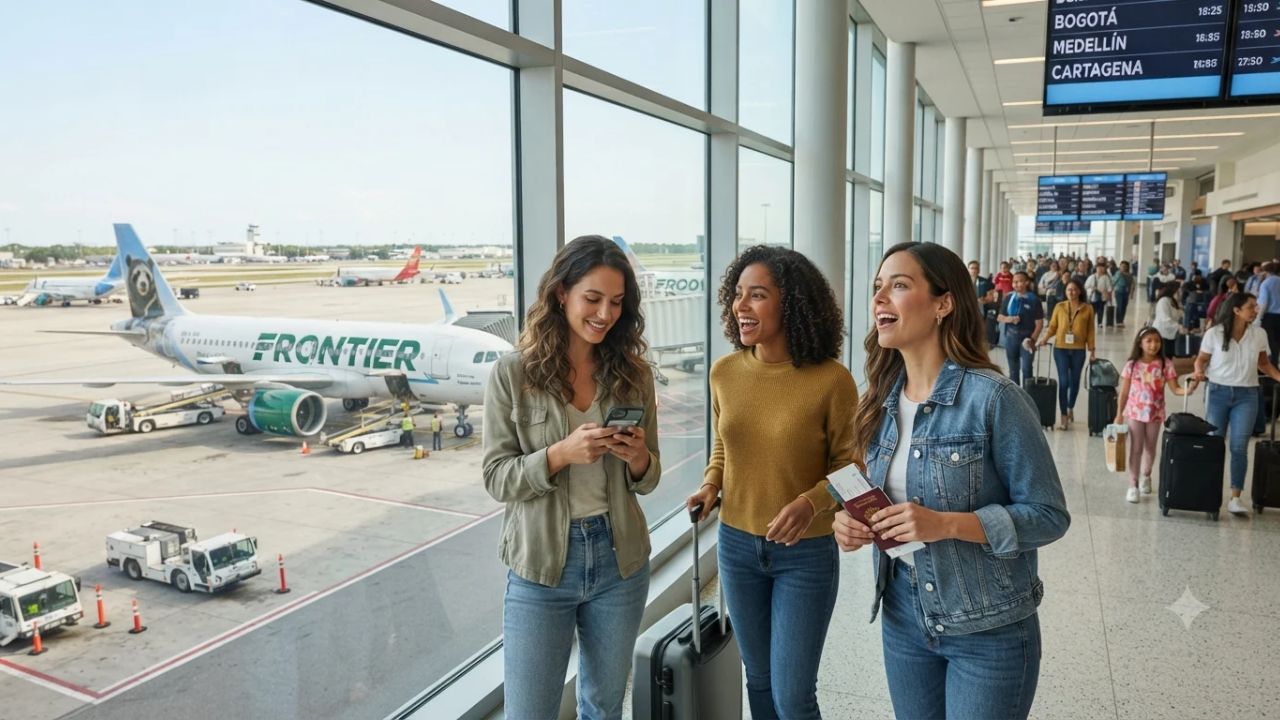
While ultra-low-cost carriers have spent decades expanding point-to-point networks across North America, the Caribbean, and Central America, South America remained largely insulated from American budget airline competition until now. In a landmark international milestone, Frontier Airlines has announced its first-ever scheduled flights to South America, connecting Orlando International Airport (MCO) with three of Colombia’s premier economic and cultural powerhouses—Bogotá, Medellín, and Cartagena—with inaugural departures scheduled for December 2026. By connecting Central Florida’s substantial Colombian diaspora and independent leisure travelers directly with the Northern Andes and the Caribbean basin, this unbundled air corridor is poised to transform access to South America's most dynamic travel destination.
The Orlando-to-Colombia Gateway: Low-Cost Disruption Meets Andean Ambition
The launch of Frontier's Colombian network represents a strategic leap for the carrier, extending its low-fare commercial model beyond traditional tourist corridors. The three new routes scheduled for December 2026 establish direct connections between Orlando and three distinctly varied regional markets:
| Colombian Gateway | Regional Character | Core Traveler Appeal | Airport Hub |
|---|---|---|---|
| Bogotá | High-Altitude Capital | World-class museums, gastronomy, business travel | El Dorado International Airport (BOG) |
| Medellín | Aburrá Valley Innovation | Urban transformation, spring climate, design culture | José María Córdova International (MDE) |
| Cartagena | Caribbean Colonial Coast | UNESCO-listed ramparts, beaches, Afro-Caribbean arts | Rafael Núñez International Airport (CTG) |
Orlando International Airport serves as the natural operational springboard for this South American debut. Beyond functioning as a premier family tourism destination, Central Florida houses one of the largest Colombian populations in the United States, creating sustained year-round demand for visiting friends and relatives (VFR) travel.
By introducing unbundled fares—allowing passengers to purchase basic transit and add carry-on bags or seat assignments à la carte—Frontier provides an affordable alternative to the legacy network carriers that have historically dominated nonstop flying between Florida and Colombia. International flight logistics and terminal gates can be monitored directly through Orlando International Airport.
What Makes Colombia's Golden Triangle Different: Altitude, Innovation, and Colonial Stone
Traveling between Bogotá, Medellín, and Cartagena reveals an astonishing geographical and cultural variety rarely matched in a single country:
Bogotá: The Andean Intellectual Heart
Perched high in the Eastern Cordillera of the Andes at 2,640 meters (8,660 feet) above sea level, Bogotá is a cool, sophisticated metropolis wrapped in mountain mist. The historic center of La Candelaria features steep cobblestone lanes framed by colorful colonial eaves and world-renowned street art. Travelers can wander through the Museo del Oro, which houses the world's largest collection of pre-Hispanic gold artifacts, or ascend the cable car to Monserrate Sanctuary for panoramic vistas across an urban savanna stretching toward the horizon. The culinary scene in neighborhoods like Chapinero and Zona G rivals Latin America's top gastronomic capitals.
Medellín: Urban Transformation in the Valley of Eternal Spring
Located at 1,495 meters inside the tropical Aburrá Valley, Medellín is celebrated for its year-round temperate climate and revolutionary urban planning. Once troubled by cartel strife, the city has transformed itself into a global model of social inclusion. Public Metrocable lines float above verdant hillsides, connecting hillside neighborhoods to the central rail network, while outdoor electric escalators in Comuna 13 have turned former conflict zones into vibrant open-air galleries of street dance and mural art. In Botero Plaza, giant bronze sculptures created by master artist Fernando Botero stand proudly under the tropical sun.
Cartagena: Sun-Drenched Caribbean Heritage
Descending to sea level on the Caribbean coast, Cartagena de Indias is a living architectural masterpiece. Founded in 1533, the city is enclosed by eleven kilometers of massive coral-stone ramparts and formidable bastions built to repel pirate fleets. The inner core is recognized as a UNESCO World Heritage site under the Port, Fortresses and Group of Monuments, Cartagena. Within the walled city and the bohemian quarter of Getsemaní, bougainvillea-draped wooden balconies overlook leafy plazas where the rhythm of cumbia and champeta drifts from open-air cafe terraces.
Visitor Insider Tips: Altitude Protocol, Safety Etiquette, and Neighborhood Bases
Respecting the Bogotá Altitude (Soroche)
Landing at Bogotá's El Dorado Airport drops you directly into thin mountain atmosphere. Do not overexert yourself on your first afternoon. Stay well hydrated, sip traditional hot agua de panela or herbal tea, eat light meals, and save the uphill trek to the summit of Monserrate for your second or third day once your body has naturally acclimatized.
Airport Transport and Street Wisdom (No Dar Papaya)
Never hail yellow street taxis off the curb outside airports or after dark in entertainment districts. At Bogotá (BOG), Medellín (MDE), and Cartagena (CTG), always use official authorized taxi kiosks located inside terminal arrival halls, or hail rides through established smartphone apps like Cabify or Uber. Always follow the beloved local idiom "No dar papaya"—literally, "don't give papaya"—which means do not invite trouble by openly flashing expensive smartphones, professional camera lenses, or heavy jewelry on public streets.
The Medellín Airport Descent
Be aware that Medellín's international airport, José María Córdova (MDE), is located high up in the municipality of Rionegro, roughly 45 to 60 minutes from Medellín's valley floor. Rather than paying steep taxi rates, budget-conscious travelers can take the frequent airport colectivos (white minibuses) from outside the terminal to San Diego Mall in central Medellín for approximately 15,000 COP, transitioning to the clean and safe Medellín Metro system.
Strategic Neighborhood Bases
- In Bogotá: Base yourself in the leafy, walkable streets of Chapinero Alto or Quinta Camacho, packed with boutique cafes, artisan roasters, and micro-breweries, avoiding the deserted streets of La Candelaria after nightfall.
- In Medellín: Skip the noisy, tourist-saturated party quarters of Parque Lleras in El Poblado. Stay in Laureles, a tranquil residential barrio centered around circular tree-lined boulevards, local fruit juice stands, and neighborhood salsa bars.
- In Cartagena: Reserve a boutique room inside the historic walled perimeter for quiet charm, or stay in Getsemaní near Plaza de la Trinidad to experience authentic street life and community music.
- Local Culinary Staples: Feast on Ajiaco (a hearty soup of shredded chicken, three regional potato varieties, corn on the cob, and guascas herbs topped with capers and cream) in Bogotá; order a classic Bandeja Paisa in Medellín; and enjoy fresh snapper with coconut rice and fried plantains on the Cartagena coast. Plan seasonal cultural routes through Colombia Travel.
Cultural and Environmental Context: Community Tourism and Biodiversity Conservation
Colombia's modern tourism surge is deeply rooted in community regeneration and environmental stewardship. The nation is officially recognized as the second most biodiverse country on the planet, protecting fragile Andean paramos, cloud forests, and vibrant coral reef marine parks. Responsible travelers should select community-guided excursions in places like Medellín's Comuna 13, where tour proceeds directly fund youth music schools and local neighborhood libraries.
On the Caribbean coast, overtourism presents real preservation challenges for Cartagena's delicate colonial fortifications and coastal mangroves. Mindful visitors help ease this pressure by venturing beyond the tourist center, taking eco-tours through the mangrove channels of La Boquilla guided by local Afro-descendant fishing cooperatives, and supporting sustainable craft markets that preserve traditional Zenú weaving techniques.
FAQ: Visiting Colombia with Frontier 2026
When do Frontier Airlines flights to Colombia begin?
Frontier Airlines begins operating its direct flights from Orlando to Bogotá, Medellín, and Cartagena in December 2026, marking the airline's first-ever routes into South America.
Do United States citizens need a visa to enter Colombia?
No. United States citizens do not require an entry visa for tourist stays under 90 days, though you must possess a valid passport and submit the mandatory online Check-Mig border form prior to boarding.
What is the best time of year to visit these three Colombian cities?
The dry season spanning December through March offers the sunniest conditions, pleasant mountain breezes in Bogotá and Medellín, and dry coastal weather in Cartagena.
How easy is it to travel between Bogotá, Medellín, and Cartagena?
Short domestic flights connecting these three cities take approximately one hour each, making it simple and fast to combine all three destinations on a ten-day itinerary.
From the cool heights of the Andean paramos to the sun-bleached ramparts of the Caribbean, Frontier's December debut opens an affordable path to experiencing Colombia's most vibrant cultural soul.
Related Travel Guides
This article is for informational purposes. Flight routes, passenger regulations, visa rules, and transit advisories are subject to change by airlines and aviation authorities. Readers are advised to verify schedules and travel documentation with relevant carriers and border agencies before departure.
Related Stories

Warm US Winter Travel Guide 2026–2027: Nine Sunshine Escapes from the Florida Keys to Hawaii
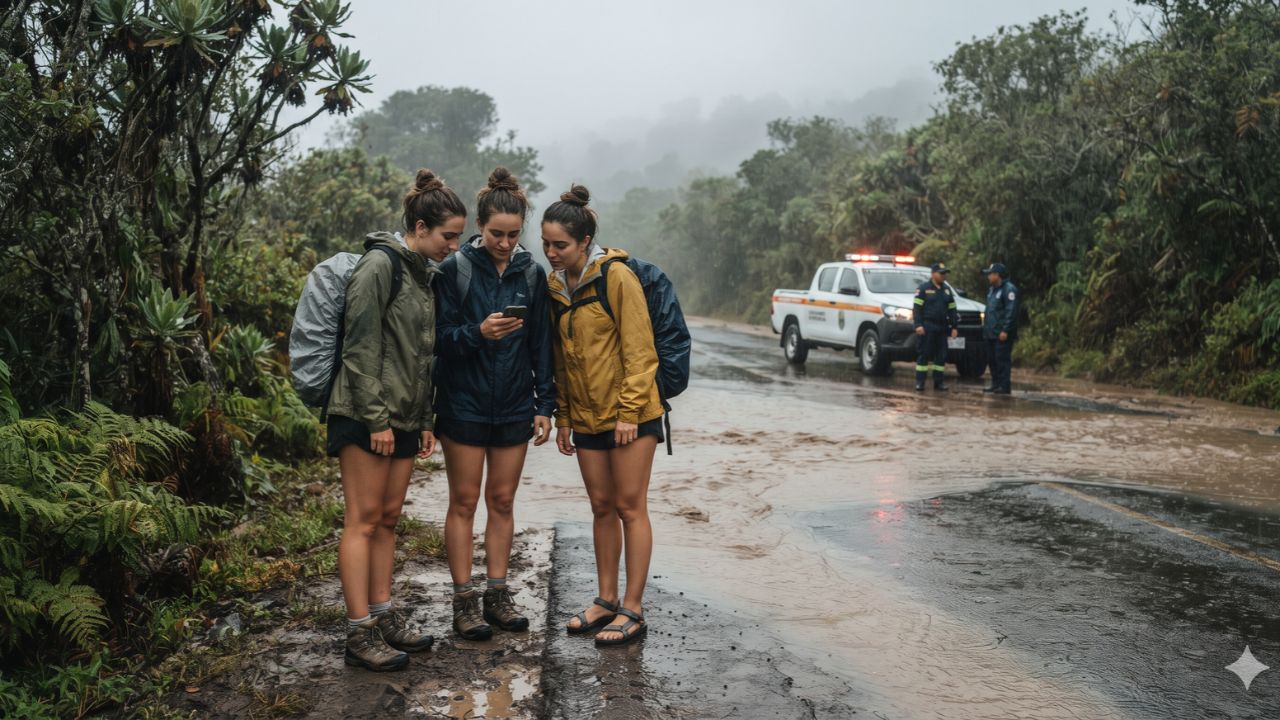
Galápagos Santa Cruz Flooding Alert 2026: Baltra Airport Updates, Island Road Conditions, and Travel Guide