
Thailand Tourism Forecast 2026: Foreign Arrivals Predicted to Drop 4.5% to 31.5 Million Visitors

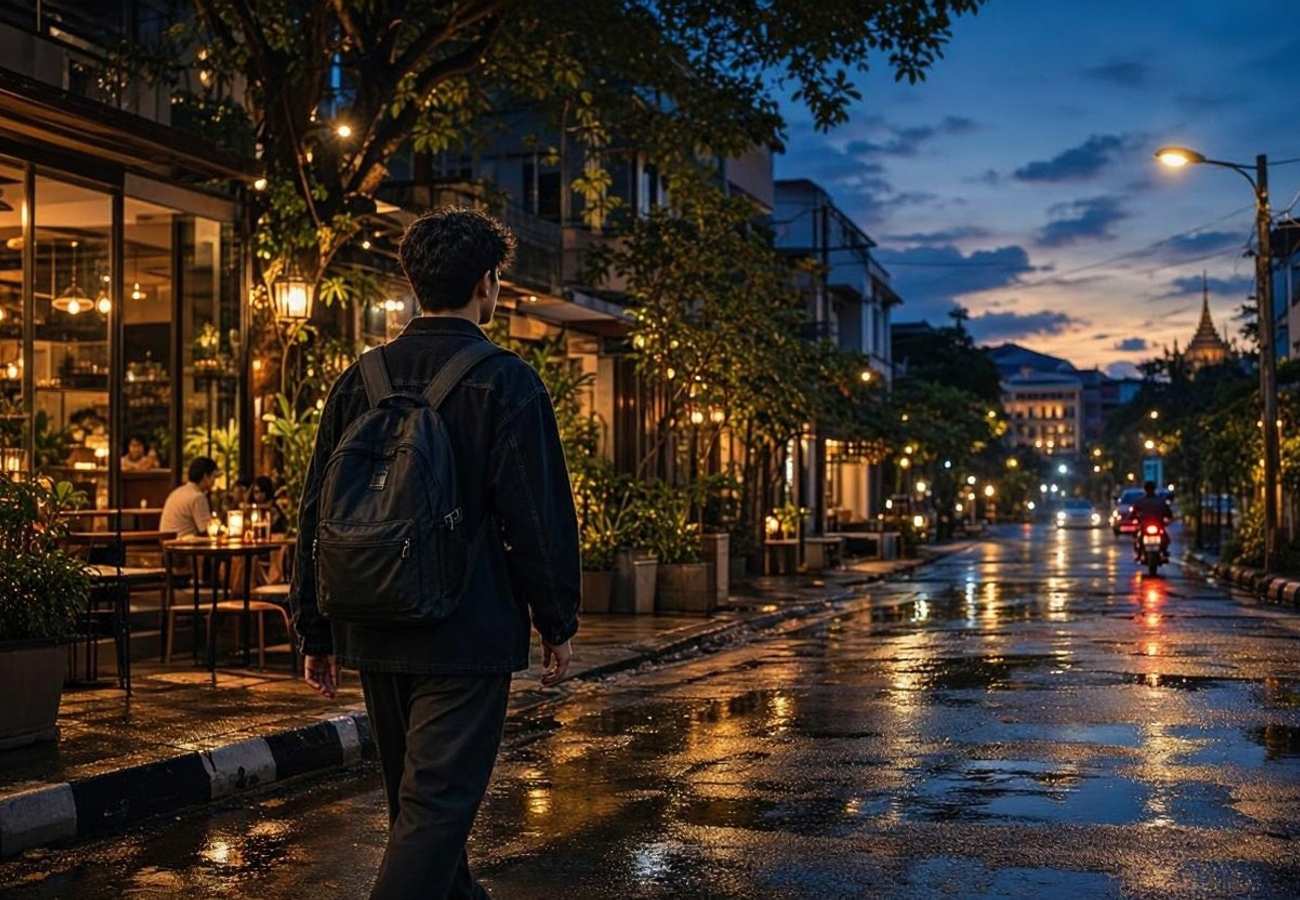
Image generated by AI
By September 2026, Thailand recorded a staggering 10.5% year-on-year drop in visitors, signaling that the country's tourism slowdown is a systemic trend rather than a seasonal dip. While the Land of Smiles has long been the default gateway to Asia, a combination of administrative friction and aggressive regional competition is shifting the map for international travelers.
The Erosion of the Thai Tourism Monopoly
Thailand is currently navigating a period of stark recalibration. According to data from the University of the Thai Chamber of Commerce (UTCC), the nation is expected to welcome 31.5 million international tourists by the end of 2026. This marks a 4.5% decrease from the nearly 33 million arrivals seen in 2025.
The decline has been progressive. The first nine months of 2026 saw 23.20 million arrivals, a 3.8% contraction that translates to 916,019 fewer visitors than the same period last year. The trend has accelerated quarterly: a 2.4% dip in Q1, a 4.4% drop in Q2, and a 5% fall in Q3.
What Makes the Regional Shift Happen
Thailand is no longer the only affordable, high-value option in the region. Vietnam has emerged as a primary challenger, leveraging aggressive price points and the rapid development of new attractions to lure budget-conscious and mid-range travelers. Simultaneously, Japan and China have modernized their offerings, capturing the attention of repeat visitors who previously viewed Thailand as their sole Asian destination.
Beyond regional rivalry, macro-economic pressures are playing a significant role. A survey of nationwide operators revealed that 48.1% of the decline is attributed to external forces, including Middle East tensions and global economic volatility. Furthermore, skyrocketing aviation fuel costs have pushed ticket prices higher, creating a barrier for the long-haul travelers upon whom Thailand heavily relies.
Visitor Logistics and Market Shifts
The demographic profile of who visits Thailand is changing rapidly. While some markets are collapsing, others are surging.
2026 Market Performance Data
| Source Market | Arrival Trend | Performance Detail |
|---|---|---|
| China | +15.2% | 3.94 million visitors (Strong Growth) |
| South Korea | -25.4% | Severe Contraction |
| Malaysia | -15.2% | Significant Drop |
| India | -2.5% | Slight Decline |
| Russia | -0.1% | Relatively Stagnant |
For those still planning a trip, the Tourism Authority of Thailand (TAT) provides updated guidelines, though industry insiders note that "policy confusion" regarding visas remains a point of friction.
Visitor Insider Tips
If you are heading to Thailand in 2026, avoid the "brochure" path and use these local strategies to bypass the current systemic frictions:
- Border Hacks: Land border crossings are currently reported as chaotic. If entering from neighboring countries, prioritize official e-visa portals to avoid lengthy queues and inconsistent requirements at checkpoints.
- Flight Strategy: With flight availability tightening, book "open-jaw" tickets (flying into Bangkok and out of Phuket or Chiang Mai) to avoid the cost and time of backtracking.
- Neighborhood Base: Instead of the overcrowded Khao San Road, base yourself in Ari (Bangkok) for a more authentic, local cafe culture and residential vibe.
- Timing: To avoid the peak congestion that still plagues the high season, target the "shoulder" months of May and October. You will find lower hotel rates and shorter lines at UNESCO World Heritage sites like the Historic City of Ayutthaya.
Cultural and Environmental Context
The current decline is forcing a necessary conversation about the "quality vs. quantity" of tourism. For decades, Thailand chased high arrival numbers, leading to over-tourism in spots like Maya Bay and the degradation of local ecosystems.
The 21.7% of travelers shifting to competitors like Vietnam suggests that the "value-for-money" proposition is evolving. Local communities are now pushing for a model that prioritizes high-spending, sustainable visitors over mass tourism. However, the friction at border checkpoints and visa confusion indicates a gap between the government's desire for "quality" tourists and the actual infrastructure provided to facilitate their entry.
FAQ: Visiting Thailand 2026
Is it still affordable to visit Thailand in 2026? Yes, but the "ultra-cheap" era is fading. Rising fuel costs have increased flight prices, and inflation is hitting local services. Budget for 15-20% more than you would have in 2020.
Do I need a visa for Thailand? Visa policies are currently fluid. Check the official Thai E-Visa portal before departure, as "policy confusion" has been cited by operators as a major deterrent for visitors.
Which is better for a first-timer: Thailand or Vietnam? Thailand offers more established infrastructure and variety, while Vietnam currently provides a higher "value-for-money" experience and faster-growing attraction sites.
Is Thailand safe for solo travelers in 2026? Generally, yes. While some industry surveys mention "safety concerns," these are largely related to opportunistic scams in tourist hubs rather than systemic violence.
The Land of Smiles is learning that hospitality alone isn't enough when the rest of Asia is catching up.
Related Travel Guides
This article is for informational purposes. Flight routes, passenger regulations, visa rules, and transit advisories are subject to change by airlines and aviation authorities. Readers are advised to verify schedules and travel documentation with relevant carriers and border agencies before departure.
Related Stories
Thailand Tourism Slowdown Tests Small Businesses as Kingdom Pivots to High-Yield Travel and Secondary Provinces

Thailand and Vietnam Lead Asia Tourism Surge in 2026 via Strategic Visa Policy Shifts
