
Bulgaria Unveils Tourism Growth Push With Germany Poland and More Markets to Reach 8 Million Visitors Annually by 2029
Bulgaria Unveils Tourism Growth Push With Germany Poland and More Markets to Reach 8 Million Visitors Annually by 2029

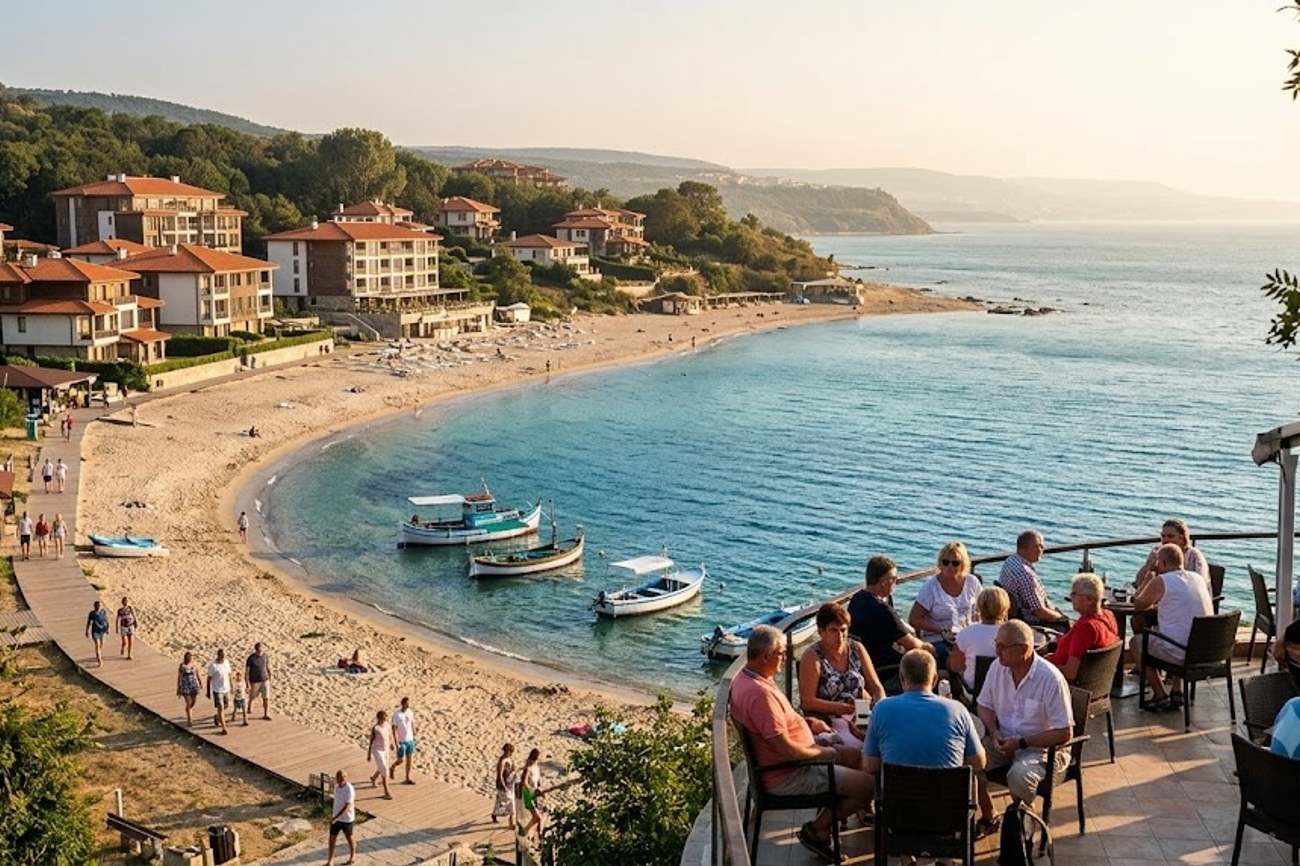
Image generated by AI
[Sofia, May 2024] — Bulgaria is implementing an aggressive new tourism expansion strategy aiming to attract 8 million foreign visitors annually by 2029. The initiative seeks to nearly double current international arrival figures and pivot the nation away from its historical reliance on seasonal summer crowds.
The Bulgarian government and tourism boards are targeting a diversified visitor base to stabilize the domestic economy and reduce the volatility of "peak-season" tourism. By shifting focus toward year-round travel, the state intends to leverage its mountain ranges, wellness spas, and cultural heritage sites to maintain high occupancy rates in hotels and transport services during the traditional off-peak months.
The Drivers of the 2029 Ambition
The push for 8 million annual visitors follows a period of significant recovery and organic growth within the sector. According to official tourism data, Bulgaria recorded 4,140,353 foreign tourists in 2025. When combined with domestic travel, the total number of tourists reached 9,504,275 for the year.
This growth is not merely speculative; foreign visitor numbers in 2025 saw a 9.8 percent increase compared to 2024. The government is now capitalizing on this momentum to transition from a "beach destination" to a comprehensive European travel hub. The strategy focuses on three primary pillars: sustainable development, increased global visibility, and the removal of friction in international travel access.
Targeted Markets and Visitor Demographics
Bulgaria is not pursuing a blanket approach to growth but is instead focusing on five specific priority markets. These regions have been identified based on existing demand and untapped potential for long-haul or regional expansion.
| Priority Market | Strategic Opportunity |
|---|---|
| Germany | Expansion of established European leisure and outdoor travel demand |
| Poland | Increasing interest in cultural tourism and holiday packages |
| Romania | Leveraging geographic proximity for short-haul regional growth |
| Türkiye | Capitalizing on cross-border travel and regional visitor flows |
| Japan | Establishing Bulgaria as a primary European destination for long-haul travelers |
To capture these markets, the state is coordinating with the Ministry of Tourism to launch targeted marketing campaigns and improve the flow of travel information. For long-haul markets like Japan, the focus is on high-value cultural tourism, while the Romanian and Turkish markets are viewed as engines for consistent, short-term regional visits.
What This Means for Travelers
For the average traveler or travel agent, this strategy signals a shift in how Bulgaria is packaged and sold. The "sun and sea" model of the Black Sea coast is being supplemented by a broader portfolio of experiences.
1. Diversified Itineraries Travelers can expect a surge in curated packages that combine coastal stays with mountain excursions. The government is heavily promoting winter tourism through ski resorts and outdoor adventure sports to fill the winter gap.
2. Enhanced Wellness and Culture There is a concerted effort to market Bulgaria’s thermal springs and spa traditions. Travelers looking for wellness retreats will find more infrastructure and promotional offers for spa destinations that operate independently of the summer season.
3. Improved Accessibility To reach the 8 million mark, Bulgaria must solve its connectivity issues. This means travelers should expect an increase in flight frequencies and potentially new routes from European hubs. Increased cooperation with carriers and the Bulgarian Civil Aviation Administration is expected to streamline entry and transit procedures.
4. Pricing and Value While the country remains an affordable European destination, the push for "quality over quantity" and sustainable growth may lead to a shift in the types of accommodations available, with more emphasis on boutique and eco-friendly lodging.
The Path to Year-Round Tourism
The core of the 2029 plan is the eradication of the "seasonal slump." Historically, Bulgaria's tourism economy peaked in July and August and dipped sharply in the autumn and spring. To counter this, the state is diversifying its "Tourism Segments" as follows:
- Summer Tourism: Maintaining the dominance of Black Sea resorts while introducing higher-value activities.
- Winter Tourism: Expanding the reach of mountain resorts and specialized ski experiences.
- Cultural Tourism: Promoting historic cities and heritage sites to attract "city-break" travelers throughout the year.
- Wellness Tourism: Developing spa and relaxation hubs as a primary draw for the autumn and spring windows.
- Nature Tourism: Promoting hiking, trekking, and landscape photography across the country's diverse geography.
By spreading the visitor load across twelve months, Bulgaria aims to create a more sustainable economic ecosystem where local businesses, hotels, and restaurants can maintain year-round employment rather than relying on temporary seasonal staff.
Infrastructure and Economic Outlook
The economic implications of reaching 8 million foreign visitors are substantial. The growth is expected to ripple through several sectors:
Aviation and Transport: Increased demand for seats will likely attract more low-cost carriers and charter flights, particularly from the identified priority markets in Germany and Poland.
Hospitality: The shift toward year-round travel necessitates a transition in hotel management, moving away from seasonal closures toward permanent operations.
Regional Development: By promoting nature and cultural tourism, the government is directing tourist spend away from the coast and into the interior of the country, supporting smaller municipalities and rural communities.
The success of this plan depends heavily on the ability of the Sofia Airport and other regional gateways to handle increased capacity without degrading the passenger experience. The government's focus on "improved access" suggests that infrastructure upgrades will be a prerequisite for the 2029 targets.
FAQ: Bulgaria Tourism Strategy 2029
What is Bulgaria's goal for foreign tourism by 2029? Bulgaria aims to attract 8 million foreign tourists annually by 2029. This is a significant increase from the 4,140,353 foreign visitors recorded in 2025.
Which countries is Bulgaria targeting for growth? The strategy prioritizes five key markets: Germany, Poland, Romania, Türkiye, and Japan. These markets are seen as the primary drivers for both regional and long-haul visitor increases.
How is Bulgaria moving away from "seasonal" tourism? The country is promoting winter ski resorts, year-round wellness and spa destinations, and cultural heritage sites to attract visitors outside the traditional summer beach season.
Will this affect flight availability to Bulgaria? Yes. A central part of the strategy is improving air connectivity and increasing flight options to make the country more accessible to international travelers.
Bulgaria is betting on diversification to transform from a summer getaway into a permanent fixture on the global travel calendar.
#BulgariaTourism2029 #SofiaAirport #BlackSeaTourism #BCAA #EUTravelGrowth #JapanBulgariaRoute
Related Travel Guides
- Egypt Positions Luxor as Upper Egypt Medical Tourism Hub With 522 Hospital Beds and Advanced Care
- Uzbekistan Unlocks New Travel Era With High Speed Tashkent Nukus Train Cutting Journeys and Connecting Regions
- South Africa Is Now on the Path to Unlock a Great New Club Med Opportunity for Family Tourism
Disclaimer
This article is for informational and educational purposes only. It does not constitute legal, financial, or professional advice. While we strive to provide accurate and up-to-date information, travel policies, regulations, and conditions change rapidly. Always verify information with official sources before making travel decisions. Nomad Lawyer makes no representations about the accuracy, reliability, completeness, or suitability of the information provided. Readers should consult qualified professionals for advice specific to their circumstances. The views expressed in this article are those of the author and do not necessarily reflect the views of Nomad Lawyer.
Preeti Gunjan
Contributor & Community Manager
A passionate traveller and community builder. Preeti helps grow the Nomad Lawyer community, fostering engagement and bringing the reader experience to life.
Learn more about our team →