Thailand Showcases Iconic Film Locations at TIFF 2026 to Boost Global Cinema Tourism Growth

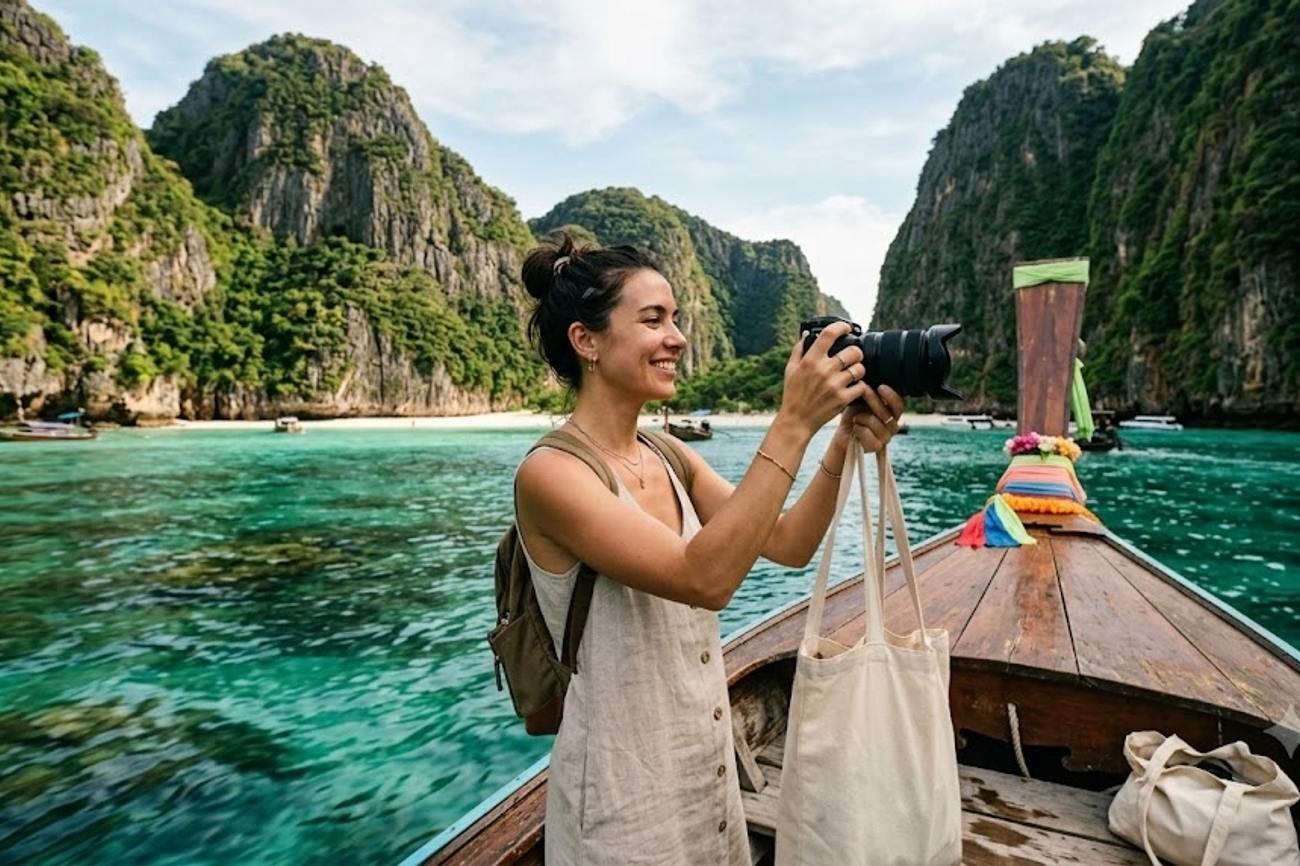
Image generated by AI
Most travelers see Thailand through a lens of beaches and temples, but the country is currently repositioning itself as a living movie set where the geography serves as a primary character in the story. During the Toronto International Film Festival (TIFF) from September 10 to 16, the Tourism Authority of Thailand (TAT) launched a strategic pivot called “Amazing Location Thailand: From Scene to Scenic,” moving beyond the role of a passive backdrop to become an active narrative partner for global cinema.
The Shift Toward Cinematic Tourism
Thailand is currently evolving its approach to the "Visitor Economy" by integrating the creative arts directly into its travel infrastructure. This isn't just about attracting a few more blockbuster crews; it is a calculated move under the Sub-Culture Economy pillar of the broader Amazing 5 Economy framework. The logic is a closed loop: by attracting high-profile international media productions, the country creates visual advertisements that trigger a specific type of travel demand. When a viewer sees a specific street in Bangkok or a mountain range in the north on a cinema screen, they aren't looking for a generic vacation—they are seeking a specific cinematic experience.
At TIFF 2026, this vision was articulated through a series of high-level industry engagements. The TAT didn't just set up a booth; they hosted a dedicated panel titled “Amazing Locations: From Scene to Scenic — Place as Character: How Thailand Shapes Global Cinema?” The core of the discussion was the transition of a location from a mere background to a "character." This means the local rhythms, the specific humidity of the air, and the authentic community interactions are what provide the narrative weight. This strategy was further amplified through a Variety Studio interview and a networking event with CULTURED, which drew over 50 creative industry professionals to discuss the logistical and artistic advantages of filming in the Kingdom.
What Makes Thailand a Production Powerhouse
The appeal of Thailand for filmmakers—and by extension, the travelers who follow them—lies in the diversity of its "filming routes." During the TIFF 2026 Market, the TAT unveiled 10 curated routes that blend potential production sites with authentic community experiences. These aren't typical tourist trails; they are designed to show how a cinematic location translates into a tangible travel experience.
The strength of the Thai film ecosystem is a collaborative effort involving the Thailand Film Office under the Department of Tourism, Ministry of Tourism and Sports, and the Department of International Trade Promotion. This infrastructure provides international crews with more than just scenery; it offers a professional network of skilled technicians and facilities that rival major global hubs. For the traveler, this means that the places appearing in upcoming films are often areas where local communities are being empowered to preserve their heritage while welcoming a new kind of visitor.
Whether it is the neon-soaked alleys of Bangkok or the mist-covered peaks of the North, the goal is to ensure that the "scene" (the fictional version seen on screen) leads directly to the "scenic" (the real-world exploration). By utilizing the Tourism Authority of Thailand resources, visitors can now find their way to these specific coordinates, turning a movie credit list into a travel itinerary.
Visitor Insider Tips
To experience Thailand through a cinematic lens without getting caught in the tourist traps, you need to change your timing and your targets.
Timing the Light: If you are visiting locations to capture your own visuals or simply to feel the mood of a film set, avoid the midday heat. The "blue hour"—the period just before sunrise and after sunset—is when Thailand’s cities and rural landscapes take on that saturated, cinematic quality. In Bangkok, the riverside areas are best explored between 6:00 AM and 8:00 AM before the humidity and traffic peak.
Navigating the Neighborhoods: While most visitors stick to Sukhumvit, look toward the Talat Noi area. This is where the intersection of old warehouses, street art, and traditional Chinese-Thai community life creates a natural film set. It is one of the best places to witness the "Place as Character" philosophy in action.
Local Etiquette for Explorers: When visiting community-based filming routes, remember that these are living spaces. If you find yourself in a village that has been used as a set, always ask for permission before photographing residents. A small gesture of respect goes a long way in ensuring that film tourism remains a positive force for the locals.
Transport Hacks: To get between the 10 curated filming routes, avoid relying solely on taxis. Use the State Railway of Thailand for longer journeys to the North or South. The slow train is not just a transport method; it is a cinematic experience in itself, offering views of the countryside that no highway can provide.
Cultural and Environmental Context
The push toward "film tourism" brings a complex set of challenges and opportunities. On one hand, the Sub-Culture Economy provides a financial lifeline to rural communities that were previously overlooked by mass tourism. When a remote village becomes a filming location, it brings infrastructure improvements and global visibility.
However, the "set-jetting" phenomenon—where thousands of tourists flock to a single spot because of a movie—can lead to environmental degradation and "over-tourism" in fragile areas. The TAT's current strategy attempts to mitigate this by diversifying the locations. By promoting 10 different routes rather than one "hit" location, they are spreading the economic benefit and the physical footprint of visitors across a wider geography.
Furthermore, there is a delicate balance between the "glamorized" version of Thailand seen in cinema and the reality of local life. The goal of the "From Scene to Scenic" campaign is to bridge this gap, encouraging visitors to engage with the actual culture and people, rather than just treating the destination as a photo opportunity for social media. This shift toward authentic storytelling helps preserve the very cultural identity that makes Thailand attractive to filmmakers in the first place. For those interested in the preservation of these sites, the UNESCO World Heritage Centre provides context on how Thailand manages its most precious historical landmarks amidst growing global interest.
FAQ: Visiting Thailand 2026
What is the best time to visit Thailand for cinematic scenery? The cool season from November to February offers the best weather and clearest skies for photography. However, for the lush, green "monsoon" aesthetic often seen in films, visiting during the shoulder months of May or October provides dramatic clouds and vibrant landscapes.
Do I need a visa to visit Thailand? Visa requirements vary by nationality. Many Western travelers benefit from visa-exempt entry for short stays, but you should check the latest regulations via the official Thai Embassy or the Department of Consular Affairs before booking.
How do I get to the rural filming routes from Bangkok? For the northern routes, domestic flights to Chiang Mai or the overnight sleeper train are most efficient. For southern locations, flights to Phuket or Krabi are recommended. Once there, hiring a local driver is the best way to reach remote, non-tourist sites.
Is it safe for solo travelers to explore off-the-beaten-path locations? Yes, Thailand is generally very safe for solo travelers. When venturing into less-visited communities, it is advisable to hire a local guide. This not only ensures safety but provides the cultural context necessary to respect local customs.
Stop watching the story on a screen and start walking through the frame.
Related Travel Guides
- Thailand Strengthens Norway Tourism Links With Wellness Experiences and Hidden Destinations in Oslo
- Why the 2026 Spirit of Africa Festival in Nairobi Is Revolutionising Intra-Continental Tourism Now
- Nepal Creates A New Cultural Tourism Attraction As Bhaktapur’s Sa Paru Festival Draws Curious Travellers
This article is for informational purposes. Flight routes, passenger regulations, visa rules, and transit advisories are subject to change by airlines and aviation authorities. Readers are advised to verify schedules and travel documentation with relevant carriers and border agencies before departure.
Related Stories

Thailand Unveils Amazing Thailand Innovation Gadget to Drive Smart Tourism and Travel Tech Growth

Thailand Strengthens Norway Tourism Links With Wellness Experiences and Hidden Destinations in Oslo