
Thailand Draws Food Travellers With Exclusive Torino Inspired Menu at Four Seasons Hotel Bangkok
Thailand Draws Food Travellers With Exclusive Torino Inspired Menu at Four Seasons Hotel Bangkok

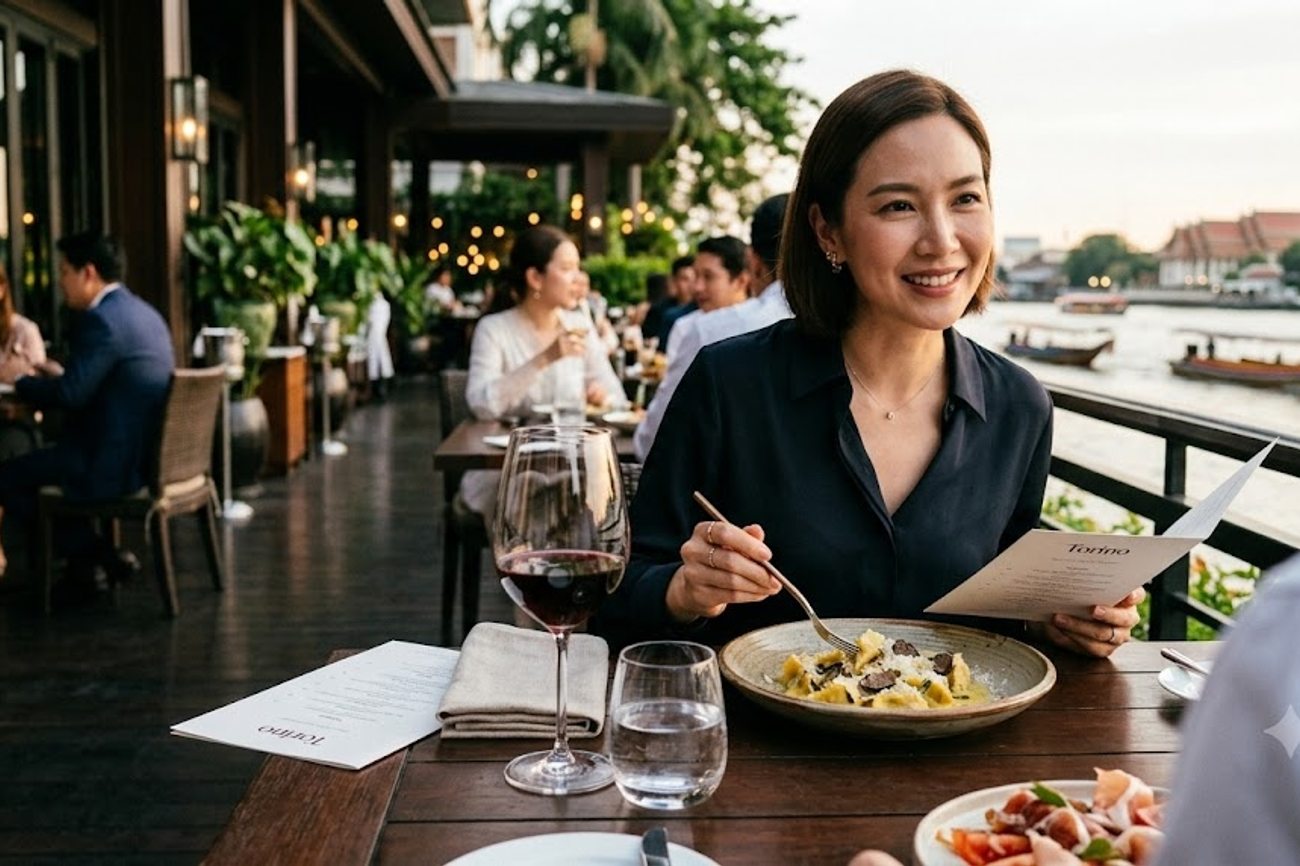
Image generated by AI
High-end gastronomic tourism in Thailand has shifted from general luxury dining to hyper-specific, limited-time "chef residency" models, with specialized culinary pop-ups now commanding a premium over standard fine dining offerings. This evolution is evidenced by the Four Seasons Hotel Bangkok’s strategic launch of the Maestri della Tavola: From Torino to Bangkok showcase, scheduled from September 18 to 30, 2026. By importing a specific regional expertise—in this case, the Piedmontese craftsmanship of Massimiliano Prete—the hotel is tapping into a broader global trend where the "scarcity principle" is applied to dining to drive short-term occupancy and high-spend food and beverage (F&B) revenue.
The Gastronomic Scarcity Metric: September 2026
The Maestri della Tavola event is not a permanent menu addition but a precision-timed intervention. The data shows a highly compressed window of operation: a total of 13 days. Within this window, the "peak value" period is further narrowed to September 18 and 19, the only dates when Massimiliano Prete, founder of Sestogusto Torino, will personally oversee lunch and dinner services.
From a data perspective, this represents a "micro-event" strategy. The menu focuses on highly specific regional inputs rather than generic Italian fare. For instance, the SopraSotto pizza utilizes a combination of Culatello fiocco, Pecorino Fondatore, and ’nduja on naturally fermented dough. Other data points include the use of Vesuvian cherry tomatoes and Cantabrian anchovies in the La Chorizo e Acciughe, and the integration of Sicilian red shrimp in the Il Gambero Rosso.
The beverage program mirrors this specificity, utilizing Grappa Poli “Elegante” in the "Whiskey? No, Grappa!" cocktail and tomato water for the "Essence of Tomato" martini. This level of ingredient provenance is a key driver in the current "foodie" economy, where travelers seek verifiable origins (provenance) over brand names.
Regional Specialization vs. General Luxury
The shift toward regionality—moving from "Italian" to "Piedmontese" or "Sicilian"—reflects a wider movement in the luxury hospitality sector. According to data trends often tracked by STR, luxury hotels are increasingly using "experiential programming" to maintain Average Daily Rates (ADR) during shoulder seasons.
Historically, Italian dining in Southeast Asia focused on a homogenized "Tuscan-Roman" blend. The Torino-to-Bangkok collaboration signals a move toward "hyper-regionalism." The following table compares the traditional luxury dining model against the emerging "Residency" model seen at the Four Seasons Bangkok.
| Metric | Traditional Luxury Dining Model | Residency Model (Maestri della Tavola) |
|---|---|---|
| Menu Duration | Quarterly or Annual Updates | Limited Window (13 Days) |
| Chef Presence | Permanent Executive Chef | Visiting Artisan + Executive Chef |
| Cuisine Scope | National/General (e.g., Italian) | Regional/Specific (e.g., Piedmontese) |
| Ingredient Focus | High-Quality Global Sourcing | Artisanal/Fermentation-Led Provenance |
| Guest Draw | Consistent Brand Loyalty | Event-Driven "FOMO" (Fear Of Missing Out) |
| Pricing Strategy | Stable Premium | Event-Based Premium |
This shift is part of a global pattern where the World Tourism Organization (UNWTO) has noted an increase in "creative tourism," where travelers seek to engage in the actual process of craftsmanship—such as Prete’s specific fermentation techniques—rather than just consuming a finished product.
Practical Traveler Advisory and Strategic Insights
For the high-net-worth traveler or the culinary enthusiast planning a trip to Bangkok in late 2026, this data suggests that the traditional "walk-in" or "last-minute booking" approach to luxury dining is now obsolete for high-profile collaborations.
- Booking Windows: Because the window for personal interaction with Chef Prete is limited to September 18 and 19, reservations for these 48 hours will likely reach capacity weeks in advance. Travelers should target a booking window of 4-6 weeks prior to the event start date.
- Value Optimization: If the primary goal is the "craftsmanship" experience (interacting with the artisan), the September 18-19 window is the only viable option. However, for those seeking the specific regional flavor profiles (the SopraSotto or La MarinAria), the period from September 20 to 30 offers a similar gastronomic output with likely higher table availability.
- Budgeting for "Experience Premiums": Limited-time collaborations typically carry a price premium over the standard Riva del Fiume menu. Travelers should expect a 15-25% increase in per-head cost for "signature" collaboration dishes.
Projections for the 2026-2027 Culinary Market
Based on the trajectory of the Four Seasons Bangkok’s strategy, we can project that "Culinary Residencies" will become the primary driver for luxury F&B growth in Asia. We are moving away from the era of the "Celebrity Chef Restaurant" (a permanent fixture) and into the era of the "Artisan Pop-up" (a rotating series).
This model allows hotels to refresh their brand identity every 2-4 weeks without the overhead of a permanent menu overhaul. We expect to see a rise in "Micro-Regional" tours—where a traveler might visit Bangkok specifically for a 10-day Piedmontese showcase, then move to Singapore for a specific Basque residency. This turns the city into a gallery of global flavors rather than a static destination.
Data from IATA regarding passenger flows suggests that "purpose-driven" travel (trips taken for a specific event) is more resilient to economic downturns than general leisure travel. By tying their dining experience to a specific date and a specific person (Massimiliano Prete), Four Seasons is effectively creating a "destination event" that can influence a traveler's decision to visit Bangkok in September 2026.
FAQ: Bangkok Culinary Trends 2026
Will these limited-time menus increase overall dining prices in Bangkok? Yes. The introduction of imported artisanal ingredients and visiting chef fees typically raises the price floor for luxury dining. However, these are usually isolated to specific "event" menus rather than a general increase across all hotel dining.
Is it better to book for the chef's presence or the remaining menu dates? For networking and "culinary tourism" data, the September 18-19 dates are superior. For those prioritizing the food quality over the social experience, the September 20-30 window provides the same menu with less congestion.
Which other airlines or hotels are adopting this residency model? While this specific event is at Four Seasons, the trend is widespread across the Mandarin Oriental and Capella groups globally, who are increasingly replacing static menus with rotating regional artisan showcases.
The era of the generic luxury menu is dead; the era of the hyper-regional, time-bound gastronomic event has arrived.
Related Travel Guides
- Greece, Turkiye And More Eurasian Countries Enter Post-DMA Tourism Shift as Hotels Build Direct-to-Guest Ecosystems
- Plaza Premium Group Sets New Aviation Benchmark With Global Lounge Award and 10-Year Skytrax Winning Journey
- Southwest Airlines Brings First Airport Lounges to Texas and Maryland in Major Premium Travel Shift
Disclaimer
This article is for informational and educational purposes only. It does not constitute legal, financial, or professional advice. While we strive to provide accurate and up-to-date information, travel policies, regulations, and conditions change rapidly. Always verify information with official sources before making travel decisions. Nomad Lawyer makes no representations about the accuracy, reliability, completeness, or suitability of the information provided. Readers should consult qualified professionals for advice specific to their circumstances. The views expressed in this article are those of the author and do not necessarily reflect the views of Nomad Lawyer.
Kunal K Choudhary
Co-Founder & Contributor
A passionate traveller and tech enthusiast. Kunal contributes to the vision and growth of Nomad Lawyer, bringing fresh perspectives and driving the community forward.
Learn more about our team →