
Thailand Creative Tourism: Cities Target UNESCO Recognition for Sustainable Growth
Thailand accelerates its creative tourism network, targeting UNESCO Creative Cities status for new hubs and establishing 35 sustainable zones by 2037.

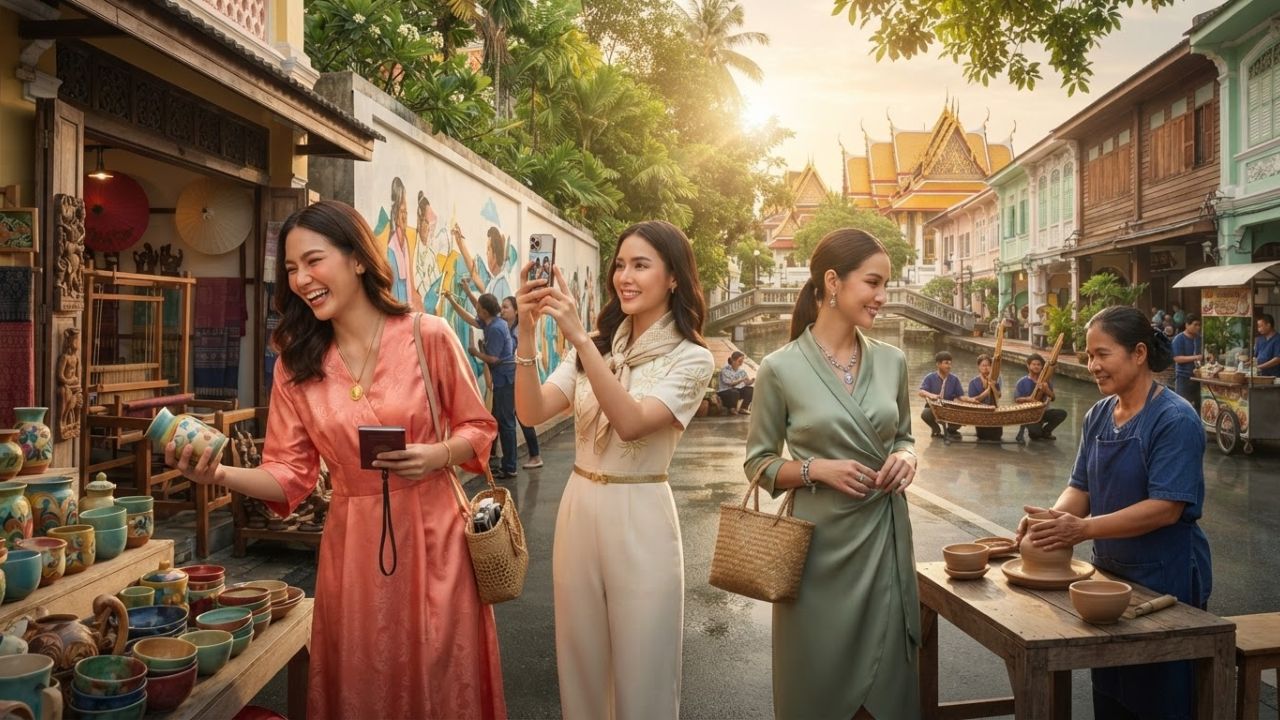
Image generated by AI
Thailand has launched a long-term creative tourism campaign, aiming to have 35 cities and communities recognized as sustainable tourism hubs by 2037.
On August 7, 2026, national planners evaluated the municipal development strategies. Coordinated by the Tourism Authority of Thailand (TAT), the initiative focuses on expanding the country's representation in the UNESCO Creative Cities Network (UNESCO). Under active guidelines, Thailand targets securing recognition for two additional destinations every two years, which is projected to increase local tourism revenue by 10% to 30%.
The Core Transit Update
Thailand is diversifying its travel sector by steering international visitor spending toward regional cultural centers.
Currently, nine Thai cities are recognized under the UNESCO Creative Cities Network, dating back to Phuket's designation as a City of Gastronomy in 2015. The Designated Areas for Sustainable Tourism Administration (DASTA) is preparing new applications, including Pattaya for film, Chanthaburi for gastronomy, and Si Sa Ket for crafts and folk art. This cultural corridor expansion integrates with regional transit updates, such as the mobility shifts described in Thailand, Singapore, Malaysia Lead Southeast Asia Visa-Free Revolution in 2026.
To support long-term regional access, the Ministry of Tourism and Sports (MoTS) is studying infrastructure projects, including a proposed cable car system at Phu Kradueng. Environmental feasibility studies are ongoing, with a final development plan scheduled for submission in 2027.
These structural expansions align with broader regional connectivity plans, such as the transport frameworks discussed in Sanskrit Toponymy Drives Cultural Tourism Growth in Jakarta, Angkor Wat, and Lopburi 2026.
Thailand Creative Cities and Development Plan
The following table summarizes the status, transit linkages, and targets for the creative and sustainable destinations in Thailand.
| Creative City / Candidate | Creative Theme | Primary Transit Gateway | Sustainable Tourism Status | Revenue Impact Forecast |
|---|---|---|---|---|
| Phuket | Gastronomy (City of Gastronomy 2015) | Phuket International (HKT) | Active sustainable tourism zone | +10% to 30% local revenue |
| Pattaya | Film (Future Candidate) | U-Tapao Airport (UTP) | Immersive film industry hub | Integrated regional spending |
| Chanthaburi | Gastronomy (Future Candidate) | Suvarnabhumi BKK (to local bus) | Food heritage & culinary center | Community-based return |
| Si Sa Ket | Crafts & Folk Art (Future Candidate) | Ubon Ratchathani (to local train) | Traditional folk art center | Direct artisan support |
| Phu Kradueng | Mountain Tourism | Loei Airport (LOE) | Cable car plan evaluation (2027) | Environmental balancing zone |
Traveler Logistics Guide
From a ground-level perspective, the best way to navigate this is to coordinate your regional rail and bus tickets alongside your international flight arrivals.
- Aviation Transit: Land at Phuket International Airport (HKT) or Suvarnabhumi Airport (BKK).
- Digital Border Policies: Remote workers and digital nomads can utilize Thailand's new visa-free entry guidelines and long-term residency options. Check your eligibility and register online before arrival.
- Regional Connections: Use the State Railway of Thailand (SRT) or local domestic flights via Nok Air or AirAsia to reach regional cities.
- Layover Times: Allow at least 2.5 to 3 hours when connecting from international flights to domestic routes at Suvarnabhumi Airport to account for immigration queues.
Infrastructure Impact Assessment
The creative cities network aims to distribute visitor volumes directly to regional municipalities, reducing overcrowding in major hubs like Bangkok. By routing travelers to secondary destinations such as Chanthaburi and Si Sa Ket, the program generates capital directly for local artisans, farmers, and family-owned restaurants. This community-based model preserves cultural heritage while establishing a sustainable, long-term framework for national tourism growth.
Related Travel Guides
Thailand, Singapore, Malaysia Lead Southeast Asia Visa-Free Revolution in 2026
Sanskrit Toponymy Drives Cultural Tourism Growth in Jakarta, Angkor Wat, and Lopburi 2026
The 10 Best Things to Know About Thailand Creative Cities, According To Reddit
Disclaimer
This article is for informational and educational purposes only. It does not constitute legal, financial, or professional advice. While we strive to provide accurate and up-to-date information, travel policies, regulations, and conditions change rapidly. Always verify information with official sources before making travel decisions. Nomad Lawyer makes no representations about the accuracy, reliability, completeness, or suitability of the information provided. Readers should consult qualified professionals for advice specific to their circumstances. The views expressed in this article are those of the author and do not necessarily reflect the views of Nomad Lawyer.
Kunal K Choudhary
Co-Founder & Contributor
A passionate traveller and tech enthusiast. Kunal contributes to the vision and growth of Nomad Lawyer, bringing fresh perspectives and driving the community forward.
Learn more about our team →