
Thailand, Singapore, Malaysia Lead Southeast Asia Visa-Free Revolution in 2026
Southeast Asian governments are dismantling visa barriers through digital systems and regional cooperation, reshaping how remote workers and digital nomads enter the region.

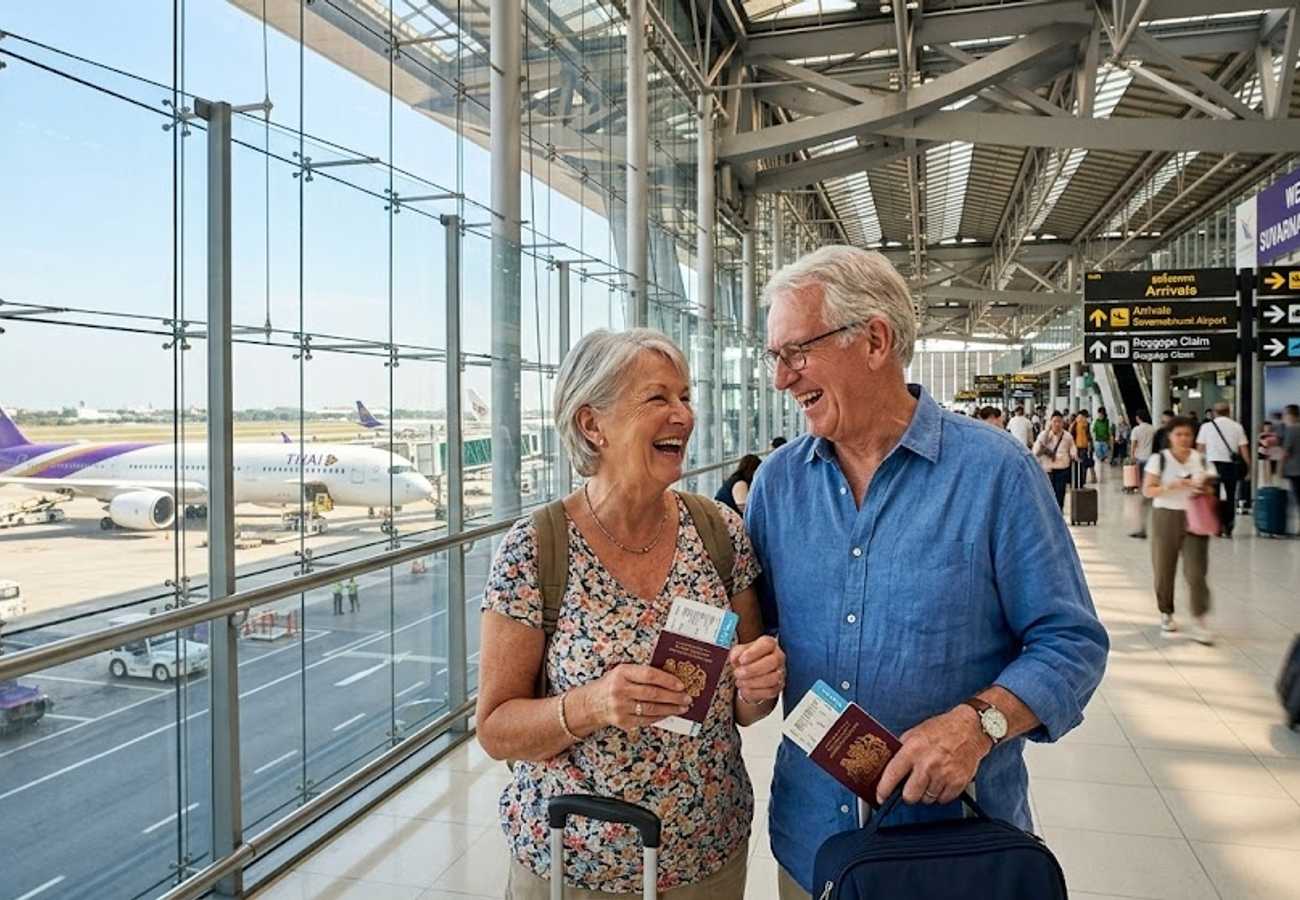
Image generated by AI
I've watched Southeast Asia's visa landscape transform dramatically over the past three years. What used to require weeks of embassy visits and stacks of paperwork now happens in minutes through your browser. Thailand, Singapore, and Malaysia aren't just opening borders—they're reengineering them around digital infrastructure and real-time processing.
The structural shift is measurable. According to UN Tourism data, ASEAN's visa openness rate jumped from 67% in 2008 to approximately 96% today. This isn't accidental. These governments recognized that visa friction directly suppresses tourism revenue. Research from the World Travel & Tourism Council estimates that improved visa facilitation could generate hundreds of billions in additional economic value globally by 2035.
When I crossed into Thailand last month via Bangkok's Suvarnabhumi Airport, I breezed through immigration in eight minutes. Two years ago, the same process took 45 minutes. The difference? Thailand's newly integrated biometric screening system paired with pre-arrival e-visa approval. No more paper forms. No embassy queues.
How Southeast Asia Actually Competes Now
Thailand, Singapore, and Malaysia have stopped competing on visa generosity alone. Instead, they're deploying "smart borders"—integrated systems combining digital identity verification, AI-powered pre-screening, and real-time data sharing between immigration agencies. Singapore's entry process is so streamlined that US passport holders can enter with a 90-day visa exemption, while Malaysia's e-Arrival Card system (available at www.imigresen.gov.my) processes applications in under 24 hours.
Vietnam has gone even further. I filed a 90-day e-visa from my laptop in Chiang Mai—approved in two hours for around $25. Vietnam now issues multiple-entry visas valid for five years to designated categories: remote workers, investors, and cultural professionals. This is deliberate positioning.
The real innovation isn't visa-free entry. It's tiered visas for economic contribution. Thailand's now-famous Digital Nomad Long-Term Resident (DLR) visa requires proof of approximately $80,000 annual income but grants four-year residency. Singapore markets the Tech.Pass program for high-earning tech workers. Malaysia's DE Rantau program targets skilled professionals. Each is calibrated to attract longer-stay, higher-spending visitors.
"Skip the tourist visa rush in Bangkok; most digital nomads I know just do back-to-back education visas at Chiang Mai universities (30-day extensions, $50 per extension). The system incentivizes you to stay put rather than visa run." — r/digitalnomad, user with 18 months Thailand experience
The Border Tech Behind the Scenes
What I didn't see at immigration—but what made my entry seamless—was the backend infrastructure. Thailand's integrated immigration database talks to Malaysia's and Singapore's systems. They share data on overstays, fraud, and pre-clearance status. You apply for a Thailand e-visa while sitting in Kuala Lumpur, and the system already cross-references your Malaysian entry and exit stamps.
Biometric collection happens at departure, not arrival. When I left Bangkok for Singapore, the airport had already transmitted my exit data to Singapore's border system. By the time my flight landed, my face was already registered. I walked through a biometric gate—face scan, no human interaction—and cleared immigration in four minutes.
This matters for accessibility. The digital-first approach removes language barriers. You fill forms in English on your phone. You upload documents as PDFs. You receive approvals via email and QR codes you present at immigration. I watched a 68-year-old Australian woman clear Kuala Lumpur International Airport using only her phone and passport—no paper, no assistance needed.
Who Benefits Most in 2026
Remote workers and digital nomads are the primary targets, but governments are also chasing investors, long-stay retirees, and skilled professionals. Thailand's approach is explicitly financial: earn over $40,000 annually, get a four-year DLR visa. Malaysia's DE Rantau program requires just proof of employment income; it's less restrictive.
Singapore remains the restrictive gatekeeper—it processes applications for work permits rather than tourist visas—but it's designed that way. Singapore competes on professional opportunity, not ease of entry.
The visa category expansion reflects a hard economic calculation. One remote worker staying 18 months spends more than 30 tourists staying a week. Governments measure visa success not by volume but by economic impact per visitor. Vietnam's five-year entrepreneur visa costs $250 but attracts people who'll rent long-term apartments and hire local staff.
Practical Visitor Guide
Best Times to Visit: July–August sees the highest humidity and lowest flight prices across Southeast Asia. October–March offers optimal weather. I recommend traveling September–October if you can; prices drop 20–30% and crowds thin out once summer tourism peaks.
Entry Routes by Status:
- Tourist: 60-day exemptions (Thailand, Malaysia); 30-day exemptions (Singapore with valid passport). E-visas extend most countries to 90 days for ~$20–$25.
- Remote Worker: Aim for 90-day tourist visas + quarterly border runs, or apply directly for Thailand's DLR visa (requires proof of $80,000 annual income; processing takes 2–3 weeks).
- Digital Nomad: Thailand DLR visa is the standard route. Malaysia's DE Rantau is simpler (fewer income requirements). Vietnam's entrepreneur visa is cheapest but requires legitimate business documentation.
Safety & Registration: Thailand, Malaysia, and Singapore have low violent crime rates. Register with your embassy before arrival (US citizens: travel.state.gov; UK: gov.uk/foreign-travel-advice). Petty theft in tourist areas is real—keep valuables in hotel safes.
Budget Breakdown (USD/day, 2026 estimates):
- Bangkok, Kuala Lumpur, Singapore: $40–$80 (street food $2–$5, midrange hotels $20–$40)
- Secondary Cities (Chiang Mai, Georgetown, Ho Chi Minh City): $15–$40 (street food $1–$3, budget hotels $8–$20)
- Visa costs: $0–$250 depending on category (tourist visas free or ~$25; DLR/professional visas $100–$250)
Local Safety Notes: Political stability varies. Thailand had unrest in 2021–2022, but tourism has normalized. Malaysia and Singapore are stable year-round. Avoid protest areas (ask hotel staff where these are). Tap water is safe in Bangkok, Kuala Lumpur, and Singapore; drink bottled water elsewhere.
Must-Download Apps: Thailand Immigration's "TM.30 Online" for residence reporting. Malaysia's "eArrival" system. Vietnam's "My Immigration" app. Singapore's "ICA" app. All are government-official and free.
Visa Run Strategy: If on a 60-day tourist exemption, fly to Penang (Malaysia) or Laos for a weekend trip around day 50. Costs $50–$150. Re-entry is automatic via visa run; Thai immigration expects this. Never overstay; penalties are $10/day capped at $300, plus deportation bans.
Southeast Asia's visa revolution isn't about open borders—it's about algorithmic borders that favor your economic profile over your passport color.
Related Travel Guides
Disclaimer
This article is for informational and educational purposes only. It does not constitute legal, financial, or professional advice. While we strive to provide accurate and up-to-date information, travel policies, regulations, and conditions change rapidly. Always verify information with official sources before making travel decisions. Nomad Lawyer makes no representations about the accuracy, reliability, completeness, or suitability of the information provided. Readers should consult qualified professionals for advice specific to their circumstances. The views expressed in this article are those of the author and do not necessarily reflect the views of Nomad Lawyer.
Raushan Kumar
Founder & Lead Developer
Full-stack developer with 11+ years of experience and a passionate traveller. Raushan built Nomad Lawyer from the ground up with a vision to create the best travel and law experience on the web.
Learn more about our team →