
Thailand Aligns With Scotland And More As February Travel Calls For Smarter Packing
Thailand Aligns With Scotland And More As February Travel Calls For Smarter Packing

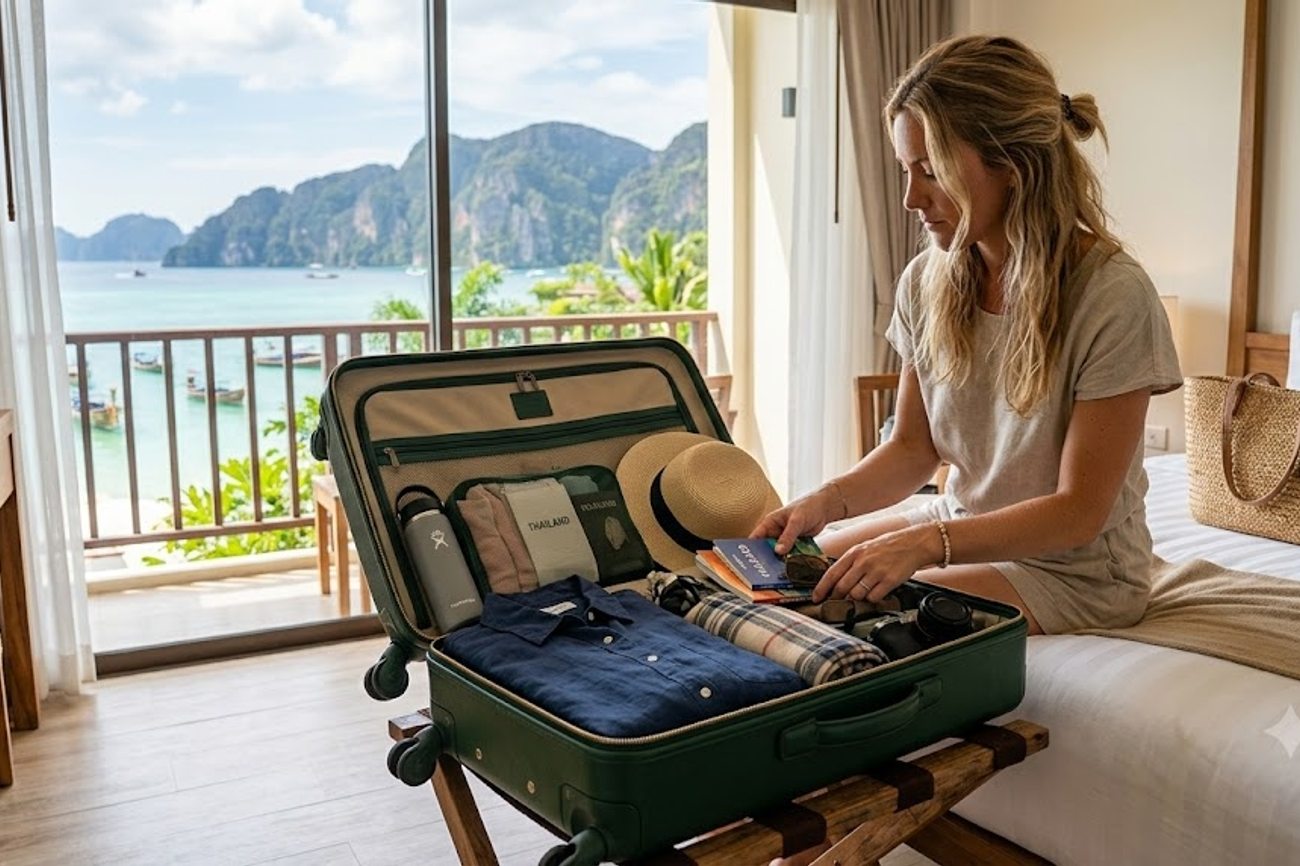
Image generated by AI
Are you planning a winter escape from the frost of Edinburgh, Glasgow, or Aberdeen to the tropical heat of Southeast Asia? Transitioning from a Scottish winter to Thailand's February climate requires more than just a change of clothes; it requires a strategic shift in your logistics and packing philosophy to handle a temperature jump of nearly 25°C.
The February Climate Shift
For travelers departing the UK in February, the environmental contrast is extreme. While Scotland remains locked in winter, Thailand typically sees daytime temperatures ranging from 28°C to 32°C. This is not merely a matter of warmth; the humidity levels in Thailand are significantly higher than anything experienced in the UK, which fundamentally changes how your body regulates temperature and how your clothing performs.
The logistical challenge for the traveler is managing the "transit gap"—the period between leaving a cold Scottish terminal and arriving in a tropical hub. Many travelers make the mistake of wearing their heaviest winter gear on the flight, only to find themselves burdened with bulky items that serve no purpose upon arrival. The goal is to utilize a layering system that can be shed quickly during the journey and stored efficiently upon landing.
Regional Climate and Gear Requirements
Thailand is not a monolith; your gear must adapt to the specific geography of your itinerary. The requirements for a Bangkok city break differ wildly from a trek in the northern highlands or a stay on the southern islands.
| Region | Primary Climate | Key Gear Requirement | Activity Focus | Status |
|---|---|---|---|---|
| Bangkok | Tropical/Humid (28°C-32°C) | Breathable linens & walking shoes | Urban exploration & Temples | Active |
| Northern Highlands | Mild/Cooler Mornings | Light jacket or thin jumper | Hiking & Mountain villages | Active |
| Southern Islands | Hot/Humid | Quick-dry fabrics & Dry bags | Beach & Marine activities | Active |
| Transit Hubs | Heavily Air-Conditioned | Packable cardigan or overshirt | Airport/Mall navigation | Active |
Traveler Logistics Guide
To navigate this transition successfully, follow these step-by-step logistics for your packing and transit process.
1. The Transit Layering Strategy
Do not wear your heaviest coat onto the plane. Instead, wear a lightweight base layer and a packable jacket. Use the "airport layer" technique: wear a light jumper or cardigan during the flight and while navigating terminals. This is essential because Thai airports and shopping centers use aggressive air conditioning that can feel freezing immediately after stepping in from 32°C heat.
2. Temple Access Logistics
Thai cultural sites have strict dress codes. To avoid being denied entry to sacred spaces, you must ensure shoulders and knees are covered.
- The Sarong Solution: Carry a lightweight sarong or a large scarf in your day bag. This allows you to wear shorts or sleeveless tops during the heat of the day but provides instant, respectful coverage when entering a temple.
- Footwear Efficiency: You will be removing your shoes frequently at temples, spas, and guesthouses. Avoid boots or complex lacing systems. Opt for slip-on sandals or lightweight trainers.
3. Health and Environmental Protection
The jump from Scottish overcast skies to tropical sun is jarring. Your skin will be more susceptible to burning.
- Sun Shielding: Pack SPF 50+ sunscreen, high-quality sunglasses, and a wide-brimmed hat.
- Medical Kit: Include rehydration sachets to combat humidity-induced dehydration and mosquito repellent for evening excursions.
- Digital Logistics: Ensure you have your travel documents and visas organized. For those utilizing modern transit systems, check the latest requirements on the Tourism Authority of Thailand official portal.
4. Luggage Optimization
Avoid heavy denim and thick hoodies. These fabrics trap heat and take days to dry in humid conditions.
- Fabric Choice: Prioritize linen and lightweight cotton.
- Technical Gear: If your itinerary includes hiking or golf, use moisture-wicking synthetic fabrics.
- Island Essentials: For beach destinations, pack two swimsuits (to allow one to dry while using the other), a waterproof phone pouch, and a dry bag for boat trips.
Regional Connectivity Impact
The timing of a February trip aligns with one of the most favorable weather windows for traversing the country. Because the weather is generally stable across the mainland and islands, travelers have greater flexibility to book multi-city itineraries.
For those coordinating ground transport, using official platforms like Grab for urban transit in Bangkok or checking regional flight connections via Thai Airways is recommended to avoid the logistical friction of unmetered transport. The ability to move seamlessly from the urban heat of Bangkok to the cooler elevations of the North requires a suitcase that is modular—meaning you can easily separate your "city gear" from your "mountain gear" using packing cubes.
This seasonal window also means higher passenger volumes. To optimize your transit, prioritize digital check-ins and arrive at airports early, as the influx of winter escapees from Europe and North America can lead to longer processing times at immigration and baggage claim.
FAQ: Thailand Transit 2025
Do I need a transit visa for Thailand? Visa requirements depend on your nationality and length of stay. Most UK citizens receive a visa exemption for tourism. Always verify current entry requirements via the official Thai Embassy or the Thai E-Visa portal before departure.
How should I handle the temperature jump from Scotland? Use a layering system. Wear your heaviest items on the plane and switch to breathable linen or cotton immediately upon arrival. Keep a light cardigan available for heavily air-conditioned indoor spaces like malls and airports.
Can I wear trainers to Thai temples? Yes, but they must be easy to remove. You will be required to leave your shoes outside the temple buildings. Slip-on trainers or sandals are the most efficient choice for frequent entries and exits.
What is the best way to protect electronics in the humidity? Use a dedicated dry bag or waterproof pouches, especially when traveling to the southern islands or during boat excursions. This prevents moisture ingress and protects your devices from sudden tropical rain showers.
Pack for the destination, not the departure, to ensure your winter escape remains a vacation rather than a logistical struggle.
#ThailandTravel2025 #BangkokLogistics #ScottishTravelers #ThaiTempleDressCode #TropicalPackingGuide
Related Travel Guides
Disclaimer
This article is for informational and educational purposes only. It does not constitute legal, financial, or professional advice. While we strive to provide accurate and up-to-date information, travel policies, regulations, and conditions change rapidly. Always verify information with official sources before making travel decisions. Nomad Lawyer makes no representations about the accuracy, reliability, completeness, or suitability of the information provided. Readers should consult qualified professionals for advice specific to their circumstances. The views expressed in this article are those of the author and do not necessarily reflect the views of Nomad Lawyer.
Raushan Kumar
Founder & Lead Developer
Full-stack developer with 11+ years of experience and a passionate traveller. Raushan built Nomad Lawyer from the ground up with a vision to create the best travel and law experience on the web.
Learn more about our team →