
Tenerife Imposes Strict Beach Regulations With Fines Up to €3,000 for Tourists in 2026
Tenerife's San Cristóbal de La Laguna municipality has implemented aggressive new coastal laws targeting smoking, camping, and noise, with violators facing penalties up to €3,000.

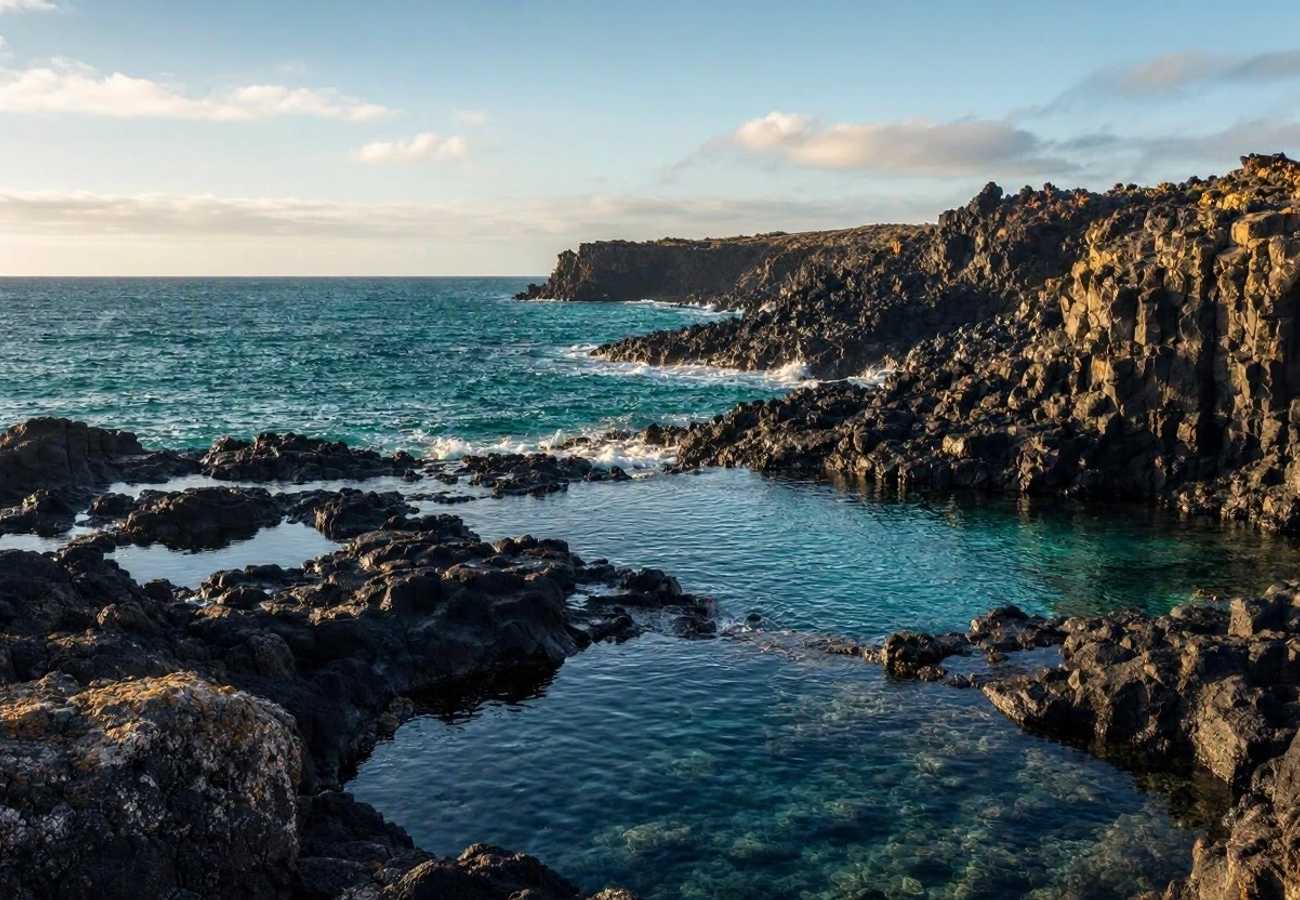
Image generated by AI
[San Cristóbal de La Laguna, October 16, 2026] — Authorities in northern Tenerife have enacted a stringent new set of coastal regulations that penalize prohibited beach activities with fines reaching as high as €3,000. The measures, approved by the San Cristóbal de La Laguna City Council on October 7, 2026, target specific behaviors that threaten the island's ecological stability and disrupt the quality of life for residents and visitors.
The crackdown focuses on the northern coastline, specifically targeting high-traffic zones including Bajamar and La Barranquera. The municipal government is moving to eliminate cigarette litter, unauthorized overnight stays, and noise pollution in an effort to maintain the natural integrity of the region's beaches and natural swimming pools.
Environmental Triggers for New Mandates
The decision to implement these penalties stems from increasing recreational pressure on the northern coast. Local officials identified a rise in environmental degradation caused by tourist activities, specifically the accumulation of non-biodegradable waste and the chemical contamination of coastal waters.
Under the new framework, the San Cristóbal de La Laguna City Council is prioritizing a "zero-waste" ambition. This local effort aligns with broader initiatives across Tenerife's 31 municipalities to protect marine biodiversity and ensure the long-term viability of the island's tourism economy.
Prohibited Activities and Penalty Scale
The new laws categorize offenses by severity, with financial penalties scaled to the impact of the violation.
Coastal Violation Penalty Matrix
| Prohibited Activity | Specific Restriction | Potential Fine |
|---|---|---|
| Smoking | Total ban on beaches and natural swimming pools | €300 - €3,000 |
| Camping | Unauthorized overnight stays in protected areas | €300 - €3,000 |
| Noise Pollution | Use of loud speakers or disruptive sound equipment | €300 - €3,000 |
| Chemical Use | Use of soap or shampoo in public showers/bathing areas | €300 - €3,000 |
| Waste Disposal | Littering or improper disposal of refuse | €300 - €3,000 |
What This Means for Travelers
For the average tourist, these rules represent a significant shift in expected beach etiquette. The most immediate impact is the "smoke-free" designation of all public bathing areas. Travelers who typically smoke on the sand now face immediate fines if caught.
Furthermore, the ban on personal cleaning products in public showers is a critical detail. These facilities are now strictly for rinsing salt and sand; the use of shower gels or shampoos is prohibited to prevent chemical runoff into the European Union's protected marine habitats.
Passenger and Visitor Impact Summary:
- No-Smoking Zones: You cannot smoke on any beach or in natural pools within the municipality.
- Hygiene Restrictions: Leave your shampoo and soap in the hotel. Public showers are for water-only rinsing.
- Noise Control: Portable Bluetooth speakers used at high volumes are now subject to police intervention.
- Accommodation: Wild camping is strictly forbidden. All overnight stays must occur in licensed camping facilities.
Accessibility and Future Infrastructure
While the regulations are restrictive, the municipality is simultaneously investing in inclusivity. The city council is currently removing physical barriers at coastal sites to improve access for individuals with reduced mobility. This includes the deployment of adapted beach wheelchairs and the modernization of toilet facilities to meet accessibility standards.
These improvements aim to balance the strict environmental protections with a commitment to making the northern coast available to all visitors, regardless of physical ability.
FAQ: Tenerife Beach Rules 2026
Can I still use a portable speaker on the beach? Yes, but only at a volume that does not disturb others. "Excessive noise" is the trigger for a fine. If a police officer or municipal agent deems your music disruptive, you may be penalized.
Are these rules active on all beaches in Tenerife? No. These specific fines and regulations are currently mandated by the San Cristóbal de La Laguna municipality, affecting the northern coastline including Bajamar and La Barranquera. However, other municipalities may adopt similar rules.
What happens if I am caught smoking or camping? Depending on the severity and whether it is a repeat offense, you will be issued a fine. Minor infractions start around €300, while serious or recurring violations can reach €3,000.
Can I use biodegradable soap in the public showers? The regulation prohibits the use of soap and shampoo generally to protect water quality. To avoid any risk of a fine, it is recommended to use only water in public coastal showers.
Strict adherence to local ordinances is now the only way to ensure a fine-free holiday in northern Tenerife.
Related Travel Guides
Disclaimer
This article is for informational and educational purposes only. It does not constitute legal, financial, or professional advice. While we strive to provide accurate and up-to-date information, travel policies, regulations, and conditions change rapidly. Always verify information with official sources before making travel decisions. Nomad Lawyer makes no representations about the accuracy, reliability, completeness, or suitability of the information provided. Readers should consult qualified professionals for advice specific to their circumstances. The views expressed in this article are those of the author and do not necessarily reflect the views of Nomad Lawyer.
Naina Thakur
Contributor & Travel Specialist
Travel enthusiast and legal writer covering visa regulations, responsible tourism, and cultural journeys across global destinations.
Learn more about our team →