
Spain October 2026 Bank Holiday Traffic Guide: Managing 5.76 Million Road Journeys
Navigate Spain's October 2026 bank holiday surge with this logistics guide covering the 5.76 million projected road journeys, peak congestion windows, and DGT traffic management measures.

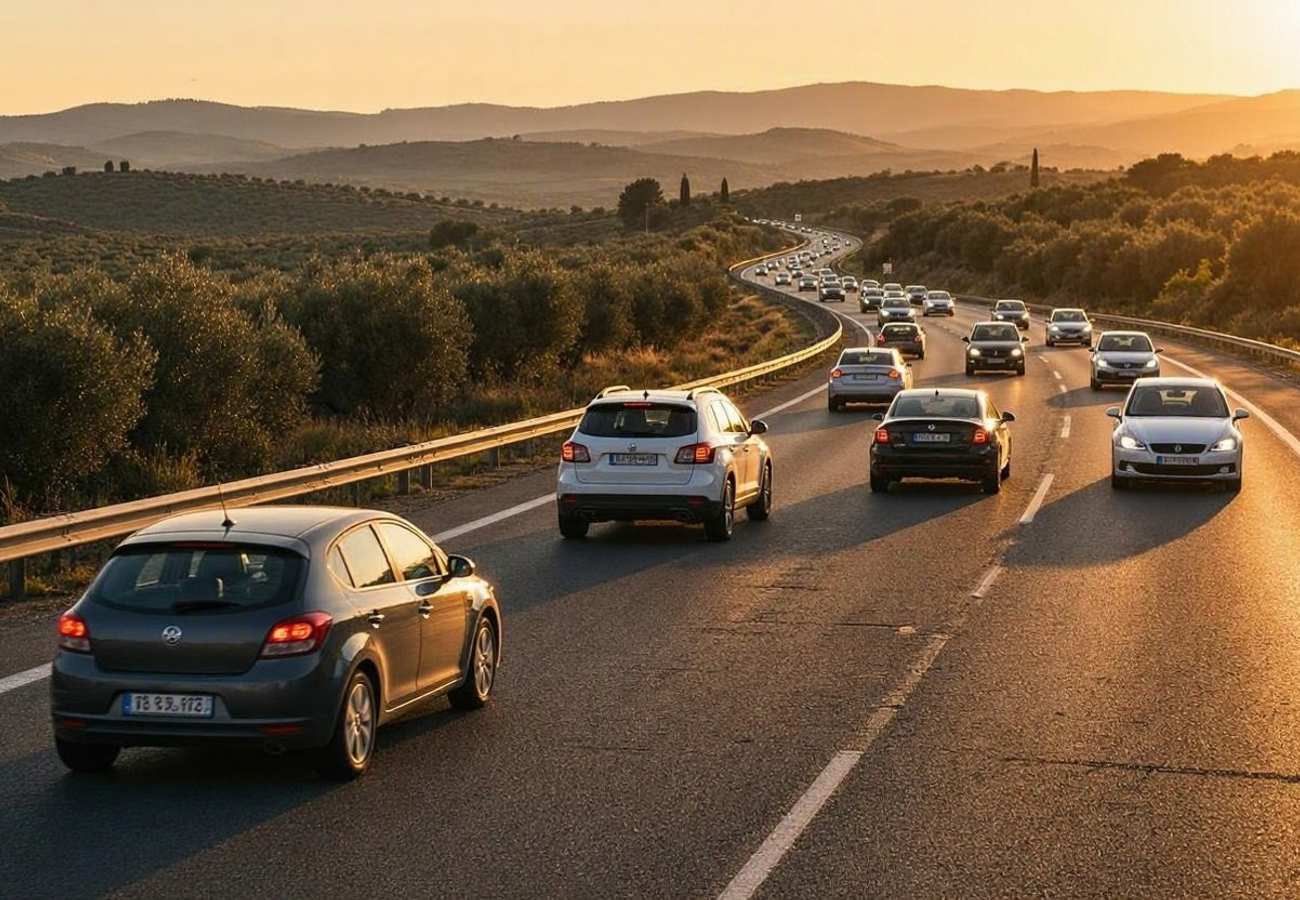
Image generated by AI
Are you planning to drive through Spain during the October bank holiday weekend? With 5.76 million long-distance road journeys projected, your transit times could increase significantly if you don't time your departures correctly.
The October 2026 Traffic Surge
Spain is preparing for a massive spike in road activity between October 9 and October 12, 2026. The Directorate-General for Traffic (DGT) expects a total of 5,760,000 long-distance movements, averaging 1,440,000 journeys per day. This surge is driven by a combination of the National Day holiday on Monday, October 12, and regional festivities, specifically the Pilar festival in Zaragoza.
For travelers, this means heavy congestion on primary arteries connecting urban hubs to coastal resorts, mountain retreats, and rural second homes. The Directorate-General for Traffic (DGT) has launched a specialized operation to maintain flow, but the sheer volume of vehicles makes delays likely.
Route and Schedule Details
To avoid the worst of the gridlock, you must align your travel with the DGT's projected peak intensity windows.
| Date | Peak Traffic Window | Primary Movement Trend | Expected Congestion Level |
|---|---|---|---|
| Friday, Oct 9 | 16:00 – 22:00 | Urban centers $\rightarrow$ Holiday destinations | Very High |
| Saturday, Oct 10 | 09:00 – 13:00 | City centers $\rightarrow$ Coast/Mountains | High |
| Sunday, Oct 11 | No specific peak | Localized leisure trips | Moderate |
| Monday, Oct 12 | 16:00 – 23:00 | Holiday areas $\rightarrow$ Urban centers | Very High |
Traveler Logistics Guide
If you are renting a car or driving a private vehicle, follow these step-by-step logistics to minimize delays.
1. Timing Your Departure Avoid the "danger zones" listed in the table above. If you must travel on Friday or Monday, aim to be on the road before 15:00 or after 23:00. Saturday morning is particularly volatile for those heading toward the Mediterranean coast or the Pyrenees.
2. Regional Alerts
- Zaragoza: Expect extreme congestion due to the Pilar festival. If Zaragoza is not your destination, seek alternative routes to bypass the city center.
- Valencian Community: Because Friday, October 9, is a regional public holiday, traffic leaving this area will start earlier than in other provinces.
3. Monitoring Road Conditions Do not rely solely on static maps. Use real-time telemetry. The Guardia Civil and DGT will be deploying drones, helicopters, and monitoring personnel to manage bottlenecks. Check live updates via official Spanish transit apps to identify where reversible lanes have been implemented.
4. Understanding Vehicle Restrictions While ordinary passenger cars face no general ban, other vehicle types are restricted to clear the way for tourists:
- Heavy Goods Vehicles (HGVs): Subject to specific circulation limits.
- Dangerous Goods: Restricted on designated routes and times.
- Special Transport: Oversized loads are limited during these peak windows.
5. Infrastructure Changes Be alert for "reversible lanes" (where a lane's direction is flipped to accommodate the heaviest flow). Follow the signals of the traffic officers on site, as these changes happen dynamically based on real-time volume.
Regional Connectivity Impact
The overlap of the National Day and the Pilar festival creates a unique logistics challenge. Usually, National Day traffic is distributed across the country, but the concentration of events in Zaragoza and the extended break in the Valencian Community creates "pressure points" on the motorway network.
This surge effectively narrows the window for efficient ground transport. Travelers moving between Madrid, Valencia, and Zaragoza should expect a significant reduction in average speed. For those utilizing rental cars, ensure your fuel levels are topped up before hitting the main highways, as service stations at key junctions are likely to experience long queues.
FAQ: Spain Road Transit October 2026
Do I need a special permit to drive during the bank holiday? No. Ordinary passenger vehicles can travel freely. Restrictions apply only to heavy goods vehicles, special transport, and vehicles carrying dangerous materials.
How long should I add to my estimated travel time? While the DGT does not provide exact delay minutes, travelers during the Friday evening and Monday evening peaks should budget an additional 2 to 4 hours for long-distance journeys.
Are roadworks still active during this period? No. The DGT has ordered the suspension of roadworks that would interfere with traffic flow to preserve maximum road capacity for the holiday surge.
Will public transport be affected by the road traffic? Yes. Buses and regional coaches share the motorway network and will be subject to the same delays as private vehicles. Consider using Renfe for intercity travel to bypass road congestion.
Plan your route around the peaks, or prepare for a very long weekend on the motorway.
Related Travel Guides
Disclaimer
This article is for informational and educational purposes only. It does not constitute legal, financial, or professional advice. While we strive to provide accurate and up-to-date information, travel policies, regulations, and conditions change rapidly. Always verify information with official sources before making travel decisions. Nomad Lawyer makes no representations about the accuracy, reliability, completeness, or suitability of the information provided. Readers should consult qualified professionals for advice specific to their circumstances. The views expressed in this article are those of the author and do not necessarily reflect the views of Nomad Lawyer.
Naina Thakur
Contributor & Travel Specialist
Travel enthusiast and legal writer covering visa regulations, responsible tourism, and cultural journeys across global destinations.
Learn more about our team →