
European Culinary Heritage Guide 2026: Navigating Traditional Feasts in France, Georgia, and Spain
Discover the logistics of attending authentic European culinary feasts, from Georgia's sacred supra to France's UNESCO-recognized gastronomic meals, with practical advice on regional festivals and cultural etiquette.

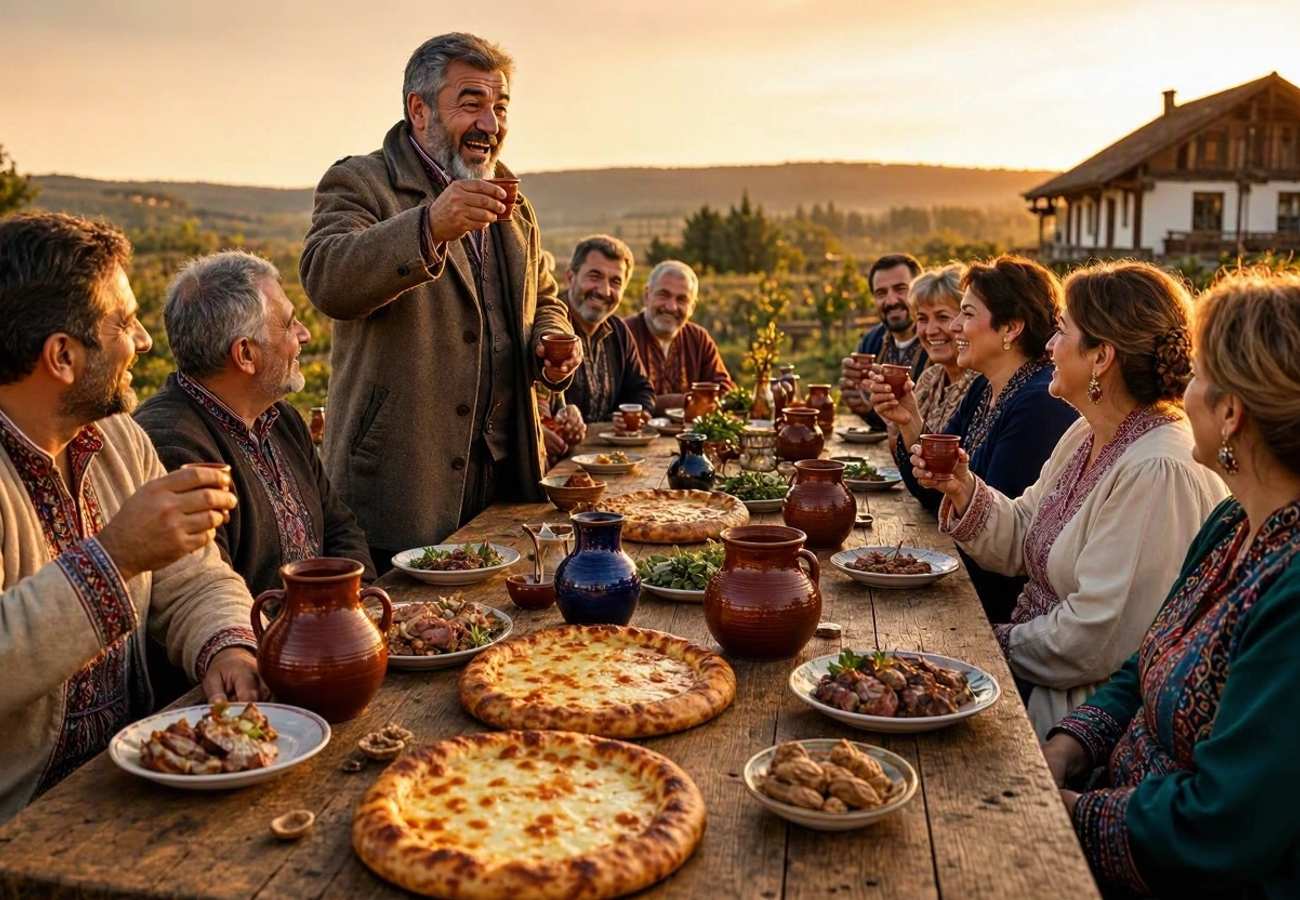
Image generated by AI
Are you planning a trip to Europe to experience its authentic culinary heritage beyond the standard tourist restaurants? Understanding the logistics of communal feasts—from the rigid structure of a French dinner to the poetic leadership of a Georgian supra—requires more than just a reservation; it requires an understanding of social ritual and regional timing.
The Evolution of European Communal Dining
Across the continent, traditional feasts are transitioning from private family affairs to structured cultural experiences for the global traveler. In Georgia, the "supra" serves as a sacred ritual of hospitality, while France treats the "gastronomic meal" as a social practice so significant it earned a place on the UNESCO Intangible Cultural Heritage list in 2010.
These gatherings are not merely about consumption; they are logistical exercises in community bonding. For the traveler, these events provide a window into regional identities that are often invisible in major city centers. Whether it is the specific sequence of courses in a French meal or the role of the tamada (toastmaster) in Georgia, these traditions dictate the pace and flow of the evening.
Regional Feast Characteristics and Logistics
To help you plan your itinerary, the following table outlines the primary culinary traditions and their operational structures.
| Country | Primary Tradition | Key Logistic/Role | Primary Focus | Status |
|---|---|---|---|---|
| Georgia | The Supra | Tamada (Toastmaster) | Poetic toasts & solidarity | Active/Traditional |
| France | Gastronomic Meal | Course Sequence | Ingredient pairing & social ritual | UNESCO Protected |
| Spain | Gastronomic Festivals | Local Producers | Regional produce & public spaces | Seasonal/Event-based |
| Italy | Regional Cooking | Family Lineage | Local agricultural resources | Active/Regional |
Traveler Logistics Guide
Attending these feasts requires a different approach than booking a standard hotel or flight. Here is how to actually integrate these experiences into your travel plans.
Booking and Access
For France and Italy, the most authentic experiences are found in regional "agriturismos" or family-run bistros. Avoid the primary tourist squares. In Spain, your logistics should revolve around the Spain Official Tourism calendar. Many of the most significant feasts, such as the Feira do Cocido in Lalín (Galicia), are date-specific. If you miss the window, the experience is unavailable.
The Georgian Supra Protocol
If invited to a supra, understand that you are entering a structured event. The tamada controls the flow. Do not propose a toast without the toastmaster's permission. Expect a heavy spread of khachapuri (cheese bread) and khinkali (dumplings). Because these events often last several hours and involve significant wine consumption, arrange for local transport or a designated driver in advance.
French Gastronomic Timing
A traditional French meal is a marathon, not a sprint. The sequence typically follows:
- Apéritif (Pre-dinner drink)
- Starter (Entrée)
- Main Course (Fish or meat with vegetables)
- Cheese Course
- Dessert
- Digestif (Post-dinner drink)
Plan your evening with at least 3 to 4 hours of availability. If you are using digital check-in for your accommodation, ensure you have a late-entry arrangement, as these meals often conclude well past 10:00 PM.
Visa and Entry Considerations
While most of these countries are within the Schengen Area, Georgia operates under different visa regimes. Check the latest requirements via the Ministry of Foreign Affairs of Georgia to ensure your transit is seamless before attempting to join a regional feast in the Caucasus.
Regional Connectivity Impact
The shift toward culinary tourism is reshaping how travelers move through Europe. Instead of the "Capital City Hop" (Paris-Madrid-Rome), there is an increasing trend toward "Food-Axis Routing." Travelers are now prioritizing secondary cities like Lalín in Spain or the wine regions of Georgia.
This shift puts more pressure on regional ground transport. In Spain, renting a car is often the only way to reach the specific villages hosting harvest festivals. In France, the TGV network connects major hubs, but reaching the "gastronomic heartlands" often requires local bus connections or regional trains. For those coordinating complex multi-city trips, using a digital travel organizer can prevent the "travel chaos" often associated with regional European transit.
FAQ: European Culinary Feasts 2026
Do I need a special permit to attend regional food festivals in Spain? No, most gastronomic festivals like the Feira do Cocido are public events. However, specific tasting events or winery tours within the festival may require advance tickets.
How long does a traditional Georgian supra typically last? A supra can last anywhere from a few hours to an entire day. It is a social ritual, not a timed meal, so clear your schedule for the entire evening.
Is the French gastronomic meal the same in every city? No. While the structure (apéritif to digestif) is consistent, the recipes and ingredients vary wildly by region, from the butter-heavy dishes of Normandy to the Mediterranean flavors of Provence.
Can I book a "supra" experience as a tourist? Yes, many guesthouses in the Kakheti wine region offer authentic supra experiences for visitors, though the most meaningful ones are usually via local invitations.
Eat slowly, toast loudly, and always follow the toastmaster.
Related Travel Guides
Disclaimer
This article is for informational and educational purposes only. It does not constitute legal, financial, or professional advice. While we strive to provide accurate and up-to-date information, travel policies, regulations, and conditions change rapidly. Always verify information with official sources before making travel decisions. Nomad Lawyer makes no representations about the accuracy, reliability, completeness, or suitability of the information provided. Readers should consult qualified professionals for advice specific to their circumstances. The views expressed in this article are those of the author and do not necessarily reflect the views of Nomad Lawyer.
Kunal K Choudhary
Co-Founder & Contributor
A passionate traveller and tech enthusiast. Kunal contributes to the vision and growth of Nomad Lawyer, bringing fresh perspectives and driving the community forward.
Learn more about our team →