
Indian Railways Mandatory Travel Insurance for Counter Tickets Effective October 27 2026
Starting October 27, all Indian Railways tickets purchased at physical counters must include mandatory travel insurance following a Supreme Court mandate to protect offline passengers.

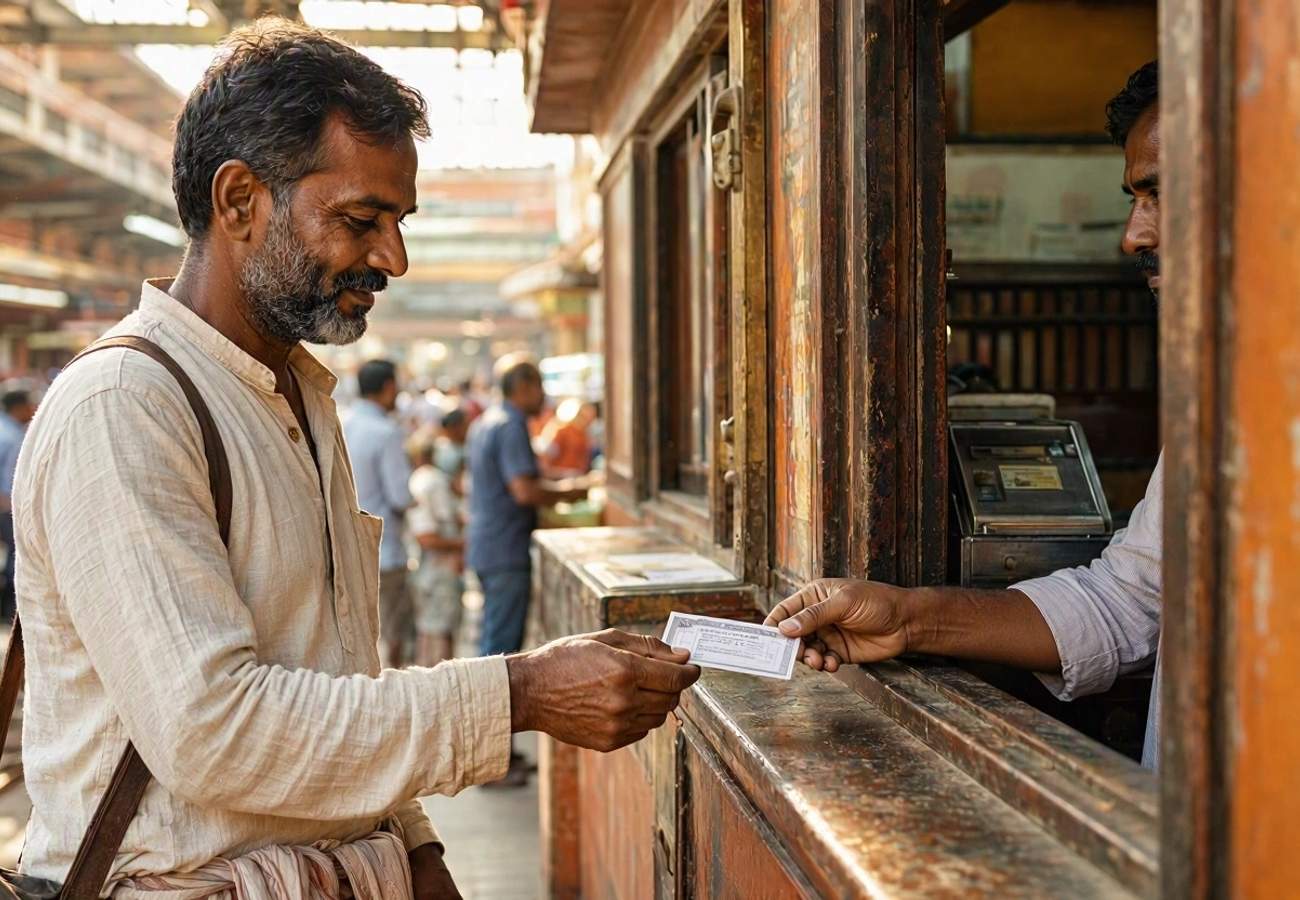
Image generated by AI
A daily commuter purchasing a reserved ticket at a station window in New Delhi will now find a critical safety net automatically attached to their journey starting October 27. For years, this passenger lived in a systemic blind spot, lacking the insurance protections that were previously only available to those with the digital literacy and means to book via online portals.
Mandatory Insurance Integration for Offline Ticketing
Following a decisive intervention by the Supreme Court of India, the Ministry of Railways is required to implement mandatory travel insurance for every ticket issued at physical reservation counters. The judicial order, delivered by a bench consisting of Justice R. Mahadevan and Justice Ahsanuddhin Amanullah, aims to eliminate the safety disparity between digital and physical booking methods.
The court's decision stems from a history of administrative inaction. While online passengers could opt into insurance for a small fee, millions of rural and economically disadvantaged travelers who rely on station counters remained entirely uncovered. Despite previous warnings and available budgets for safety measures, the court found that the Railway Board had failed to translate official promises into operational reality. Consequently, the judiciary has now imposed a hard deadline of October 27 to ensure that financial protection is democratized across all socioeconomic tiers.
Passenger Protection Comparison: Online vs. Counter
The following table outlines the shift from the previous fragmented system to the new unified mandate.
| Feature | Previous Policy (Online) | Previous Policy (Counter) | New Policy (Effective Oct 27) |
|---|---|---|---|
| Insurance Availability | Optional / Opt-in | Not Available | Mandatory / Integrated |
| Access Method | Digital Platforms | Physical Windows | All Ticketing Channels |
| Coverage Basis | Nominal Additional Fee | None | Built into Ticket Structure |
| Legal Standing | Administrative Option | Systemic Gap | Supreme Court Mandate |
| Primary Beneficiaries | Tech-savvy / Urban users | Unprotected / Rural users | All Passengers |
Your Rights as a Passenger
Under this new framework, the "right to safety" is expanded from a mere operational goal to a financial guarantee. If you are traveling on a ticket issued at a physical counter after the October 27 deadline, you are entitled to the same financial security as an online booker.
Key Protections Include:
- Accidental Coverage: Financial compensation in the event of unforeseen train mishaps or accidents during transit.
- Injury Indemnity: Coverage for accidental injuries sustained during the journey.
- Non-Discriminatory Access: The removal of "privilege-based" safety, ensuring that the lack of a smartphone or internet access does not result in a lack of insurance.
To ensure these rights are enforceable, passengers should verify that their tickets contain policy references. For those seeking more information on general passenger protections in India, the Ministry of Railways provides official guidelines on passenger amenities and safety. For broader consumer protection queries, travelers can refer to the Department of Consumer Affairs.
Claim Strategy and Practical Steps
Securing the insurance is automatic, but claiming the benefits requires a proactive approach. Passengers should not assume the process is effortless.
Actionable Steps for Travelers:
- Document Verification: Immediately upon receiving a counter ticket, check for the insurance policy reference number and the integrated premium details.
- Nominee Designation: Ensure that nominee details are correctly recorded. In the event of a fatality, the insurance provider requires clear beneficiary information to release funds.
- Incident Reporting: In the case of an accident, immediately file a First Information Report (FIR) or a railway accident report. Insurance underwriters will not process claims without official documentation of the event.
- Digital Tracking: Use tools like FlightAware or similar transit tracking logs if you need to prove the timing and location of a disruption for a claim.
FAQ: Railway Insurance Mandate 2026
Do I need to pay extra for this insurance at the counter? The insurance is integrated into the ticketing structure. While a nominal fee may be reflected in the total cost, it is no longer an optional "add-on" but a mandatory part of the ticket purchase.
What happens if I bought my ticket before October 27? The mandate applies to tickets issued from October 27 onwards. Tickets purchased before this date remain under the previous policy and may not include mandatory coverage unless previously opted into via digital channels.
How do I file a claim for a counter-ticket accident? Claims must be initiated through the designated grievance redressal helplines and the partnered insurance underwriters. You will need your ticket, a government ID, and an official accident report from the railway authorities.
Can I opt-out of this insurance to save money? No. The Supreme Court has mandated this as a non-negotiable legal requirement to ensure universal passenger protection, meaning it cannot be waived at the point of purchase.
The era of safety as a luxury add-on ends on October 27, turning passenger protection into a fundamental right for every traveler in India.
Related Travel Guides
Disclaimer
This article is for informational and educational purposes only. It does not constitute legal, financial, or professional advice. While we strive to provide accurate and up-to-date information, travel policies, regulations, and conditions change rapidly. Always verify information with official sources before making travel decisions. Nomad Lawyer makes no representations about the accuracy, reliability, completeness, or suitability of the information provided. Readers should consult qualified professionals for advice specific to their circumstances. The views expressed in this article are those of the author and do not necessarily reflect the views of Nomad Lawyer.
Raushan Kumar
Founder & Lead Developer
Full-stack developer with 11+ years of experience and a passionate traveller. Raushan built Nomad Lawyer from the ground up with a vision to create the best travel and law experience on the web.
Learn more about our team →