
Understanding the Sequential Use Rule: How Missing One Flight Can Cancel Your Entire Return Itinerary in 2026
Discover why the 'Sequential Use Rule' allows airlines to cancel return flights after a missed outbound leg and the risks associated with hidden city ticketing in 2026.

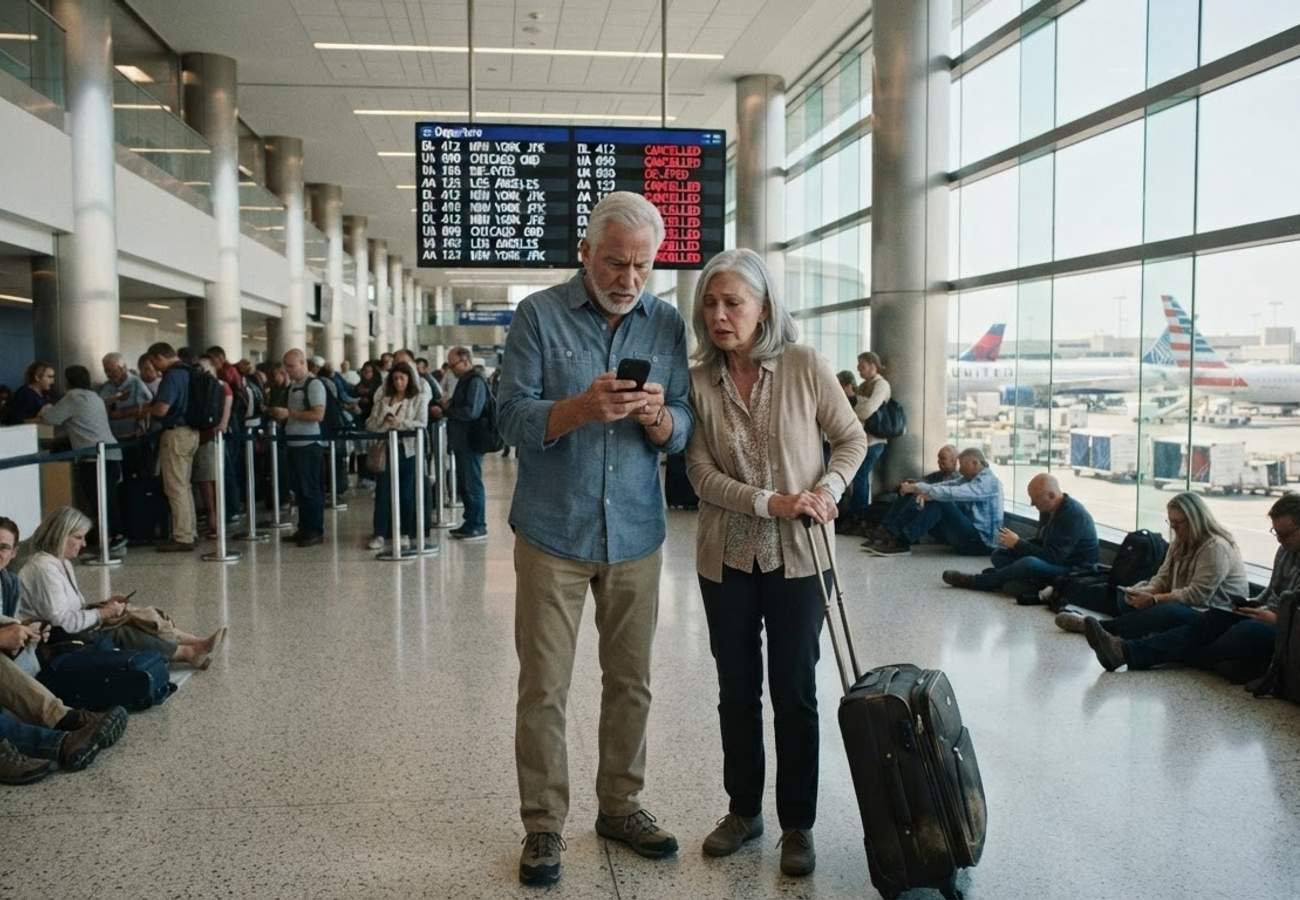
Image generated by AI
Missing a single outbound flight—whether due to a traffic jam or a deliberate attempt to save money—can trigger an automatic cancellation of every remaining leg on your booking, including your journey home.
The Local Trend Revealed: The Rise of the "No-Show" Crackdown
A growing number of travelers are discovering a harsh reality hidden within the fine print of airline contracts: the Sequential Use Rule. This policy dictates that all flight segments must be used in the exact order they are listed on the itinerary. If a passenger fails to board the first flight, the airline treats the remaining segments as void.
While this is often an accidental casualty of unforeseen circumstances, the trend is being driven by airlines aggressively targeting "skiplagging," also known as hidden city ticketing. This practice involves booking a flight with a layover in a city where the traveler actually intends to end their journey, simply because that route is cheaper than a direct flight to the layover city.
For example, a traveler wanting to go from Los Angeles to Chicago might find a direct flight costs $400, but a flight from Los Angeles to New York with a layover in Chicago costs only $300. By booking the latter and exiting in Chicago, they save $100. However, airlines view this as a breach of the Contract of Carriage. American Airlines has explicitly stated that this practice creates operational issues with checked baggage and prevents other passengers from booking seats they urgently need.
Cultural & Environmental Value: The Impact on Airline Ecosystems
The enforcement of the Sequential Use Rule is not merely about corporate greed; it is tied to the operational efficiency of global aviation. When a passenger "skiplags," they create a "ghost seat" on the final leg of the journey. This disrupts load factor calculations and can lead to unnecessary fuel burn if aircraft are routed based on inaccurate passenger counts.
From a community perspective, the crackdown encourages more transparent booking behaviors. When passengers use tickets as intended, airlines can better manage capacity, reducing the likelihood of overbooking and the subsequent chaos of bumped passengers. By adhering to official ticketing routes, travelers support the economic stability of the regional hubs and airports that rely on consistent passenger flow.
Visitor Insider Tips: Navigating Airline Policies
To avoid the nightmare of a cancelled return ticket, travelers should adopt these strategic habits:
- The "Call Immediately" Rule: If you miss your first leg due to traffic or an emergency, call the airline before your scheduled departure time. Even if you cannot make the flight, notifying the carrier that you still intend to use the return portion of your ticket can sometimes prevent the automatic "no-show" cancellation.
- Carry-On Only: Never check a bag if you are attempting a non-traditional itinerary. Checked luggage is almost always routed to the final ticketed destination, regardless of where you exit the airport.
- Separate Bookings: For high-risk itineraries or when visiting multiple cities, consider booking "multi-city" tickets or separate one-way fares. While occasionally more expensive, this isolates each leg, meaning a missed flight on Monday won't cancel your flight on Friday.
- Review the Contract of Carriage: Before booking with a new carrier, search their website for the "Contract of Carriage." Look specifically for the "Sequential Use" or "No-Show" sections to understand the specific penalties associated with that airline.
Tourism Outlook: The Risk vs. Reward of Budget Hacks
As airline pricing becomes more volatile in 2026, the temptation to use hidden-city ticketing remains high. However, the data suggests the risks are mounting. A survey by Passport Photo Online highlights the tangible consequences for those who frequently engage in skiplagging.
Consequences of Skiplagging and Sequential Use Violations
| Penalty Type | Percentage of Affected Users |
|---|---|
| Revocation of frequent flyer points or status | 22.89% |
| Additional fees charged to account | 19.1% |
| Official warning from the airline | 15.18% |
| Ban or suspension from the airline | 10.08% |
The long-term impact is a shift toward more rigid enforcement. While a first-time accidental miss is often forgiven, repeat offenders are increasingly finding themselves on internal "no-fly" lists. For the modern nomad, the financial savings of a "hidden city" ticket are often negated by the cost of a last-minute replacement flight home or the loss of hard-earned loyalty status.
The safest route home is always the one that follows the ticket.
Related Travel Guides
Disclaimer
This article is for informational and educational purposes only. It does not constitute legal, financial, or professional advice. While we strive to provide accurate and up-to-date information, travel policies, regulations, and conditions change rapidly. Always verify information with official sources before making travel decisions. Nomad Lawyer makes no representations about the accuracy, reliability, completeness, or suitability of the information provided. Readers should consult qualified professionals for advice specific to their circumstances. The views expressed in this article are those of the author and do not necessarily reflect the views of Nomad Lawyer.
Raushan Kumar
Founder & Lead Developer
Full-stack developer with 11+ years of experience and a passionate traveller. Raushan built Nomad Lawyer from the ground up with a vision to create the best travel and law experience on the web.
Learn more about our team →