
Tourism Ireland Launches Taste of Ireland Campaign in Glasgow
Tourism Ireland hosts the Taste of Ireland trade event in Glasgow, targeting Scottish travel operators to expand MICE and culinary tourism.
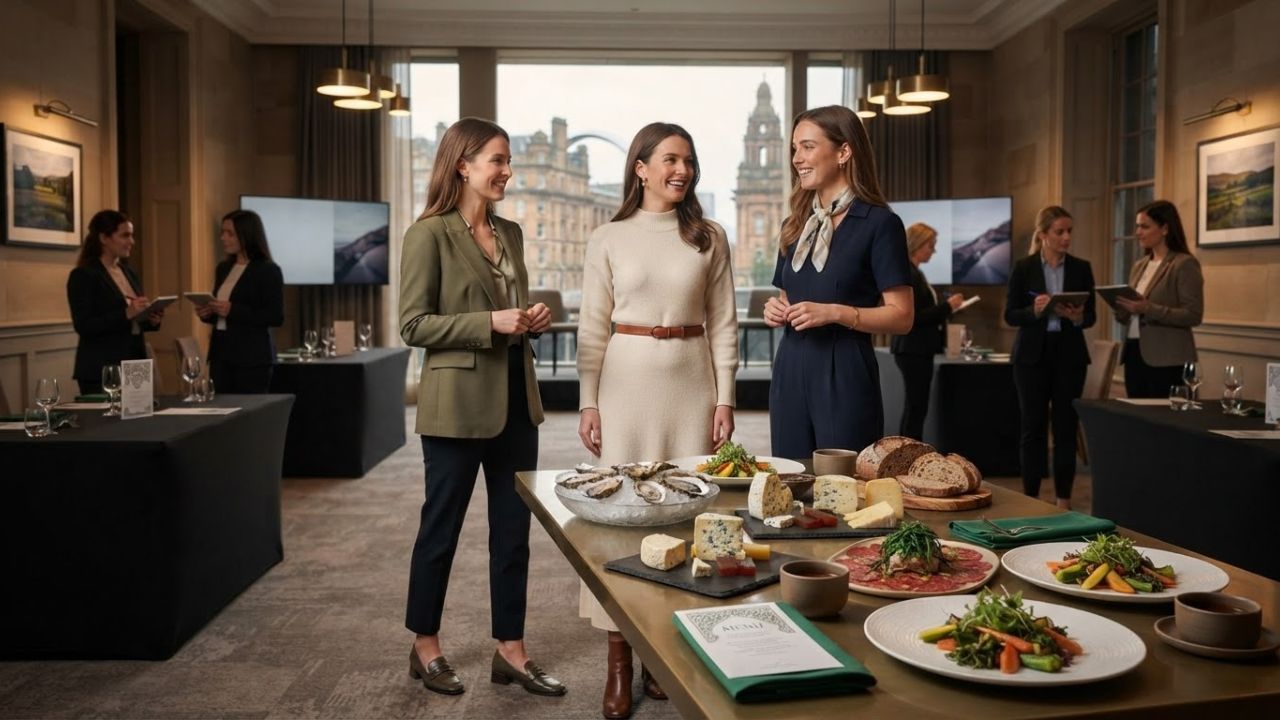
Image generated by AI
Targeting travel operators in the high-potential Scottish market to expand regional visitor numbers, Tourism Ireland has launched the Taste of Ireland trade campaign in Glasgow.
The strategic B2B networking event brought together seven key Irish tourism operators and 33 leading Scottish travel agents to establish partnerships and build new vacation packages. Firmly rooted in the growth of culinary, event, and MICE (Meetings, Incentives, Conferences, and Exhibitions) tourism, the campaign marks a transition from broad consumer advertising toward targeted business-to-business engagement. By promoting the country's culinary heritage alongside modern corporate event infrastructure, tourism planners aim to diversify income streams, reduce seasonal travel drops, and increase visitor arrivals throughout the year.
The Local Trend Revealed: B2B Cultivation and Niche Tourism Segments
The launch of the Taste of Ireland campaign in Glasgow highlights a shifting trend in destination marketing where national tourism boards prioritize specialized travel sectors over mass-market promotions. Rather than focusing solely on general leisure travel, campaigns are structured to target corporate meeting planners, incentive travel coordinators, and culinary tour operators. This refined focus helps maximize marketing resources by directing activities toward segments that generate higher average spending per visitor and longer stays.
The trade campaign is managed by Tourism Ireland, the agency responsible for marketing the island of Ireland overseas as a leading vacation destination. The initiative focuses on building professional relationships between local service providers—such as boutique hotels, transport companies, and cultural attractions—and international distribution networks. According to hospitality updates from the Irish Hotels Federation (IHF), expanding corporate MICE travel is essential to supporting year-round hotel occupancy, protecting service-sector jobs, and encouraging economic growth across both urban and rural districts.
Business Development and Campaign Targets
The B2B campaign is built around clear commercial goals for 2026, focusing on expanding opportunities for small and medium-sized tourism enterprises.
The following table summarizes the key target metrics, participant numbers, and financial goals established under the 2026 tourism campaign:
| Campaign Parameter | Target Metric Value | System Integration Role | Primary Local Economic Benefit |
|---|---|---|---|
| B2B Meetings Facilitated | 35,000 commercial meetings | Professional networking index | Connects local suppliers with global booking networks |
| Travel Trade Pipeline | €300 million valuation | Long-term revenue projection | Funds regional tourism investments and jobs |
| SME Promotional Slots | Over 1,000 opportunities | Small business support index | Increases global visibility for independent operators |
| Irish Operator Cohort | 7 specialized businesses | Participant representative count | Showcases regional culinary and accommodation assets |
| Scottish Agent Cohort | 33 leading travel agents | Distribution channel index | Expands retail travel bookings for Irish packages |
These targets reflect the transition toward structured trade meetings to drive high-yield corporate and leisure bookings.
Culinary and MICE Tourism Integration
The focus on culinary tourism is designed to appeal to travelers who seek food-focused travel, craft beverage trails, and traditional cooking workshops. Highlighting regional food production and farm-to-table dining allows tourism planners to showcase local heritage as a premium travel asset. This culinary branding is integrated with MICE tourism promotions, positioning the country as an attractive destination for corporate conferences, team-building retreats, and professional incentive trips.
For travel agents, B2B events provide the training and local contacts needed to build high-quality itineraries. By understanding local suppliers and accommodation networks, agents can offer clients more customized options. This professional integration helps establish a stable visitor flow, protecting regional transport companies, tour guides, and cultural venues from seasonal demand drops.
Community Stewardship and Supporting Sustainable Gastronomy
For the visitor, the real impact is the opportunity to practice environmental and community stewardship by choosing travel operators that support regional agricultural producers and sustainable dining. Choosing restaurants that source ingredients from local organic farms, booking tours that highlight traditional food preservation methods, and staying in hotels that partner with regional suppliers keeps tourism spend within the local economy.
Direct support of these community supply chains helps preserve traditional farming and fishing practices, which is essential to protecting the cultural identity of the destination. Travelers are encouraged to utilize public transit corridors, support regional heritage events, and purchase artisanal goods directly from independent makers. This sustainable focus ensures that tourism growth remains aligned with environmental conservation goals and community well-being.
Travel Trade Engagement and Dining Tips for Visitors
Travelers and trade partners planning regional culinary trips can optimize their itineraries using these recommendations:
- Coordinating with Registered Agents: Work with travel advisors who have attended official Tourism Ireland trade sessions to access custom culinary itineraries and corporate MICE packages.
- Exploring Regional Food Trails: Plan visits around established food routes, such as the Wild Atlantic Way culinary trail, to sample artisanal cheeses, fresh seafood, and traditional baking.
- Verifying Conference Venues: When planning corporate retreats, choose venues that implement verified green energy and water conservation programs to align with corporate social responsibility goals.
- Under-the-Radar Spot: Visit the historic English Market in Cork to explore a covered food hall that has served as a center for local merchants and artisanal producers since 1788.
Key Takeaways
- Targeted Campaign: Tourism Ireland has launched the Taste of Ireland B2B trade campaign in Glasgow to connect local operators with Scottish travel agents.
- MICE Integration: The campaign prioritizes culinary, event, and MICE tourism to diversify revenue and reduce seasonal travel drops.
- Clear Targets: The 2026 strategy targets the delivery of 35,000 commercial meetings, supporting over 1,000 SME slots and a €300 million trade pipeline.
- Stewardship Focus: Sustainable sourcing and support for local agricultural cooperatives are emphasized to promote community-based tourism.
FAQ
What are the key goals of the 2026 Tourism Ireland strategy?
The strategy aims to facilitate 35,000 trade meetings, deliver over 1,000 promotional slots for SMEs, and generate a €300 million commercial pipeline.
Why is MICE tourism important for the hospitality sector?
MICE (Meetings, Incentives, Conferences, and Exhibitions) travel generates higher average spending per visitor and supports hotel occupancy during off-peak seasons.
How does culinary tourism benefit local communities?
Culinary tourism encourages travelers to visit regional farms and restaurants, ensuring that visitor spending directly supports local food producers and rural families.
Related Travel Guides
Disclaimer
This article is for informational and educational purposes only. It does not constitute legal, financial, or professional advice. While we strive to provide accurate and up-to-date information, travel policies, regulations, and conditions change rapidly. Always verify information with official sources before making travel decisions. Nomad Lawyer makes no representations about the accuracy, reliability, completeness, or suitability of the information provided. Readers should consult qualified professionals for advice specific to their circumstances. The views expressed in this article are those of the author and do not necessarily reflect the views of Nomad Lawyer.