
Tasmania Approves Planning for 32km Derwent Valley Rail Trail Connecting Maydena to Hayes in 2026
The Derwent Valley Council has unanimously approved the planning phase for a 32km multi-use rail trail from Maydena to Hayes to boost regional tourism.

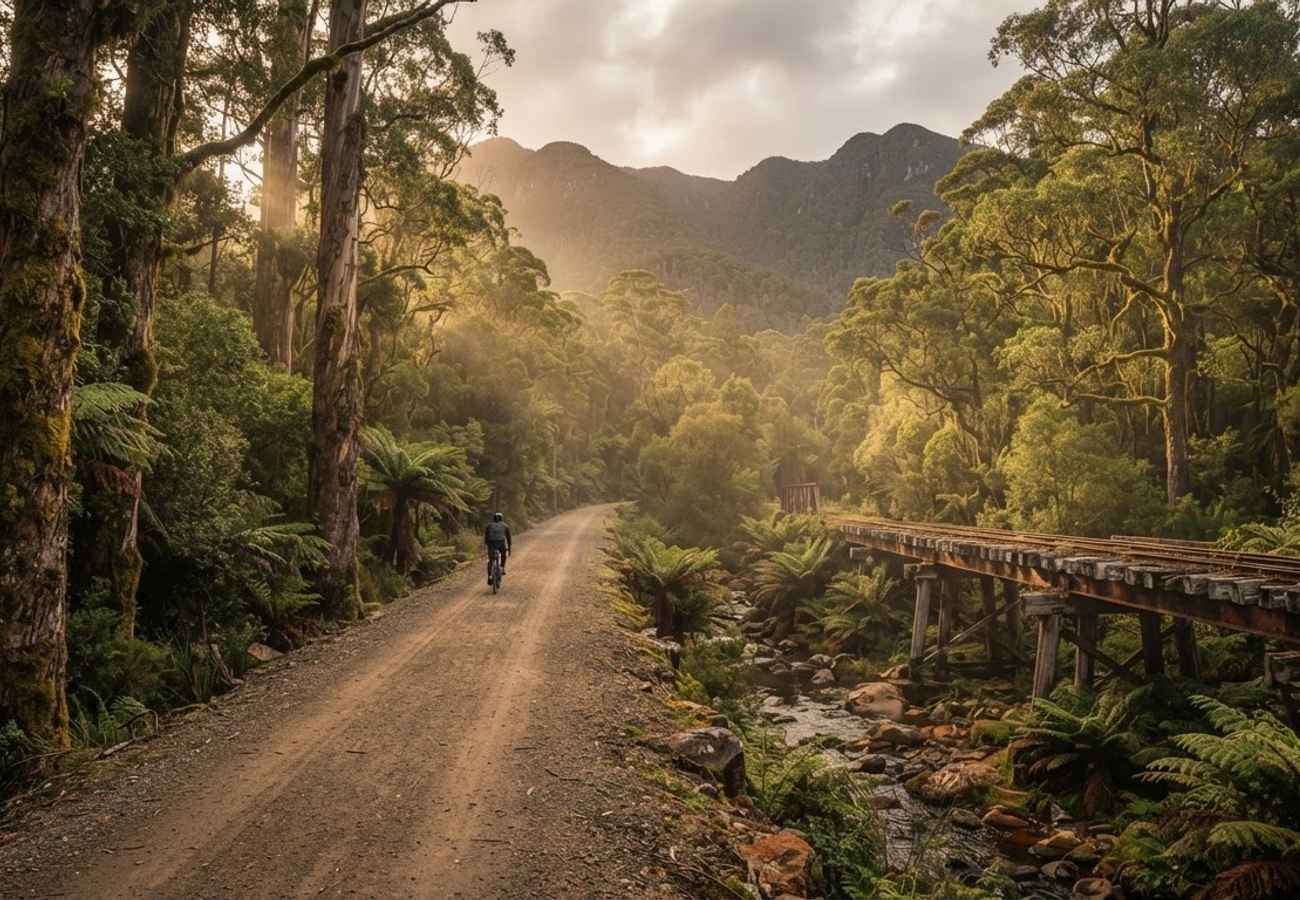
Image generated by AI
The Derwent Valley Council has unanimously approved the advancement of a 32km multi-use rail trail from Maydena to Hayes, following a feasibility study that confirms the project is achievable.
Derwent Valley Rail Trail Planning Phase
The Derwent Valley Council has officially moved the proposed rail trail project into a new planning stage. This decision follows a detailed feasibility study confirming that converting the former rail corridor into a multi-use path for cyclists and pedestrians is viable.
While the council has voted in favor of the first-stage concept design, it is important to note that this approval does not commit immediate construction funding or final budget allocations. The project serves as a strategic move to transform unused railway infrastructure into a public recreation asset, aligning with the Upper Derwent Valley Precinct Plan finalized in April 2026.
A primary component of the upcoming phase involves negotiating the transfer of the railway corridor from TasRail's network control. Council officials are currently exploring options under the Strategic Infrastructure Corridors Act 2016 to facilitate this transition while balancing railway heritage with community utility.
Route Specifications and Development Stages
The project is structured into three distinct stages, varying in design readiness and technical complexity.
| Stage | Route Section | Distance | Status / Key Focus | Estimated Cost / Challenge |
|---|---|---|---|---|
| Stage 1 | Maydena to National Park | 12.4 km | Detailed reference design completed | >$12 million |
| Stage 2 | National Park to Westerway | Variable | Community connectivity & school links | Focus on Glenora/Westerway |
| Stage 3 | Glenora to Hayes | Variable | High-complexity planning | Unsafe bridges & road crossings |
Stage 1: The Tourism Anchor
The most advanced segment, Stage 1, aims to create a direct link between the Maydena Mountain Bike Park and Mount Field. With a detailed design already in place and an estimated cost exceeding $12 million, this section is positioned to be the primary driver for outdoor tourism in the region.
Stage 2: Community Integration
The second stage shifts focus toward local utility. The feasibility study emphasizes the sections around Glenora and Westerway, aiming to link two local schools and provide residents with improved recreational access.
Stage 3: Technical Infrastructure Challenges
The final leg from Glenora to Hayes is identified as the most difficult. Planners must address critical safety issues, including unstable railway bridges and complex road crossing requirements, before construction can be considered.
Traveler Logistics Guide
From a ground-level perspective, the best way to navigate this development is to treat the rail trail as a future addition to an existing itinerary rather than a current destination. Since the trail is not yet operational, visitors should focus on the existing hubs of Maydena and Mount Field.
Booking and Access Advice:
- Current Status: There are no booking systems or trail access permits available as construction has not commenced.
- Optimal Connection: For those visiting Maydena Mountain Bike Park, ensure your transport allows for "point-to-point" travel, as the eventual rail trail will likely facilitate one-way transit between Maydena and the National Park.
- Digital Transit: Travelers should monitor the Derwent Valley Council’s official portals for updates on "Digi-Trail" maps or electronic permits that may be implemented upon the opening of Stage 1.
Infrastructure and Economic Impact Assessment
The conversion of the rail corridor is expected to shift the economic profile of the Upper Derwent Valley. By diversifying Tasmania's nature-based tourism, the trail is projected to increase the average length of stay for visitors.
The primary economic benefits include:
- Hospitality Growth: Increased demand for boutique accommodation and hospitality services in smaller townships like Westerway and Glenora.
- Inter-modal Connectivity: The potential for future extensions to connect Hayes with the proposed Peppermint Peak Trail near New Norfolk, creating a comprehensive regional network.
- Asset Repurposing: Utilizing the Strategic Infrastructure Corridors Act 2016 to turn a dormant industrial asset into a revenue-generating tourism product.
The transition from rail to trail marks a strategic pivot toward sustainable, slow-travel tourism in Tasmania's interior.
Related Travel Guides
Disclaimer
This article is for informational and educational purposes only. It does not constitute legal, financial, or professional advice. While we strive to provide accurate and up-to-date information, travel policies, regulations, and conditions change rapidly. Always verify information with official sources before making travel decisions. Nomad Lawyer makes no representations about the accuracy, reliability, completeness, or suitability of the information provided. Readers should consult qualified professionals for advice specific to their circumstances. The views expressed in this article are those of the author and do not necessarily reflect the views of Nomad Lawyer.
Preeti Gunjan
Contributor & Community Manager
A passionate traveller and community builder. Preeti helps grow the Nomad Lawyer community, fostering engagement and bringing the reader experience to life.
Learn more about our team →