
Travel Report: Religious Tourism Accelerates as Sacred Sites Draw Millions
Faith-based travel emerges as a major segment of global tourism, drawing 400 million annual visitors to destinations like Guadalupe and Aparecida.

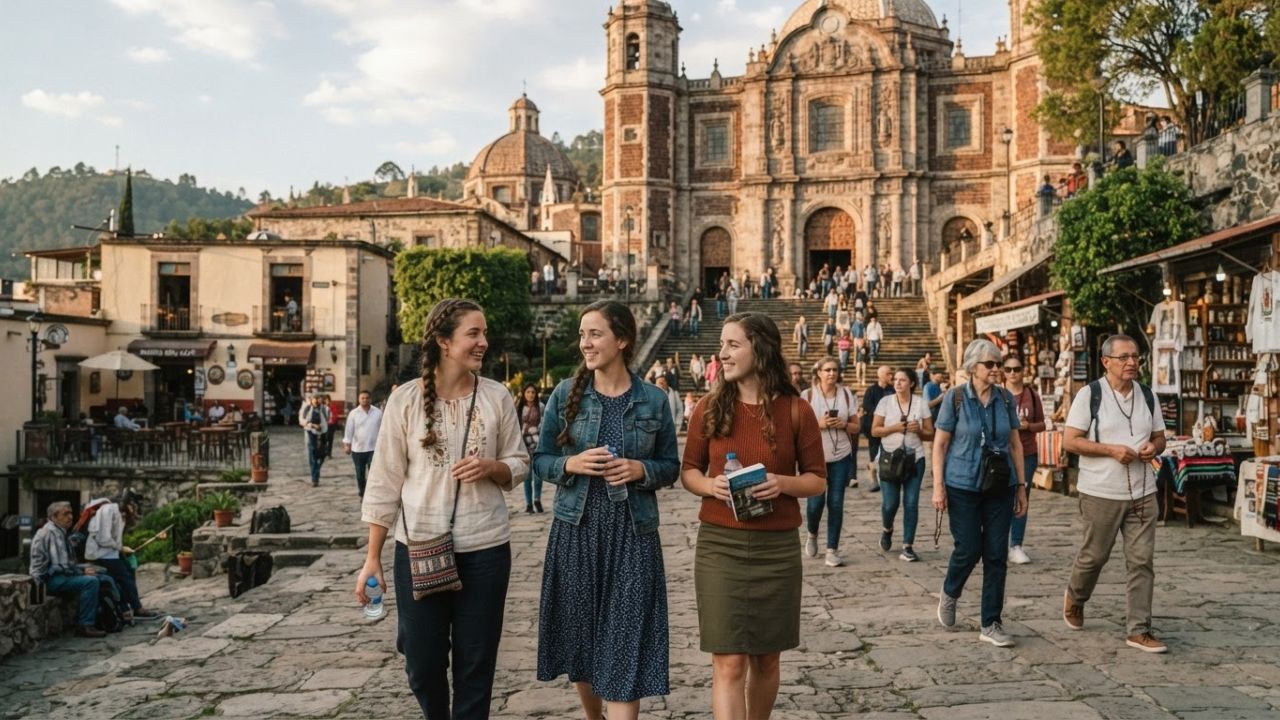
Image generated by AI
Faith-based travel emerges as a major segment of global tourism, drawing 400 million annual visitors to destinations like Guadalupe and Aparecida. UN Tourism indicates that sacred journeys coordinate local economies, supporting a transition toward managed crowd preservation models in historical cities.
The Transition of Devotional Pilgrimages to Cultural Heritage Travel
A notable trend in global tourism planning is the transition of traditional devotional pilgrimages into cultural heritage travel. Historically, regional tourism boards managed sacred sites on the assumption that only active faith-practitioners traveled to shrines, leaving surrounding communities quiet outside of prayer hours and overlooking opportunities to promote regional architecture, local gastronomy, and historic walking routes. In 2026, the rise of experiential travel encourages a broader demographic of cultural tourists to follow ancient pilgrimage paths like the Camino de Santiago, combining personal reflection with historical learning, nature exploration, and direct support for rural communities along the route.
By coordinating route infrastructure with local business chambers, municipal departments distribute traveler spending. This community-focused model coordinates support for regional lodging operators, traditional craft artisans, and neighborhood dining spaces.
Global Sacred Sites and Sourcing Parameters
Workforce and visitor monitoring data outline the scale of global faith-based travel:
- Global Volume: Approximately 400 million people travel to faith-based destinations annually (according to the World Religious Tourism Network).
- Guadalupe Shrine: The Basilica of Our Lady of Guadalupe in Mexico City attracts nearly 22 million visitors annually, serving as a primary cultural tourism contributor for Mexico.
- Aparecida Shrine: The National Shrine of Our Lady of Aparecida in Brazil welcomes approximately 12 million pilgrims every year.
- Chilean Festivals: The La Tirana pilgrimage festival in northern Chile draws hundreds of thousands of visitors to a town with a very small permanent population.
- Historic Routes: The Camino de Santiago in Spain remains the model for route-based slow travel, connecting walking trails with regional villages and heritage structures.
- Core Hubs: Major international centers include Vatican City and Rome in Europe, alongside major shrines across Latin America.
The Vatican has emphasized the importance of welcoming visitors while protecting the sacred nature of religious destinations.
Faith Tourism Sourcing and Regional Coordinates
The table below breaks down the project sectors, specific sacred sites, annual visitor volumes, regional impacts, core attractions, and coordinating authorities recorded on August 25, 2026:
| Core Project Sector | Specific Sacred Site | Annual Visitor Volume | Regional Impact | Core Attraction | Coordinating Authority |
|---|---|---|---|---|---|
| Religious tourism | Basilica of Guadalupe | Nearly 22 million | Hotel and dining spend | Historical architecture | SECTUR Mexico Board |
| Cultural preservation | Aparecida National Shrine | Approx. 12 million | Infrastructure upgrades | Catholic pilgrimage center | Archdiocese of Aparecida |
| Festival management | La Tirana Plaza | Hundreds of thousands | Temporary retail sales | Regional dance festival | Tarapacá Regional Office |
| Slower travel routes | Camino de Santiago | Tens of millions | Village hostel revenue | 738-km French Way walk | Spain Tourism Ministry |
These coordinates outline the sectors, locations, volumes, impacts, attractions, and authorities established for global religious travel programs.
Resource Stewardship and Eco-Aware Pilgrimage Practices
For the pilgrim, the benefit of choosing walking or cycling routes rather than motorized tour coaches is the reduction in carbon footprint across vulnerable rural communities. Using mobile apps for route maps and digital passports avoids paper guide printing.
Additionally, buying traditional crafts and souvenirs directly from local artisans coordinates support for regional heritage. Following waste management guidelines at crowded shrines coordinates the preservation of historic environments.
For comparison, you can explore the changing dynamics of the Travel Report: Aparecida Religious Tourism Draws Millions of Global Pilgrims to see how large-scale visitor flows affect municipal planning. For community updates, comparing county celebrations matches other networks, such as Travel Guide: Woodbury Days Festival Returns to Ojibway Park This August updates. This trend is similar to the tourism growth seen in other destinations, as detailed in our guide on the Nebraska State Fair Returns to Grand Island for Summer 2026 regulations.
Pilgrimage Insider Tips: Planning a Sacred Journey
If you are planning to visit major global shrines or pilgrimage routes, keep these practical tips in mind:
- Visit Shrines Off-Peak: Tour major basilicas like Guadalupe in Mexico City during early morning hours on weekdays to enjoy a quiet, contemplative atmosphere.
- Support Local Guesthouses: Book lodging in small, family-owned guesthouses along walking routes to contribute directly to the local economy.
- Respect Sacred Etiquette: Follow local dress codes and maintain a quiet, respectful presence inside sanctuaries, turning off mobile phone ringers.
- Prepare for Slower Travel: When walking historic routes, pack lightweight gear, carry reusable water containers, and pace your daily travel distances.
- Check Festival Calendars: Monitor regional holiday schedules, as major celebrations can lead to crowded public transit and fully booked hotels.
Long-Term Outlook for Global Religious Tourism
The long-term outlook for transit is focused on building electric rail connections between airports and major shrines, installing solar panels on visitor centers to lower municipal energy costs, and designing eco-friendly walking paths to protect surrounding ecosystems from erosion. As global interest in slow travel continues to expand, national tourism ministries and local church councils will cooperate to maintain passenger standards.
By developing sustainable transit options and protecting regional resources, the transport sector aims to build a sustainable transport network.
FAQ
How many people participate in religious tourism globally?
According to the World Religious Tourism Network, approximately 400 million people travel to faith-based destinations every year.
How many pilgrims visit the Basilica of Our Lady of Guadalupe annually?
The Basilica in Mexico City attracts nearly 22 million visitors each year, making it one of the most visited shrines in the world.
How many visitors travel to Brazil's Aparecida Shrine?
The National Shrine of Our Lady of Aparecida welcomes approximately 12 million pilgrims annually.
What challenges do popular pilgrimage destinations face?
Sacred sites often experience overcrowding, waste management strains, and environmental pressure, requiring sustainable crowd management strategies.
Stay updated on regional travel regulations and conservation campaigns shaping global transit.
Related Travel Guides
Disclaimer
This article is for informational and educational purposes only. It does not constitute legal, financial, or professional advice. While we strive to provide accurate and up-to-date information, travel policies, regulations, and conditions change rapidly. Always verify information with official sources before making travel decisions. Nomad Lawyer makes no representations about the accuracy, reliability, completeness, or suitability of the information provided. Readers should consult qualified professionals for advice specific to their circumstances. The views expressed in this article are those of the author and do not necessarily reflect the views of Nomad Lawyer.
Raushan Kumar
Founder & Lead Developer
Full-stack developer with 11+ years of experience and a passionate traveller. Raushan built Nomad Lawyer from the ground up with a vision to create the best travel and law experience on the web.
Learn more about our team →